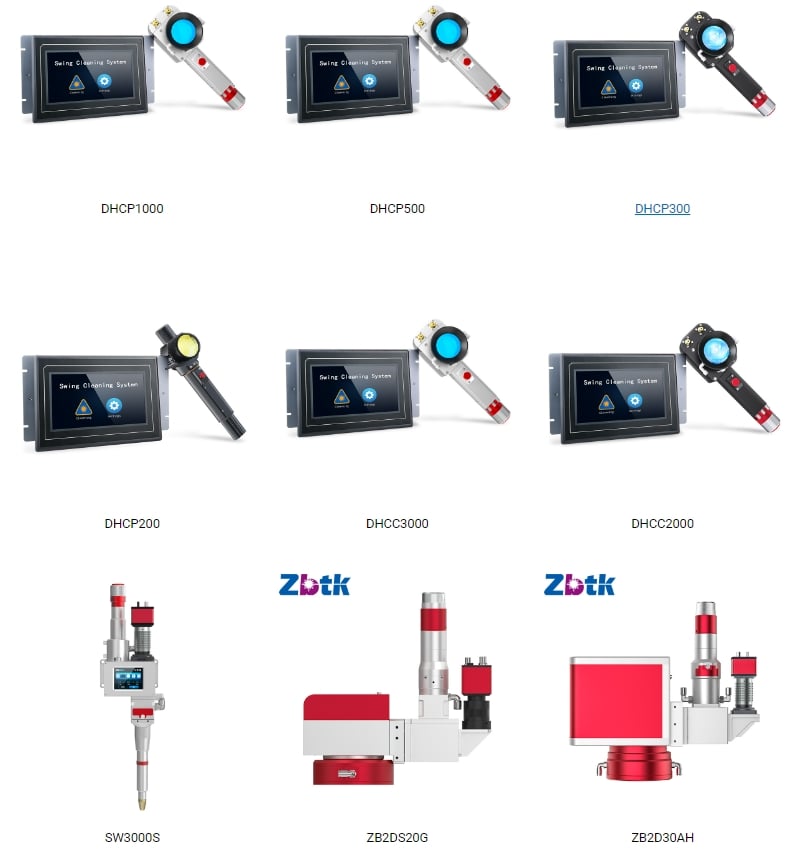
غالبًا ما تُشكِّل المنشآت الصناعية سيناريوهات تنظيفٍ صعبةً، حيث تفشل الطرق التقليدية في التعامل معها، لا سيما في المساحات المغلقة والهندسات المعقدة والمناطق التي يصعب الوصول إليها. وتبرز الآلة المحمولة كحلٍّ مثاليٍّ لهذه البيئات الصعبة، إذ تجمع بين الدقة والتنقُّلية وقدرات التنظيف القوية في تصميمٍ مدمج. تنظيف بالليزر وعلى عكس معدات التنظيف التقليدية الكبيرة الحجم، فإن هذه الأجهزة المبتكرة توفر وصولاً غير مسبوقٍ إلى المساحات الضيِّقة، مع تحقيق نتائج متسقة وعالية الجودة عبر تطبيقات صناعية متنوعة.
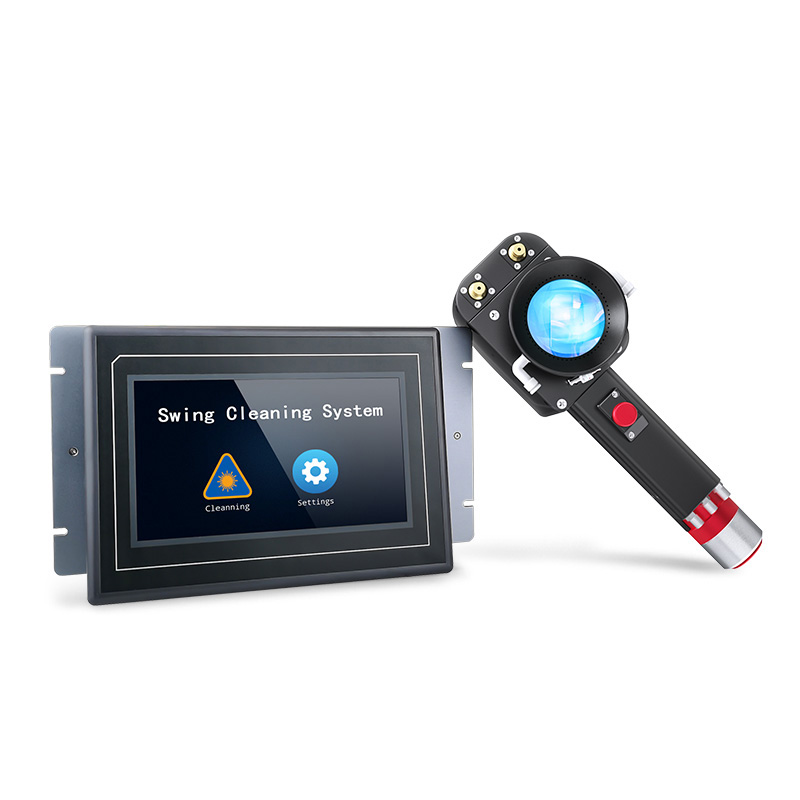
المزايا الفريدة للآلة المحمولة آلة تنظيف بالليزر تصبح أكثر وضوحًا عندما يتعيّن على المشغّلين التنقّل في بيئات صناعية معقّدة، حيث تتداخل قيود المساحة وتحديات الوصول ومتطلبات الدقة. وتُحدث هذه الأنظمة المحمولة ثورةً في سير أعمال الصيانة من خلال إزالة القيود التي تفرضها طرق التنظيف التقليدية، مع الحفاظ على قوة التنظيف اللازمة لإزالة الملوثات بكفاءة في البيئات الصناعية.
يُعالج التصميم الإرجونومي لآلة التنظيف بالليزر المحمولة يدويًّا بشكل مباشر التحديات الجسدية المرتبطة بالعمل في المساحات الصناعية الضيقة. وعادةً ما تتراوح أوزان هذه الوحدات بين ١٫٥ و٣ كيلوغرامات، مما يسمح للعاملين بالتنقُّل عبر الممرات الضيقة، والالتفاف حول الآلات المعقدة، والوصول إلى الأجزاء المغلقة التي لا يمكن لمعدات التنظيف التقليدية الوصول إليها. ويجعل الحجم المدمج لهذه الأجهزة من الممكن الوصول إلى مناطق كانت تتطلب سابقًا تفكيك المعدات أو استخدام سقالات متخصصة.
وتضم الطرازات المتقدمة المحمولة يدويًّا توزيع وزن متوازن وتصاميم مقابض مريحة تقلِّل من إرهاق العامل أثناء جلسات التنظيف الطويلة. ويكتسب هذا الاعتبار الإرجونومي أهميةً بالغة عند العمل في وضعيات غير مريحة أو في التطبيقات العلوية الشائعة في السيناريوهات التي تتضمَّن مساحات ضيقة. كما أن خفة وزن هذه الأجهزة تسمح باستخدامها من قِبل عامل واحد فقط، ما يقلِّل تكاليف العمالة وزمن الإعداد بشكل كبير مقارنةً بأنظمة التنظيف الصناعي الثقيلة.
تتجاوز ميزة القابلية للمناورة الاعتبارات البسيطة المتعلقة بالوزن. فتتميز آلة التنظيف بالليزر المحمولة جيد التصميم بأنظمة مرنة لإدارة الكابلات ورؤوس ليزر مدمجة تتيح التنقل بسهولة حول العوائق والأنابيب والعناصر الإنشائية دون المساس بفعالية عملية التنظيف. ويُمكّن هذا النهج التصميمي من تغطية شاملة للتنظيف في المساحات التي تتطلب فيها الطرق التقليدية إزالة جزئية للمعدات أو إجراء أعمال تحضيرية موسعة.
غالبًا ما تحتوي المنشآت الصناعية على أشكال هندسية معقدة تشمل الأسطح المنحنية والمكونات المائلة والأشكال غير المنتظمة، والتي تشكل تحديًّا للأساليب التقليدية في التنظيف. وتتفوق آلة التنظيف بالليزر المحمولة في هذه البيئات بفضل قدرتها على الحفاظ على زوايا ومسافات تنظيف متسقة عبر مختلف تعرجات السطح. ويمكن للمُشغِّل تعديل وضعه ديناميكيًّا لضمان التفاعل الأمثل لحزمة الليزر مع الأسطح المستهدفة بغض النظر عن درجة التعقيد الهندسي.
تتيح أنظمة التشغيل اليدوية التحكم الدقيق الذي يمكّن المشغلين من اتباع الملامح السطحية المعقدة مع الحفاظ على المسافة المناسبة بين الجهاز والسطح المطلوب تنظيفه، وهي مسافة ضرورية لتحقيق فعالية التنظيف. وتكتسب هذه القدرة أهميةً بالغة عند تنظيف الوصلات الملحومة والمكونات الآلية والتجميعات المصنعة، حيث تتفاوت إمكانية الوصول إلى السطح تفاوتًا كبيرًا داخل مساحات صغيرة جدًّا. وغالبًا ما تواجه الطرق التقليدية للتنظيف صعوباتٍ في التعامل مع هذا التنوّع الهندسي، مما يؤدي إلى نتائج غير متسقة أو إزالة غير كاملة للملوثات.
وعلاوةً على ذلك، فإن إمكانية ضبط معايير الليزر في الوقت الفعلي تُمكّن المشغلين من تعديل شدة وتركيز عملية التنظيف استنادًا إلى الظروف السطحية الفورية. وتكتسب هذه المرونة أهميةً خاصةً في المساحات الضيقة، حيث قد تختلف متطلبات تحضير السطح بسبب اختلاف ظروف التعرّض أو مستويات التلوث أو خصائص المواد الموجودة ضمن منطقة تنظيف محدودة.
تتيح الدقة التي يوفرها جهاز التنظيف بالليزر المحمول إزالة الملوثات بشكل انتقائي دون التأثير على مواد الركيزة الكامنة. ويكتسب هذا النهج الخاضع للتحكم أهميةً بالغةً في المساحات الضيقة، حيث تتطلب المكونات المحيطة أو الطبقات الواقية أو المعدات الحساسة حمايةً من عمليات التنظيف. ويسمح شعاع الليزر المركّز للمُشغِّلين باستهداف المناطق الملوثة تحديدًا مع ترك الأسطح المجاورة سليمةً وغير مُعطَّلة، وهي درجة من الانتقائية لا يمكن تحقيقها باستخدام طرق التنظيف التقليدية.
تتضمن أنظمة اليد المتقدمة آليات تغذية راجعة في الوقت الفعلي تراقب تقدم عملية التنظيف وتُعدِّل تلقائيًّا معايير الليزر لمنع الإفراط في المعالجة. وتكتسب هذه السيطرة الذكية أهميةً خاصةً في المساحات المحدودة التي قد تكون فيها إمكانية التفتيش البصري محدودة، مما يضمن نتائج تنظيفٍ متسقة بغض النظر عن قيود وضوح الرؤية لدى المشغل. ويمتد التحكم الدقيق ليشمل إدارة العمق، ما يسمح للمشغلين بإزالة طبقات التلوث المحددة مع الحفاظ على سلامة المادة الأساسية.
الطبيعة غير اتصل بنا ويؤدي الطابع غير الميكانيكي لعملية تنظيف الليزر إلى القضاء على الإجهاد الميكانيكي الواقع على الأسطح المراد تنظيفها، وهي ميزة بالغة الأهمية عند العمل على مكونات حساسة أو بنى تحتية قديمة في المساحات الضيّقة. وقد تؤدي الطرق التقليدية التآكلية إلى تآكل غير مرغوب فيه أو تلف في المناطق المحدودة التي تتعذّر فيها زوايا وصول الأدوات. آلة تنظيف ليزر محمولة تحافظ على فعالية التنظيف بغض النظر عن زاوية الاقتراب، مما يضمن نتائج متسقة على جميع الأسطح القابلة للوصول.
واحدة من أبرز المزايا التي تتميّز بها تقنية التنظيف بالليزر المحمول في المساحات الضيِّقة هي الحد الأدنى من إنتاج التلوث الثانوي. فعلى عكس المنظفات الكيميائية أو الطرق الكاشطة التي قد تُوسِع انتشار الملوِّثات في المناطق المغلقة، فإن تنظيف الليزر يُبخِّر أو يُحوِّل المواد المستهدفة مباشرةً عند نقطة التطبيق. وتلك الخاصية المتعلقة بالاحتواء تمنع انتقال التلوث إلى الأسطح التي سبق تنظيفها أو إلى المعدات الحساسة المجاورة.
ويُنتج عملية التبخير الخاضعة للرقابة كمّاً ضئيلاً جداً من النواتج الثانوية، والتي تتكون عادةً من جسيمات دقيقة يمكن التقاطها بسهولة باستخدام أنظمة استخلاص محمولة. ويكتسب هذا التقليل من النواتج الثانوية أهميةً بالغة في المساحات الضيِّقة، حيث تشكِّل عمليات احتواء التلوث وإزالته تحديات لوجستية كبيرة. كما أن انخفاض كمية النواتج الثانوية يبسِّط إجراءات التنظيف ويقلِّل من تكاليف التخلُّص منها مقارنةً بالطرق التقليدية للتنظيف.
يَستفيد التحكم البيئي في الأماكن المغلقة بشكل كبير من التشغيل النظيف لأنظمة الليزر اليدوية. ويؤدي غياب بقايا المواد الكيميائية أو وسائط الرمي أو تدفقات النفايات السائلة إلى القضاء على المخاوف المتعلقة بالتلوث المتبادل أو التعرض البيئي في المناطق ذات التهوية المحدودة. وتمكّن هذه الخاصية المتمثلة في التشغيل النظيف من إجراء عمليات التنظيف في البيئات الحساسة، التي تتطلب فيها الطرق التقليدية اتخاذ تدابير احتواء واسعة النطاق أو إيقاف تشغيل المرافق بالكامل.
تنبع الكفاءة التشغيلية لآلة التنظيف بالليزر المحمولة في المساحات الضيقة من قدرتها على النشر السريع ومتطلبات الإعداد الدنيا. فعلى عكس أنظمة التنظيف التقليدية التي قد تتطلب مناطق تجهيز واسعة وتوزيع طاقة ومعدات دعم إضافية، يمكن تشغيل أنظمة الليزر المحمولة خلال دقائق معدودة من وصولها إلى موقع العمل. ويكتسب هذا الميزة في النشر السريع أهميةً حاسمةً في البيئات الصناعية، حيث تكون تكاليف التوقف عن التشغيل مرتفعةً للغاية، كما تكون فترات الوصول محدودةً.
الطبيعة المتكاملة الذاتية لأنظمة التنظيف اليدوية الحديثة تلغي الحاجة إلى بنية تحتية داعمة معقدة، وهي البنية المرتبطة عادةً بعمليات التنظيف الصناعية. ومتطلبات الطاقة متواضعة ويمكن تلبيتها في كثير من الأحيان عبر وصلات كهربائية قياسية، مما يجنب الحاجة إلى أنظمة توزيع طاقة متخصصة. وهذه الاستقلالية من حيث البنية التحتية تتيح إجراء عمليات التنظيف في المناطق النائية ومنصات مرتفعة والأماكن الضيقة التي يكون فيها دعم المعدات التقليدية غير عملي أو مستحيل.
ويُعَدُّ التنقُّل بين مواقع التنظيف داخل البيئات ذات المساحات الضيقة ميزة تشغيلية إضافية. فآلة تنظيف الليزر اليدوية يمكن نقلها بسهولة عبر الممرات الضيقة والصعود بالسلالم والدخول إلى الأماكن المغلقة دون الحاجة إلى تفكيك المعدات أو إعادة تركيبها. وهذه القدرة على التنقُّل تُمكِّن من تنفيذ حملات تنظيف شاملة تتناول عدة مواقع خلال نافذة صيانة واحدة، ما يُحسِّن الكفاءة التشغيلية إلى أقصى حدٍّ ويقلل من التعطيلات التي تلحق بالمنشأة.
تتيح أنظمة التنظيف بالليزر المحمولة تشغيلها من قِبل مشغل واحد فقط، ما يقلل بشكل كبيرٍ من متطلبات العمالة مقارنةً بطرق التنظيف التقليدية التي تتطلب عادةً عددًا من العمال لتشغيل المعدات، ومناولة المواد، ومراقبة السلامة. وفي التطبيقات التي تتم في المساحات الضيقة، تصبح هذه الكفاءة في استخدام العمالة ذات قيمة خاصة، إذ إن المساحات المحدودة غالبًا ما تحدّ من عدد الأشخاص الذين يمكنهم العمل فيها بكفاءة في الوقت نفسه.
متطلبات الموارد لأنظمة التنظيف بالليزر المحمولة ضئيلة جدًّا مقارنةً بالطرق البديلة. فإزالة وسائط التنظيف الاستهلاكية، والعوامل الكيميائية، والمعدات الأمنية الواسعة النطاق يؤدي إلى خفض تكاليف المواد وتبسيط اللوجستيات. وهذه الكفاءة في استخدام الموارد تُظهر فائدتها بشكل خاص في المواقع النائية أو الصعبة الوصول، حيث تمثّل نقل المواد وتخزينها تحديات كبيرة.
يؤدي انخفاض كمية النفايات الثانوية الناتجة عن أنظمة التنظيف بالليزر المحمولة إلى إزالة العديد من التحديات اللوجستية المرتبطة بإزالة النفايات من المساحات الضيقة. وغالبًا ما تُنتج طرق التنظيف التقليدية أحجامًا كبيرة من النفايات التي تتطلب معالجةً دقيقة وتخطيطًا دقيقًا للتخلص منها في البيئات المحدودة. وبما أن التنظيف بالليزر يُنتج نفاياتٍ ضئيلة جدًّا، فإنه يبسِّط تخطيط المشاريع ويقلل من التعقيد التشغيلي الكلي في التطبيقات التي تفتقر إلى المساحة.
تمثل سلامة العمال في الأماكن المغلقة مصدر قلق رئيسي في عمليات الصيانة الصناعية، وتُعالج آلة التنظيف بالليزر المحمولة يدويًّا العديد من التحديات التقليدية المتعلقة بالسلامة من خلال خصائص تشغيلها. ويؤدي التخلّص من عوامل التنظيف الكيميائية إلى إزالة المخاطر المرتبطة بالتعرُّض السام، والمخاطر التنفسية، والتلامس الجلدي في البيئات ذات التهوية السيئة. وبذلك، يقلّل هذا التشغيل الخالي من المواد الكيميائية بشكلٍ كبيرٍ من متطلبات معدات السلامة والاستعدادات اللازمة للاستجابة الطارئة، والتي تُعتبر عادةً ضرورية عند العمل في الأماكن المغلقة.
الطبيعة غير التماسية لعملية التنظيف بالليزر تلغي العديد من المخاطر الميكانيكية المرتبطة بأساليب التنظيف التقليدية. فلم يعد العمال معرَّضين لفرش الدوران، أو معدات الرش عالي الضغط، أو تيارات الرش الكاشطة التي قد تسبب إصابات في الأماكن المغلقة حيث تكون مسارات الهروب محدودة. وتوفر أنظمة الليزر اليدوية، مع دمجها ببروتوكولات السلامة المناسبة، نهجًا تنظيفيًّا آمنًا بطبيعته للتطبيقات في المساحات الضيقة.
تصبح فوائد السلامة الإنجابية (الإرجونومية) ذات أهمية خاصة أثناء عمليات التنظيف الممتدة في المواضع الصعبة. ويقلل التصميم الخفيف الوزن والبناء المتوازن لأنظمة الليزر اليدوية من الإجهاد الجسدي والإصابات الناتجة عن الحركات المتكررة، والتي تُعتبر شائعة عند استخدام أدوات التنظيف التقليدية. وتتيح هذه الميزة الإرجونومية إطالة فترات العمل المنتج دون المساس بسلامة المشغل وراحته في بيئات المساحات المغلقة الصعبة.
تتجاوز الفوائد البيئية لتكنولوجيا التنظيف بالليزر المحمولة في اليد مجرد خفض النفايات لتتضمن اعتبارات أوسع تتعلق بالتأثير البيئي، وهي اعتباراتٌ بالغة الأهمية في العمليات الصناعية. فإزالة عوامل التنظيف الكيميائية يمنع مخاطر تلوث المياه الجوفية، ويُلغي الحاجة إلى إجراءات تخزين وتشغيل هذه المواد الكيميائية التي قد تشكّل تهديدات بيئية في المنشآت الصناعية.
وتُعَد الكفاءة في استهلاك الطاقة ميزةً بيئيةً أخرى لأنظمة التنظيف بالليزر المحمولة في اليد الحديثة. إذ توفر تقنيات الليزر المتقدمة قوة تنظيف عالية باستهلاك كهربائي ضئيل مقارنةً بأنظمة الغسل عالي الضغط التقليدية أو عمليات التنظيف الكيميائية المُسخَّنة. وهذه الكفاءة في استهلاك الطاقة تقلل البصمة الكربونية لعمليات التنظيف، كما تخفض التكاليف التشغيلية، وهي اعتباراتٌ بالغة الأهمية بالنسبة للمنشآت التي تنفذ مبادرات الاستدامة.
تقلل دقة تقنية التنظيف بالليزر من إزالة مادة الركيزة، مما يحافظ على الأصول الصناعية ويقلل الحاجة إلى استبدال المكونات قبل أوانها. ويساهم هذا الجانب المتعلق بترشيد استهلاك المواد في تحقيق الاستدامة البيئية الشاملة، مع إطالة عمر التشغيل للمعدات وتقليل تكاليف الصيانة. كما أن قدرة هذه التقنية على التنظيف دون التسبب في أي تلف سطحي تضمن أن المكونات الصناعية الباهظة الثمن تحتفظ بمواصفاتها التصميمية وخصائص أدائها طوال فترات التشغيل الممتدة.
يُزيل جهاز التنظيف اليدوي بالليزر بشكل فعّال الصدأ والطلاء وطبقات الأكسيد والشحوم والرواسب الكربونية ومختلف الملوثات العضوية وغير العضوية من الأسطح المعدنية في المناطق المحدودة. وتتميّز هذه التقنية بكفاءتها العالية عند استخدامها على الفولاذ والألومنيوم وغيرها من المعادن الصناعية، حيث تحدّ القيود المفروضة من قِبل ضيق المساحة أو التعقيد الهندسي من إمكانية الوصول إليها باستخدام طرق التنظيف التقليدية.
عادةً ما تتطلب آلات تنظيف الليزر المحمولة اتصالاً كهربائيًّا قياسيًّا بجهد ٢٢٠ فولت، وتستهلك طاقةً أقل بكثيرٍ مقارنةً بأنظمة غسل الضغط العالي أو معدات التنظيف المُسخَّنة. وتعمل معظم الوحدات بكفاءة على استهلاك طاقة يتراوح بين ٢–٣ كيلوواط، مما يجعلها مناسبةً للمواقع التي لا تتوفر فيها بنية تحتية صناعية ثقيلة للطاقة أو التي يصعب تركيبها فيها.
تشمل بروتوكولات السلامة الخاصة باستخدام آلات تنظيف الليزر المحمولة في الأماكن المغلقة ارتداء واقيات العين المناسبة، وتوفير تهوية كافية لاستخلاص الأبخرة، والالتزام بتصنيفات سلامة الليزر. أما فوائد السلامة في الأماكن المغلقة فهي تشمل القضاء على مخاطر التعرُّض للمواد الكيميائية والحد من المخاطر الميكانيكية، مع ضرورة توفير تدريبٍ خاصٍّ في مجال سلامة الليزر وتشغيل المعدات بشكلٍ صحيحٍ في البيئات الصعبة.
نعم، تتفوق آلات التنظيف بالليزر المحمولة يدويًا على الأسطح غير المنتظمة بفضل قابليتها للضبط من حيث مسافة العمل والتحكم الفوري في المعايير. ويمكن للمُشغِّلين الحفاظ على أقصى كفاءة في عملية التنظيف عبر ضبط تركيز الليزر وشدته وفقًا لهندسة السطح وظروف التلوث، مما يضمن نتائج متسقة على الأشكال المعقدة والظروف المتغيرة للأسطح التي تُصادَف عادةً في المساحات الصناعية المحدودة.
 الأخبار الساخنة
2026-04-02
2026-04-09
2026-04-08
2026-04-06
2026-04-02
2026-03-31

الدور السادس، المبنى ب، مبنى تكنولوجيا وانهه، رقم 7 شارع هويتونغ، منطقة غوانغمينغ، شنتشن، مقاطعة قوانغدونغ
حقوق الطبع والنشر © 2026 شنتشن Zbtk للتكنولوجيا المحدودة. سياسة الخصوصية
 EN
EN
![ماسحة جالفو عالية الدقة بقطر ١٤ مم، الموديل ZB2D14AW-III-Max-[FB]](https://shopcdnalpha.grainajz.com/1455/upload/product/f00087390108d038db84295e4308f6f767f2f36a20d8a894683aefa94253901e.jpg)
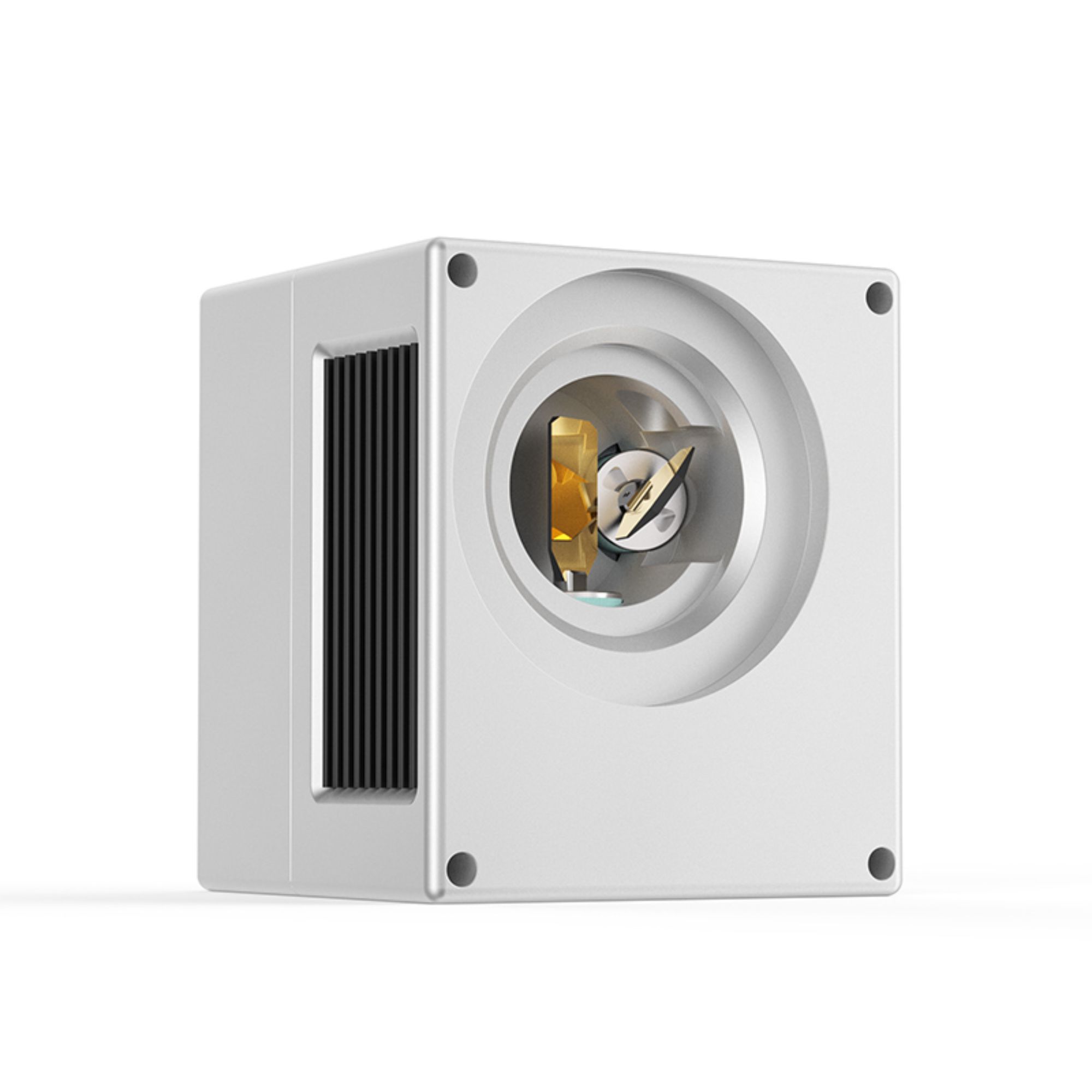
![ماسحة جالفو عالية الدقة بقطر ٢٠ مم، الموديل ZB2DS20G-Pro-[FB]](https://shopcdnalpha.grainajz.com/category/72164/1455/29bba847cc80abbe244000235fc4cdcd/1.jpg)