 EN
EN
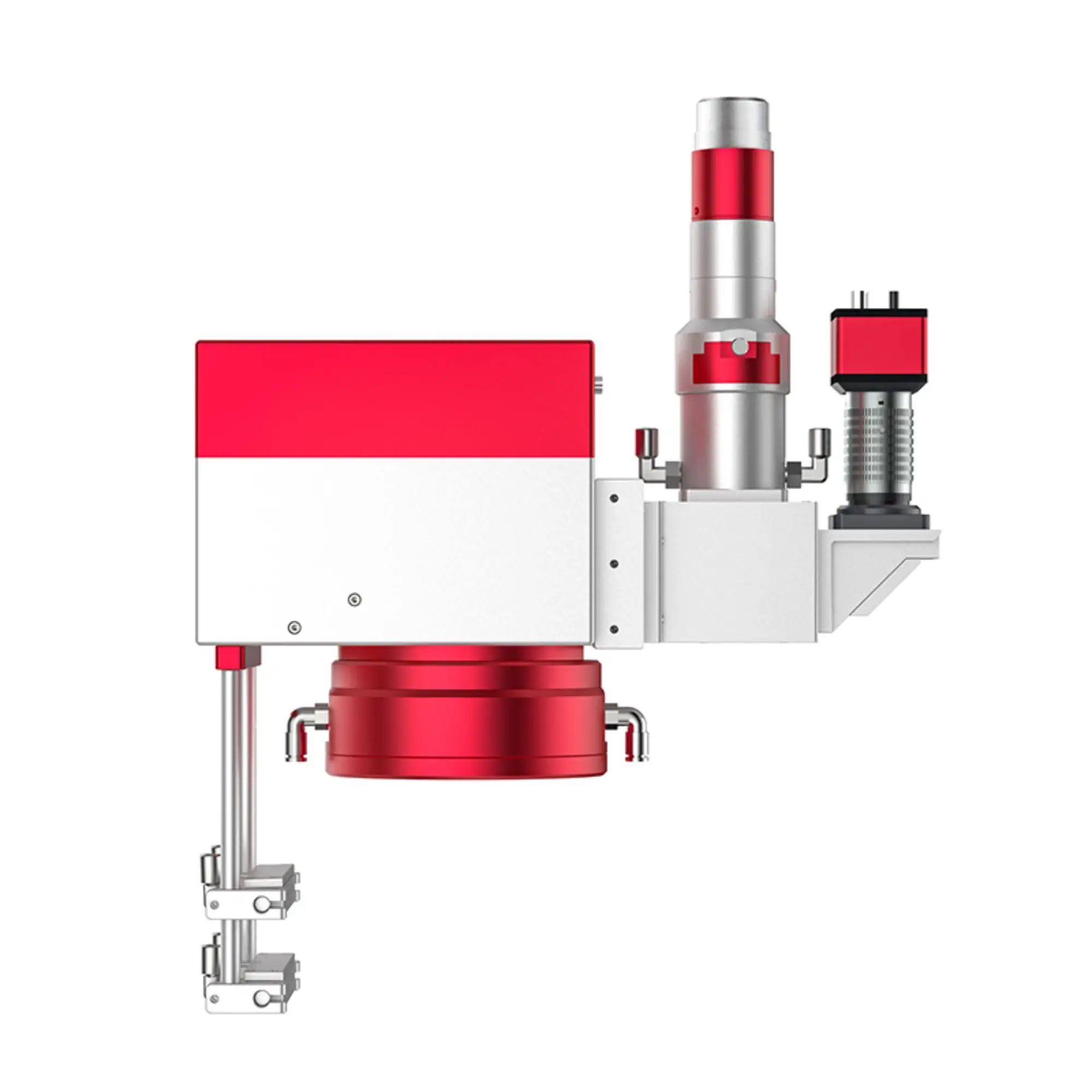
Industrial rust removal has traditionally relied on chemical solvents, sandblasting, and other abrasive methods that generate significant environmental waste and pose health risks to operators. Today's manufacturing facilities face increasing pressure to adopt sustainable practices while maintaining operational efficiency. A laser cleaning machine represents a revolutionary approach to rust removal that eliminates hazardous chemicals, reduces waste generation, and delivers superior cleaning results without compromising environmental standards.
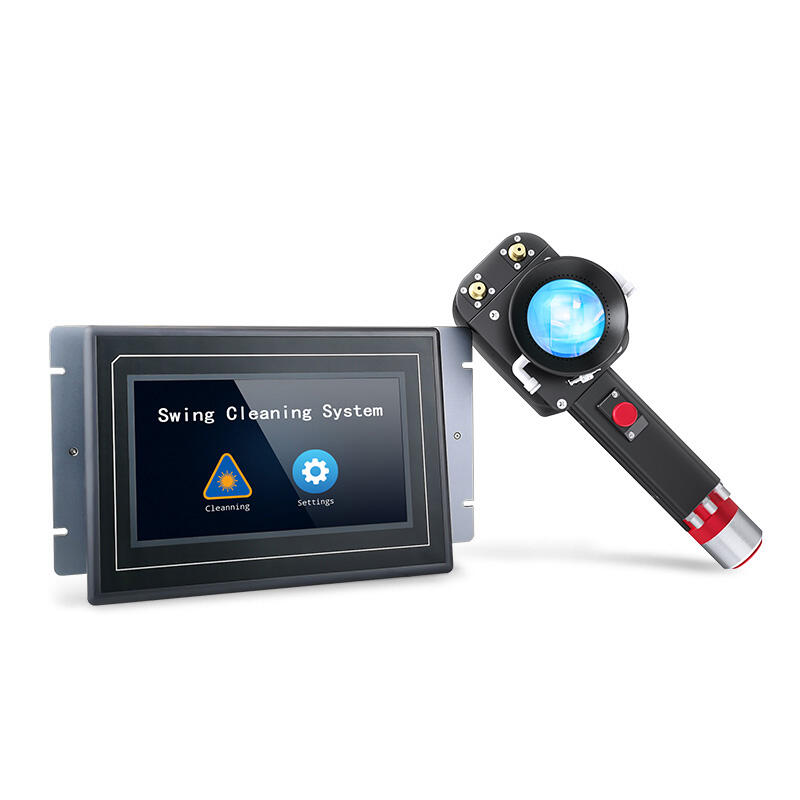
The environmental impact of conventional rust removal methods has become a critical concern for industries seeking to reduce their carbon footprint and comply with stringent environmental regulations. Chemical-based rust removers contain toxic substances that require careful disposal and can contaminate soil and groundwater. Mechanical abrasion techniques generate substantial dust and debris that contribute to air pollution and workplace hazards. Modern laser cleaning machine technology addresses these environmental challenges by providing a completely clean and sustainable alternative that aligns with green manufacturing initiatives.
Environmental Advantages of Laser Cleaning Technology
Zero Chemical Waste Generation
Traditional rust removal processes rely heavily on chemical solutions containing phosphoric acid, oxalic acid, and other corrosive compounds that create hazardous waste streams requiring specialized disposal methods. These chemicals not only pose environmental risks but also generate ongoing costs for proper waste management and regulatory compliance. A laser cleaning machine operates without any chemical inputs, using only focused laser energy to remove rust and contaminants from metal surfaces. This elimination of chemical waste represents a fundamental shift toward environmentally responsible manufacturing practices.
The absence of chemical waste streams significantly reduces the environmental liability associated with rust removal operations. Manufacturing facilities no longer need to invest in chemical storage infrastructure, waste treatment systems, or specialized disposal services. This transition to chemical-free cleaning processes helps companies meet increasingly strict environmental regulations while reducing their overall operational costs. The laser cleaning machine technology ensures that rust removal activities contribute to improved environmental stewardship rather than environmental degradation.
Minimal Air Pollution Impact
Conventional rust removal methods such as sandblasting, wire brushing, and grinding generate substantial amounts of airborne particles that contribute to workplace air pollution and environmental contamination. These particulate emissions require expensive filtration systems and pose health risks to workers and surrounding communities. A laser cleaning machine produces minimal airborne contaminants during operation, as the laser energy vaporizes rust and oxides at the molecular level rather than creating abrasive dust clouds.
The precision of laser cleaning technology ensures that only the targeted contaminants are removed, leaving the underlying substrate intact and minimizing material waste. This selective removal process generates significantly less debris compared to abrasive methods, reducing the need for extensive cleanup operations and waste disposal. The laser cleaning machine operates with integrated fume extraction systems that capture any minimal vapor byproducts, ensuring that air quality standards are maintained throughout the cleaning process.
Resource Conservation and Energy Efficiency
Reduced Material Consumption
Traditional rust removal methods often require consumable materials such as abrasive media, chemical solutions, protective coatings, and replacement brushes or grinding wheels. These consumables create ongoing material costs and generate waste streams that require disposal or recycling. A laser cleaning machine operates without consumable materials, using only electrical energy to generate the laser beam needed for rust removal. This elimination of consumable materials significantly reduces the environmental impact associated with manufacturing, transporting, and disposing of cleaning supplies.
The precision of laser cleaning technology also contributes to material conservation by preserving the integrity of the cleaned substrate. Unlike abrasive methods that can remove base material along with rust and contaminants, the laser cleaning machine selectively targets only the unwanted surface layers. This substrate preservation extends the service life of cleaned components and reduces the need for replacement parts, contributing to overall resource conservation and sustainable manufacturing practices.
Energy Efficiency and Carbon Footprint
Modern laser cleaning systems are designed with energy efficiency as a primary consideration, utilizing advanced fiber laser technology that converts electrical energy to cleaning power with exceptional efficiency. A laser cleaning machine typically consumes less energy per unit of cleaned surface area compared to traditional methods when accounting for the complete process cycle including material preparation, cleaning, waste handling, and disposal activities. The elimination of chemical heating, compressed air systems, and waste processing equipment contributes to reduced overall energy consumption.
The compact design and automated operation of laser cleaning systems also contribute to reduced facility energy requirements. Unlike chemical cleaning processes that may require heated baths, ventilation systems, and extended processing times, the laser cleaning machine delivers immediate results with minimal facility infrastructure. This efficiency translates to reduced carbon emissions associated with rust removal operations, supporting corporate sustainability goals and environmental reporting requirements.
Workplace Safety and Environmental Health
Elimination of Toxic Exposure Risks
Chemical rust removal processes expose workers to potentially harmful substances that can cause respiratory problems, skin irritation, and long-term health issues. These safety concerns require extensive personal protective equipment, specialized ventilation systems, and ongoing health monitoring programs. A laser cleaning machine eliminates worker exposure to toxic chemicals by removing the need for hazardous cleaning agents entirely. Operators work with automated laser systems that maintain safe distances from the cleaning process while delivering precise rust removal results.
The enclosed design of modern laser cleaning systems incorporates multiple safety features including interlocked enclosures, emergency stop systems, and automated safety monitoring. These safety systems protect operators from laser exposure while ensuring that cleaning operations can be conducted safely in industrial environments. The laser cleaning machine technology reduces workplace insurance costs and regulatory compliance burdens associated with chemical handling and worker safety programs.
Improved Indoor Air Quality
Traditional rust removal methods often degrade indoor air quality through chemical vapors, abrasive dust, and solvent emissions that require extensive ventilation systems to maintain safe working conditions. These air quality issues can affect worker productivity, increase healthcare costs, and create liability concerns for facility operators. A laser cleaning machine operates with minimal impact on indoor air quality, producing only small amounts of vaporized contaminants that are easily captured by standard extraction systems.
The precision of laser cleaning technology ensures that air quality impacts are localized and controlled, rather than dispersed throughout the facility. This improvement in workplace air quality contributes to better working conditions, reduced respiratory health risks, and improved employee satisfaction. The laser cleaning machine technology supports the creation of healthier industrial work environments while maintaining high productivity standards.
Long-Term Sustainability Benefits
Reduced Infrastructure Requirements
Chemical rust removal operations require significant infrastructure investments including chemical storage facilities, waste treatment systems, ventilation equipment, and safety systems. These infrastructure requirements increase facility costs and create ongoing maintenance obligations that impact long-term sustainability. A laser cleaning machine operates with minimal infrastructure requirements, needing only electrical power and basic extraction systems to deliver effective rust removal results.
The simplified infrastructure requirements of laser cleaning systems reduce the environmental impact associated with facility construction, operation, and maintenance activities. Manufacturing facilities can achieve their rust removal objectives without investing in complex chemical handling systems or waste processing equipment. This reduction in infrastructure requirements supports more sustainable facility design and operation while reducing long-term environmental liabilities.
Compliance with Environmental Regulations
Environmental regulations governing industrial cleaning processes continue to become more stringent, with increased restrictions on chemical emissions, waste generation, and worker exposure limits. A laser cleaning machine provides a proactive solution for meeting current and future environmental compliance requirements by eliminating many of the regulated substances and processes associated with traditional rust removal methods. This compliance advantage helps facilities avoid regulatory penalties and costly remediation requirements.
The documentation and reporting advantages of laser cleaning technology also support environmental compliance efforts. The laser cleaning machine operates with digital controls and monitoring systems that provide detailed records of cleaning operations, energy consumption, and process parameters. This documentation capability supports environmental reporting requirements and demonstrates commitment to sustainable manufacturing practices for regulatory agencies and stakeholder groups.
FAQ
How does a laser cleaning machine compare to sandblasting in terms of environmental impact
Sandblasting generates significant amounts of abrasive waste, creates airborne dust pollution, and often requires the use of silica-based media that poses respiratory health risks. A laser cleaning machine produces no abrasive waste, minimal airborne contaminants, and eliminates worker exposure to hazardous dust particles. The environmental impact reduction is substantial, with laser cleaning eliminating waste disposal requirements and air quality concerns associated with traditional abrasive methods.
What are the energy consumption differences between laser cleaning and chemical rust removal
While laser cleaning systems require electrical power to operate, the total energy consumption is typically lower than chemical methods when considering the complete process cycle. Chemical rust removal requires energy for heating solutions, operating ventilation systems, waste processing, and disposal activities. A laser cleaning machine delivers immediate results without auxiliary heating or extensive processing requirements, resulting in more efficient overall energy utilization.
Can laser cleaning technology help facilities meet sustainability reporting requirements
Yes, the adoption of laser cleaning technology directly supports sustainability reporting by eliminating chemical waste streams, reducing energy consumption, and improving workplace safety metrics. A laser cleaning machine provides quantifiable environmental benefits that can be documented and reported as part of corporate sustainability initiatives. The technology helps facilities demonstrate progress toward carbon reduction goals and environmental stewardship objectives.
What maintenance requirements affect the long-term environmental performance of laser cleaning systems
Laser cleaning systems require minimal maintenance compared to traditional cleaning equipment, with no consumable media, chemical supplies, or filter replacements needed for basic operation. A laser cleaning machine typically requires only periodic optical component cleaning and standard electrical system maintenance. This reduced maintenance requirement contributes to lower long-term environmental impact and operational sustainability compared to conventional rust removal methods.
Table of Contents
- Environmental Advantages of Laser Cleaning Technology
- Resource Conservation and Energy Efficiency
- Workplace Safety and Environmental Health
- Long-Term Sustainability Benefits
-
FAQ
- How does a laser cleaning machine compare to sandblasting in terms of environmental impact
- What are the energy consumption differences between laser cleaning and chemical rust removal
- Can laser cleaning technology help facilities meet sustainability reporting requirements
- What maintenance requirements affect the long-term environmental performance of laser cleaning systems