הכנת משטחים תעשייתית התפתחה בצורה דרמטית עם הצגת טכנולוגיית הסרת צבע באלחוט, ומציעה לייצרנים ולמקצועיים בתחום השחזור אלטרנטיבה נקייה ומדויקת יותר לשיטות המסורתיות. גישה חדשנית זו משתמשת בקרני לייזר ממוקדות להתרחקות צבע וחיפויים ממדרכים שונים, מבלי ליצור זרמי פסולת מסוכנות או צורך בסולבנטים כימיים אגרסיביים. ככל שהתקנות הסביבתיות הופכות מחמירות יותר ויותר והדאגה לקיימות משפיעה על החלטות תעשייתיות, הבנת ההשפעה האקולוגית של הסרת צבע באלחוט הופכת לחיונית לעסקים המחפשים פתרונות אחראים להכנה של משטחים.
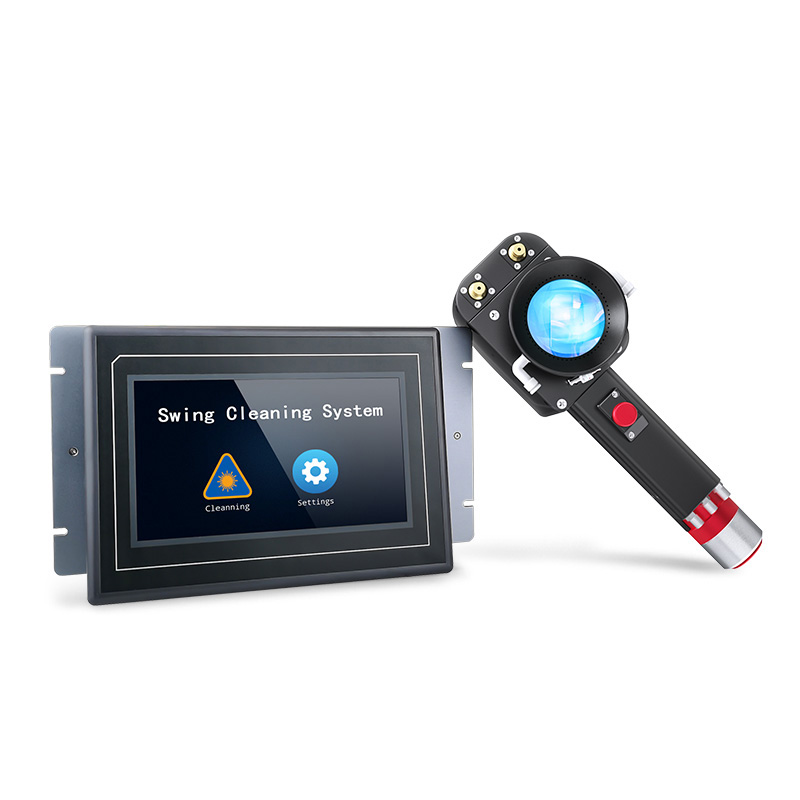
בניגוד לשיטות מסורתיות של הסרת צבע באמצעות חומרים כימיים, שמייצרות פסולת נוזלית מסוכנת הדורשת טיפול מיוחד, הסרת צבע באמצעות לייזר אינה מייצרת תוצרים לוואי כימיים במהלך הפעולה. התהליך מבוסס לחלוטין על אנרגיה פוטונית המפרקת קשרים מולקולריים בציפויי הצבע, מה שמונע את הצורך בסולבנטים רעילים, חומצות או תמיסות קאוסטיות. הבדל יסודי זה מפחית בצורה משמעותית את ההשפעה הסביבתית הקשורה לפעילויות הכנת משטחים.
היעדר זרמי פסולת כימית אומר שמוסדות המשתמשים במערכות הסרת צבע באמצעות לייזר חוסכים מצורך בהיקיון מורכבים הקשורים בניהול פסולת מסוכנת. לחברות אינן נדרשות עוד מערכות יקרות לטיפול בפסולת או החכרת שירותי סילוק מתמחים, מה שמפחית הן את עלויות הפעילות והן את האחריות הסביבתית.
מערכות לייזר מייצרות כמויות מזעריות של מזהמים באוויר בהשוואה לשיטחי סנדר או להסרת חומרים כימיים. אם כי נוצרות חלקיקות מסוימות במהלך אידוי שכבת הצביעה, הכמויות הן נמוכות בהרבה בהשוואה לשיטות קונבנציונליות. מודרניות הסרת צבע באמצעות לייזר מערכות כוללות מנגנוני איסוף אבק משולבים אשר אוספים את החומר הנibil במקום המקור, וכך מונעים את שחרורו לסביבה הסובבת.
האופי הבולט של הסרת לייזר מאפשר למפעילים לנהל בדיוק את תהליך הסרת, תוך שמירה על ניצול תרכובות אורגניות נעות, אשר בדרך כלל נובעות מנקות צבע כימיות. דיוק זה מקטין את הסיכון לזיהום האווירה ומסייע למתקנים לשמור על התאם לתקנות איכות האוויר מבלי לדרוש תשתית אוויר נרחבת.
שיטות מסורתיות להסרת צבע דורשות לעיתים קרובות שימוש כבד במים לצורכי ניקיון, שטיפה וטיפול בפסולת. מערכות ריסוס תחת לחץ צורך אלפי גלונים בכל פעולה, בעוד הסרת צבע באמצעות חומרים כימיים מחייבת שלבים נרחבים של שטיפה ונייטרול בעזרת מים. הסרת צבע באמצעות לייזר פועלת כתהליך יבש, ובכך היא מבטלת את צריכה המים במהלך פעולת ההסרה העיקרית ומצמצמת בצורה משמעותית את דרישות המשאבים הכוללות.
חיסכון המים מתפשט מעבר לתהליך ההסרה המיידי, שכן משטחים שטופלו באמצעות מערכות לייזר דורשים לרוב מינימום של ניקיון לאחר הטיפול. יעילות זו גורמת להפחתת הלחץ על מקורות המים המקומיים ולצורך מופחת בייצור של שפכים, מה שהופך את הטכנולוגיה הליאזורית לערכה במיוחד באזורים שבהם יש מחסור במים או תקנות מחמירות בנוגע לשפכים.
מערכות לייזר מודרניות מציגות יעילות אנרגטית מרשים בהשוואה לשיטות מסורתיות על בסיס ליחידת שטח. בעוד שלייזרים דורשים חשמל להפעלה, המסירה המדויקת של האנרגיה מבטלת את הפסולת המשויכת לתחמום נפחים גדולים של תמיסות כימיות או להפעלת מערכות אויר דחוס לתקופות ארוכות. טכנולוגיות לייזר סיביות מתקדמות משיגות יעילות גבוהה במעבר מהשקע, המרה של אנרגיה חשמלית לפליטת פוטונית מועילה עם יצור מינימלי של חום.
ההסרה של שלבי ההכנה והניקיון הארוכים מגבירה עוד יותר את היעילות האנרגטית הכוללת של פעולות הסרת צבע באמצעות לייזר. שיטות מסורתיות דורשות לעיתים קרובות שעות של תפעול, חימום כימיים וניקיון לאחר התהליך, בעוד שמערכות לייזר יכולות להתחיל בעבודה פרודוקטיבית מיד עם ההפעלה ולדרוש הליכי טיפול מינימליים לאחר הפעולה.
הסרת צבע באמצעות לייזר יוצרת פסולת מוצקה בكميات קטנות בהשוואה לשיטות שפיכת אבזרים, אשר צורך כמויות גדולות של חומר שפיכה. תהליך הלייזר ממיר את הצבע ישירות לחלקיקים זעירים שניתן לאסוף אותם בצורה יעילה ולעתים קרובות ניתן להחזירם או להשליכם דרך ערוצים תעשייתיים סטנדרטיים ולא דרך זרמי פסולת מסוכנת.
הדיוק של אבליית الليיזר מאפשר למתופעלים להסיר רק את שכבת הקישוט המטרה, תוך שימור חומר היסוד שעשוי להיפגע על ידי שיטות מכניות או כימיות אגרסיביות. שירות יכולת ההסרה הבחירתית הזו מאריכה את חיי רכיבי הטיפול ומחסכת בצורך בחלקי חילוף, ובכך תורמת למאמצים להגנה על החומרים בכלל.
האיחודיות יצירת קשר של הסרת צבע ע"י לייזר מבטלת את ההתנשאות המכנית על פני שטח חומר היסוד, ומונעת את היווצרות שavings מתכת, אבק בטון או חומרים אחרים של חומר היסוד שמתפתחים בדרך כלל בשיטות מחוסנות. יכולת השימור הזו חשובה במיוחד בטיפול בבניינים היסטוריים או ברכיבים מדויקים, שבהם שלמות חומר היסוד קריטית.
על ידי שמירה על פרופיל המשטח המקורי והדיוק המימדי של הרכיבים המעובדים, מערכות לייזר מפחיתות את הצורך בפעולות עיבוד, גריסה או גימור נוספות. יעילות זו מפחיתה את ייצור זרמי הפסולת המשניים ומקטינה את ההשפעה הסביבתית הכוללת של פעילויות הכנת המשטחים.
מוצרי הסרת צבע כימיים מכילים לרוב מתילן כלוריד, תרכובות קשיות או חומרים מסוכנים אחרים העלולים להוות סיכון סביבתי משמעותי לאורך כל מחזור החיים שלהם. ייצור, הובלה, שימוש וסילוק של כימיקלים אלו יוצרים מספר הזדמנויות להזנת סביבה, ובנוסף, תכונות המהותיות שלהם תורמות לקלקול איכות האוויר ולסיכון של זיהום מי שתה.
דרישות הסילוק של מוצרי הסרת צבע כימיים משומשים דורשות לרוב הליכי ניהול פסולת מסוכנת יקרים, הכוללים איסוף, טיפול וסילוק מיוחדים שצורכים משאבים ואנרגיה נוספים. מתקנים רבים חייבים להשקיע במערכות יקרות של טיפול במים נמלחים כדי להתמודד עם מים משומשים המזוהמים בשאריות כימיות, מה שמגדיל את הנטל הסביבתי הכולל של השיטות המסורתיות.
שיטות שפכיזציה וגריסה אחרות יוצרות כמויות גדולות של חומר גריסה משומש בתערובת עם חלקיקי צבע, מה שיוצר זרמי פסולת מורכבים הדורשים לעיתים קרובות טיפול מיוחד בשל נוכחות עופרת או רכיבים מסוכנים אחרים. בירור הפסולת המעורבת הזו יוצר אתגרים למוסדות השואפים לצמצם את ההשפעה הסביבתית שלהם תוך שמירה על התאמות דרישות חוקיות.
יצירת האבק הקשורה בהטלת אביזור יוצרת דאגות בנוגע לאיכות האוויר, אשר דורשות מערכות יקרות לאיסוף ואסנף אבק כדי למנוע שחרור לסביבה. גם עם בקרות מתאימות, חלקיקים מסוימים לרוב נמלטים, מה שתרום לזיהום אוויר מקומי ועשוי להשפיע על קהילות או מערכות אקולוגיות סמוכות.
מערכות הסרת צבע באמצעות לייזר עוזרות למוסדות לעמוד בדרישות תקנות סביבתיות מחמירות הולכות ומשתנות, מבלי צורך בתהליכי רישוי מורכבים או מערכות ניטור יקרות. אופי הנקי של תהליך الليיזר מונע רבים מהנקודות הנוגעות להטלת פיקוח הקשורים עם טיפול בכימיקלים, ייצור פסולת והפלט לאוויר, שמהווים עול על פעולות ההכנה לפני צביעה מסורתיות.
בזמן שמשלחות ברחבי העולם מיישמות בקרות חמורות יותר על פליטות תרכובות אורגניות נדיפות וייצור פסולת מסוכנת, טכנולוגיית הלייזר מספקת דרך לשימור פעולות תעשייתיות ללא אי הוודאות הרגולטורית המתלווה לשיטות מסורתיות. היתרון של התאמה זו הופך להיות יקר יותר ככל שתקני הסביבה ממשיכים להתפתח.
התקדמות מתמשכת ביעילות של לייזרים ובמערכות בקרה מבטיחה לשפר עוד יותר את היתרונות הסביבתיים של טכנולוגיית הסרת צבע באמצעות לייזר. פיתוחים בצורת קרן, בקרת אימפולס ובאוטומציה מפחיתים את צריכה האנרגיה תוך שיפור קצב הסרה והדיוק, מה שהופך את הטכנולוגיה למשיכה אף יותר מנקודת מבט של עמידות סביבתית.
מחקר באופטימיזציה של אורך גל של לייזר ומערכות רב-גל מרחיב את טווח השכבות שניתן להסיר בצורה יעילה באמצעות טכנולוגיית לייזר, ועשוי להפוך את השימוש בחומרים כימיים לחלופין מיותרים ביישומים שבהם הסרה באמצעות לייזר הייתה בעבר לא מעשית. התקדמויות אלו מחזקות את עמדת מערכות לייזר כפתרון המועדף מבחינה סביבתית לצורך הכנת משטחים.
הסרת צבע באמצעות לייזר יוצרת פליטות מינימליות בהשוואה לשיטות כימיות או שוחקות, ורוב המערכות כוללות איסוף אבק כדי לאסוף חומרים חלקיקים במקור. אם כי מרכיבים מסוימים של צבע מتبخر עלולים להשתחרר, הכמויות קטנות בהשוואה לשיטות מסורתיות וניתן לשלוט בהן ביעילות באמצעות שילוב של ת ventilation ומערכות איסוף מתאימות.
מערכות לייזר מודרניות מציגות יעילות אנרגטית גבוהה יותר ליחידת שטח כאשר לוקחים בחשבון את מחזור התהליך השלם. אף על פי שלייזרים דורשים חשמל במהלך הפעולה, הם מבטלים את עלות האנרגיה הכרוכה בחימום כימי, ייצור אויר דחוס וاجירת ניקיון מקיפה הנדרשת על ידי שיטות מסורתיות.
חומר החרסינה העדינה שנוצרה במהלך הסרת צבע באמצעות לייזר ניתן לעיתים קרובות להשלכה דרך ערוצים תעשייתיים סטנדרטיים ולא דרך זרמי פסולת מסוכנת, בהתאם להרכב השכבה המקורית. האופי המורכב של החומר הנאסף עשוי לאפשר גם הזדמנויות לשיקום עבור סוגי צבע מסוימים, ובכך לצמצם את דרישות הסילוק הכוללות של הפסולת.
הבטיחות הסביבתית בהסרת צבע באמצעות לייזר עוסקת בעיקר במערכות איסוף וסינון אבק מתאימות למניעת שחרור חלקיקים, יחד עם פרוטוקולי בטיחות לייזר סטנדרטיים להגנת המפעיל. הסרה של טיפול בכימיקלים וייצור פסולת מצמצמת במידה ניכרת את תשתית הבטיחות הסביבתית הנדרשת בהשוואה לשיטות ההכנה המסורתיות של משטחים.
 חדשות חמות
2026-04-02
2026-04-09
2026-04-08
2026-04-06
2026-04-02
2026-03-31

קומה 6, בניין B, בניין טכנולוגיית ונהי, מספר 7 רחוב הוייטונג, מחוז גואנגמינג, שצן, פרובינציית גואנגדונג
זכויות יוצרים © 2026 שנזחן Zbtk טכנולוגיה בעימ., יד. מדיניות הפרטיות
 EN
EN