Industriële roestverwijdering heeft zich aanzienlijk ontwikkeld dankzij de introductie van geavanceerde lasertechnologie, waardoor de aanpak van corrosiebehandeling voor fabrikanten en onderhoudsprofessionals radicaal is veranderd. Een laserroestverwijderingsmachine vormt de meest moderne oplossing voor efficiënte, nauwkeurige en milieuvriendelijke roestverwijdering in diverse industriële toepassingen. Het begrijpen van de essentiële kenmerken van deze geavanceerde systemen is cruciaal om weloverwogen aankoopbeslissingen te nemen die aansluiten bij operationele eisen en budgetbeperkingen.
Moderne laserroestverwijderingstechnologie biedt ongekende voordelen ten opzichte van traditionele methoden zoals zandstralen, chemische behandelingen en handmatige slijping. Deze systemen gebruiken gefocusseerde laserstralen om roest, verf en andere oppervlakteverontreinigingen selectief te verwijderen zonder het onderliggende materiaal te beschadigen. De precisie en controle die laser-technologie biedt, maken het bijzonder waardevol in industrieën waar oppervlakte-integriteit van groot belang is, zoals bij autorestauratie, lucht- en ruimtevaartonderhoud en projecten voor historische bewaring.
De groeiende toepassing van lasersystemen voor roestverwijdering weerspiegelt hun superieure prestatiekenmerken en operationele voordelen. In tegenstelling tot conventionele methoden die gevaarlijk afval genereren, stofwolken veroorzaken of uitgebreide oppervlaktevoorbereiding vereisen, bieden lasersystemen een schone en nauwkeurige verwijdering met minimale milieubelasting. Deze technologische vooruitgang heeft laserschoonmaak als roestverwijderingsmethode geplaatst als de voorkeursoplossing voor bedrijven die efficiënte, duurzame en kosteneffectieve oppervlaktebehandelmogelijkheden zoeken.
De power uitkomst van een laserroestverwijderingsmachine heeft direct invloed op de reinigingsefficiëntie en toepassingsveelzijdigheid. Systemen variëren doorgaans van 100 watt voor lichte toepassingen tot 3000 watt of hoger voor zware industriële toepassingen. Apparaten met lager vermogen presteren uitstekend bij precisiewerk, het reinigen van gevoelige oppervlakken en kleine operaties waarbij de warmtetoevoer nauwkeurig geregeld moet worden. Systemen met hoger vermogen bieden snellere verwerkingssnelheden en kunnen dikker roestlagen, grotere oppervlakken en continue productieomgevingen aan.
Pulsenergie en herhalingssnelheid werken samen met gemiddeld vermogen om de reinigingseffectiviteit te bepalen. De piekvermogensdichtheid in het brandpunt bepaalt de drempel voor materiaalafname, terwijl de pulsduration invloed heeft op de warmtebeïnvloede zone en de substraatbescherming. Het begrijpen van deze relaties stelt operators in staat om reinigingsparameters te optimaliseren voor specifieke materialen en vervuilingstypen, waardoor consistente resultaten worden gegarandeerd in uiteenlopende toepassingen.
De straalqualiteit heeft een grote invloed op de reinigingsefficiëntie en bepaalt de haalbare focusvlek en de verdeling van de energiedichtheid. Hoge-kwaliteit laserstralen behouden een consistente energiedichtheid over het werkgebied, wat zorgt voor een gelijkmatige roestverwijdering zonder hotspots of oneffenheden in het reinigingspatroon. De M-kwadraatparameter geeft een kwantitatieve maat voor de straalqualiteit, waarbij waarden dichter bij één betere straaleigenschappen en efficiënter energieverbruik aangeven.
Optimalisatie van de energiedichtheid vereist zorgvuldige afweging van materiaaleigenschappen, roestdikte en gewenste oppervlakteafwerking. Onvoldoende energiedichtheid leidt tot onvolledige verwijdering, terwijl te hoge energie het substraat kan beschadigen of ongewenste oppervlaktemodificaties kan veroorzaken. Geavanceerde systemen zijn uitgerust met real-time bewaking en feedbackmechanismen om gedurende het reinigingsproces een optimale energiedichtheid te handhaven, en passen zich automatisch aan wisselende oppervlaktecondities en vervuilingsgraden aan.
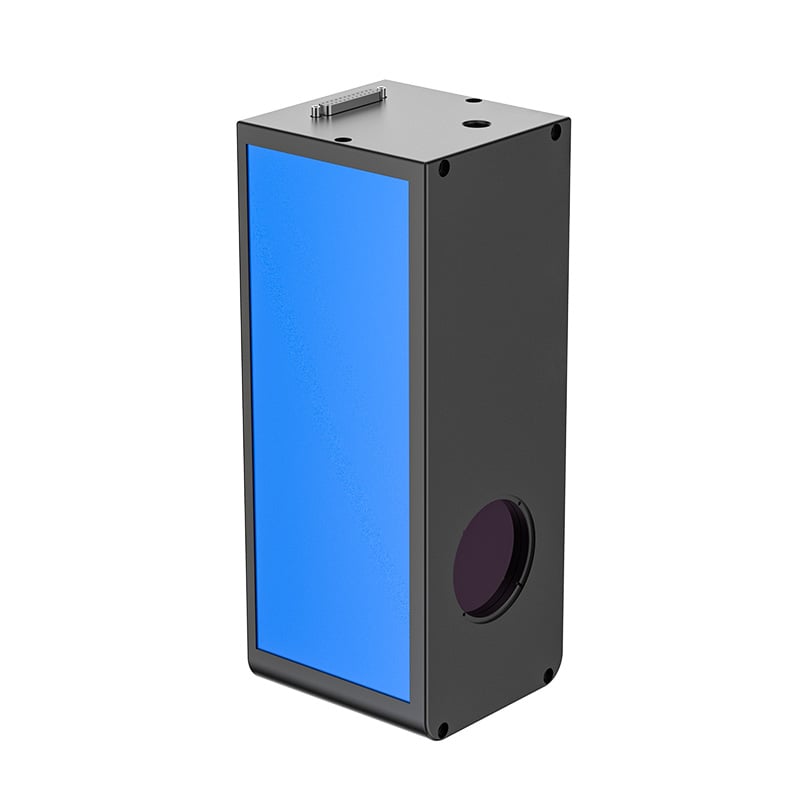
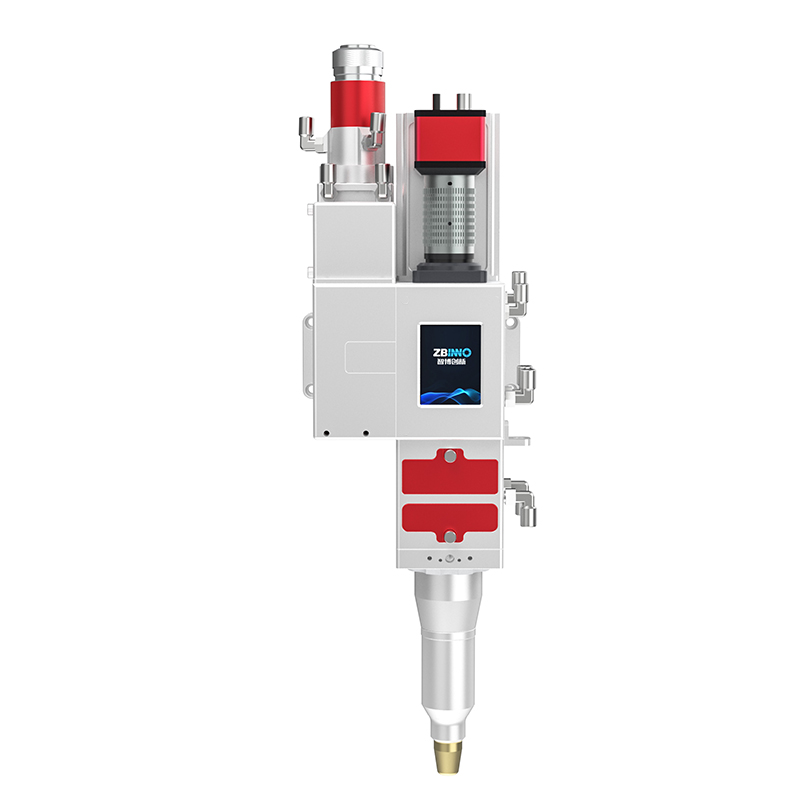
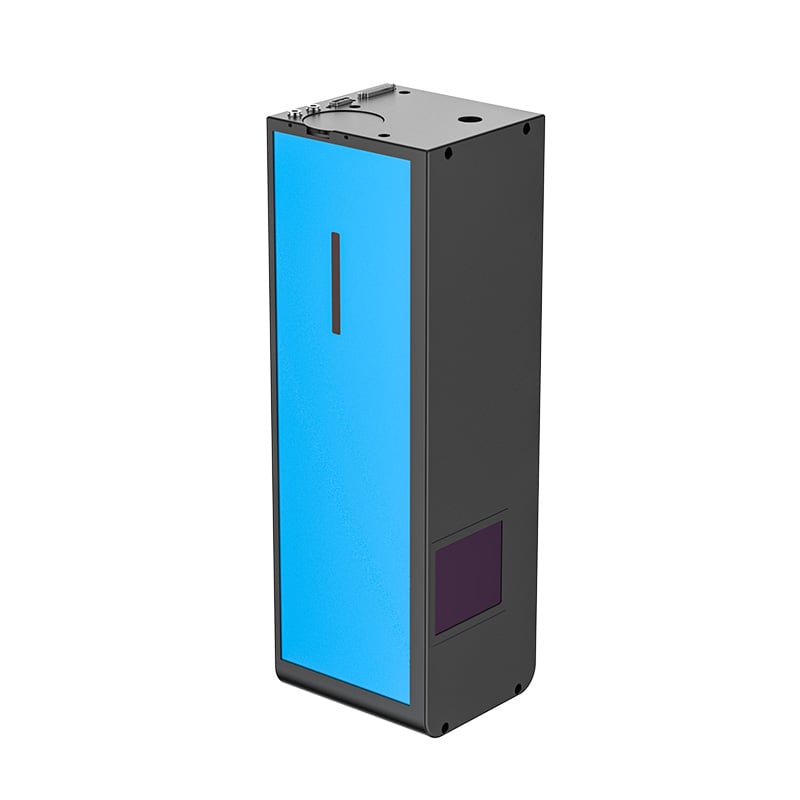
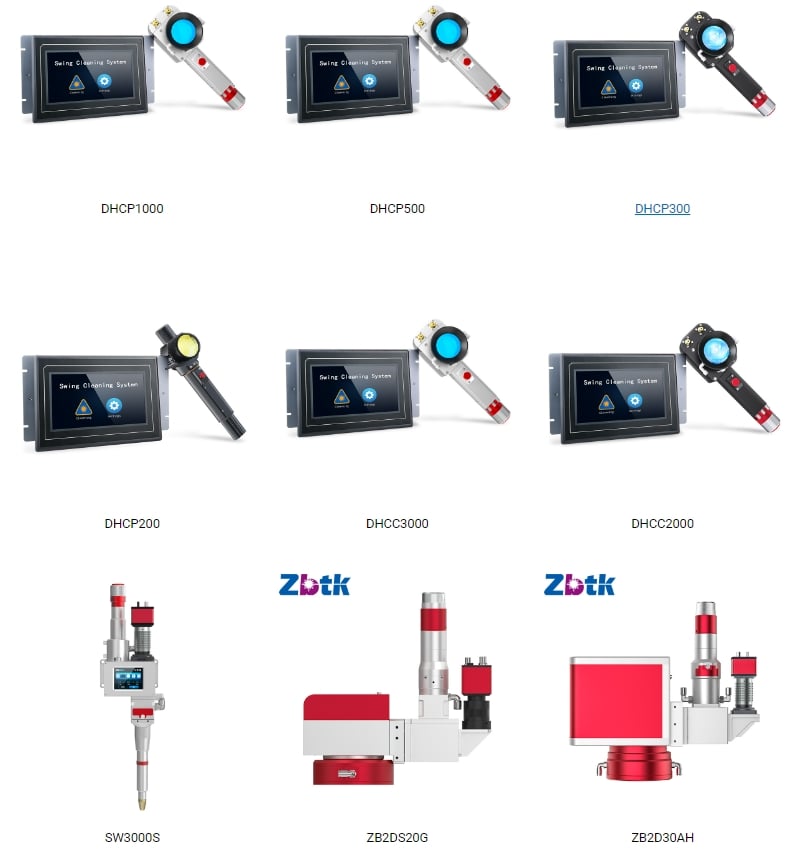
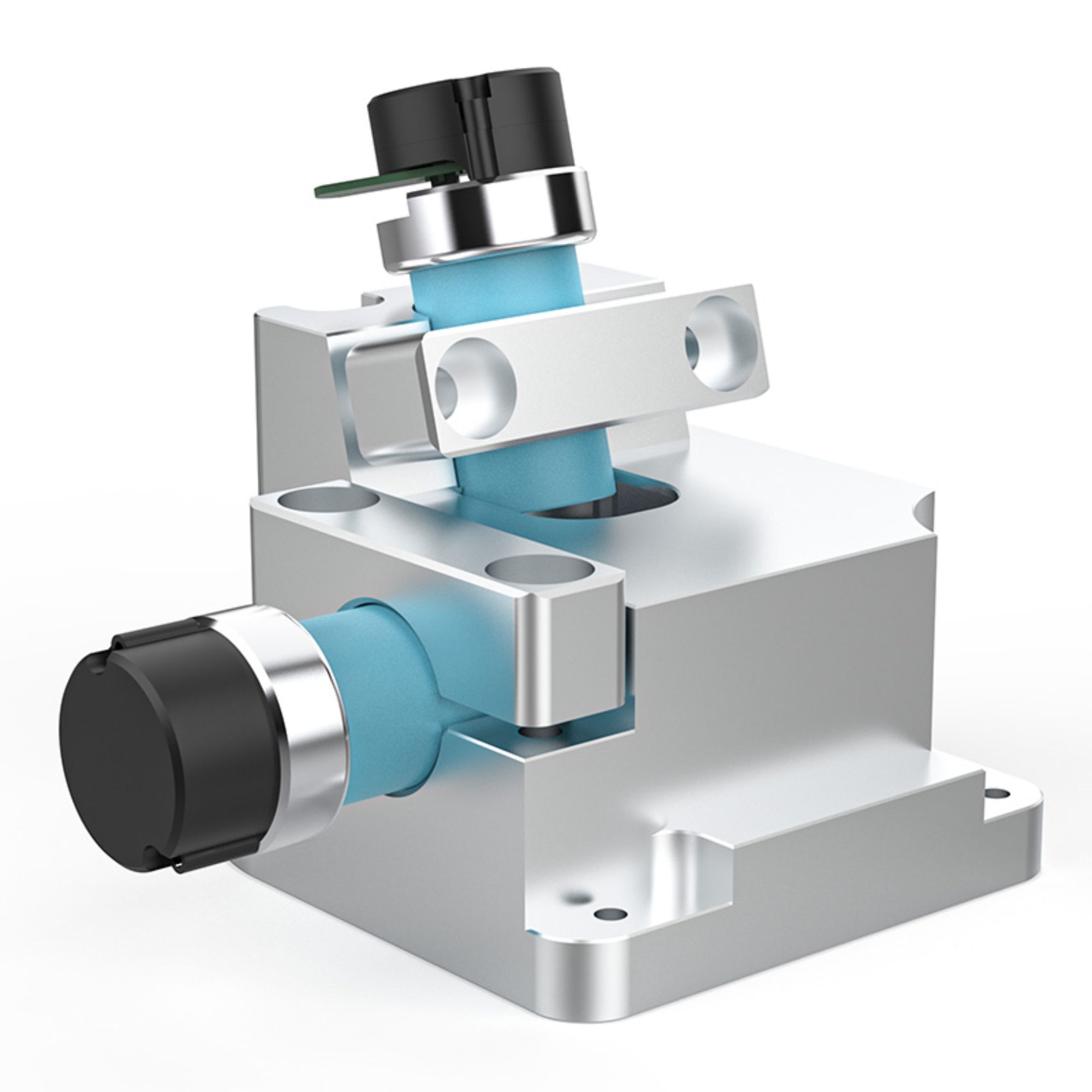
Moderne lasersystemen voor roestverwijdering zijn uitgerust met geavanceerde scansystemen die nauwkeurige bundelpositionering en patroongeneratie mogelijk maken. Scanners op basis van galvanometers zorgen voor snelle, accurate afbuiging van de straal over het werkoppervlak, terwijl mechanische scansystemen grotere werkgebieden en constante verwerkingssnelheden bieden. De keuze tussen scan-technologieën hangt af van de toepassingsvereisten, zoals werkafstand, oppervlaktebestrijking en vereiste verwerkingsnauwkeurigheid.
Programmeerbare scanpatronen optimaliseren de reinigingsefficiëntie door volledige dekking te waarborgen en de verwerkingstijd tot een minimum te beperken. Geavanceerde systemen stellen operators in staat om aangepaste patronen te definiëren, het overlappingpercentage aan te passen en gespecialiseerde reinigingsvolgordes te creëren voor complexe geometrieën. Optimalisatiealgoritmen voor patronen analyseren de oppervlaktestructuur en verspreiding van vervuiling om efficiënte reinigingspaden te genereren die energieverbruik minimaliseren en de doorvoer maximaliseren.
Geïntegreerde monitoring systemen bieden continue feedback over de voortgang van het reinigingsproces, waardoor operators de volledigheid van verwijdering kunnen verifiëren en consistente kwaliteitsnormen kunnen handhaven. Optische sensoren monitoren in real-time de oppervlaktoestand, detecteren resterende vervuiling en passen automatisch de laserparameters aan om grondige reiniging te garanderen. Deze feedbackmechanismen voorkomen overmatige bewerking en beschermen de substraatmaterialen tegen thermische schade.
De mogelijkheden voor procesdocumentatie registreren reinigingsparameters, bewerktijd en kwaliteitsmetrieken voor elke opdracht, ter ondersteuning van kwaliteitsborgingsprotocollen en traceerbaarheidsvereisten. Geavanceerde systemen genereren gedetailleerde rapporten die analyse van het oppervlak voor en na, gegevens over energieverbruik en metrieken voor procesefficiëntie bevatten, waardoor continue verbetering van het proces en kostenoptimalisatiestrategieën mogelijk worden.
Lasersystemen voor roestverwijdering moeten uitgebreide veiligheidsvoorzieningen bevatten om de bediener te beschermen en om te voldoen aan internationale laserveiligheidsnormen. Lasers van klasse 4, die vaak worden gebruikt in industriële reinigingstoepassingen, vereisen geavanceerde veiligheidsvergrendelingen, noodstopsystemen en beveiligde behuizingen om onbedoelde blootstelling te voorkomen. Toegang via sleutelkaart, straalafsluiters en mogelijkheden voor afstandsbediening zorgen voor geautoriseerd gebruik en directe uitschakeling van het systeem in noodsituaties.
Beveiligde behuizingen sluiten de laserstraling op, terwijl ze de bediener zicht bieden via gefilterde kijkvensters of camerasystemen. Deze behuizingen moeten voldoen aan specifieke eisen voor optische dichtheid voor de gebruikte laser golflengte en vermogensniveau, om volledige bescherming te garanderen tegen directe en gereflecteerde straling. Ventilatiesystemen die zijn geïntegreerd in de beveiligde behuizingen, verwijderen dampen en fijnstof die tijdens het reinigingsproces ontstaan, en zorgen zo voor veilige werkomstandigheden.
Doeltreffende aanzuigsystemen voor dampen zijn essentieel om de luchtkwaliteit en veiligheid van bedieners te waarborgen tijdens het laserreinigen van roest. Deze systemen vangen en filteren zwevende deeltjes, metalendampen en ontledingsproducten die ontstaan wanneer laserenergie inwerkt op oppervlakteverontreinigingen. Hoogwaardige luchtfilterinstallaties met fijnstoffilters en geactiveerde koolstofstadia verwijderen zowel deeltjes als gasvormige verontreinigingen, wat naleving garandeert van beroepsmatige blootstellingslimieten.
Milieumonitoringssystemen volgen parameters van de luchtkwaliteit en passen automatisch de aanzuigcapaciteit aan om veilige werkomstandigheden te handhaven. Koppeling met de ventilatiesystemen van de installatie maakt gecoördineerd luchtstroombeheer mogelijk, waardoor verspreiding van verontreiniging naar aangrenzende werkplekken wordt voorkomen. Regelmatige vervangingschema's voor filters en controleprotocollen zorgen ervoor dat de aanzuigsystemen gedurende hun hele levensduur doeltreffend blijven.
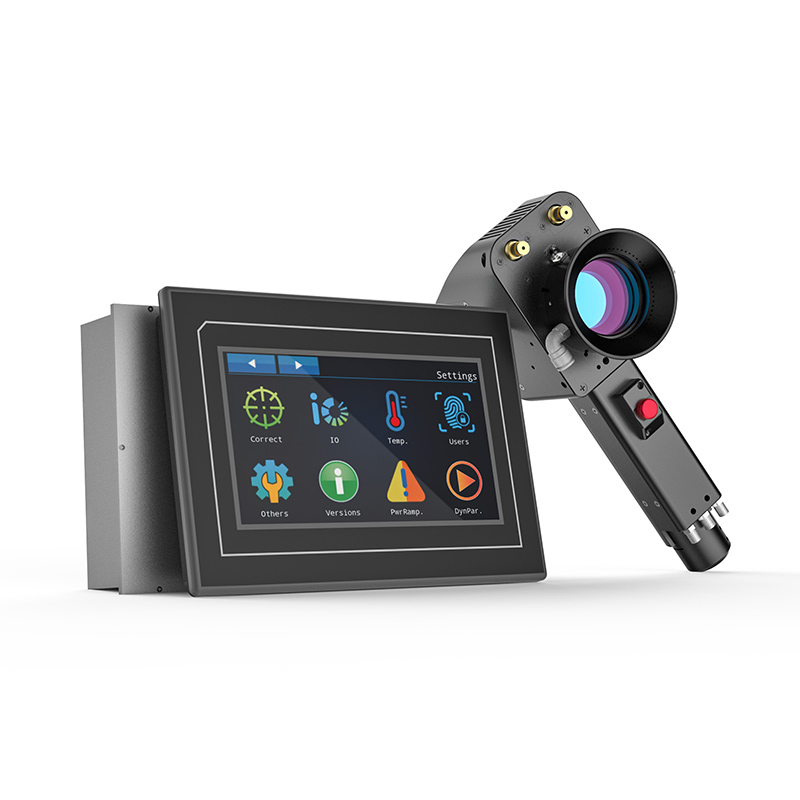
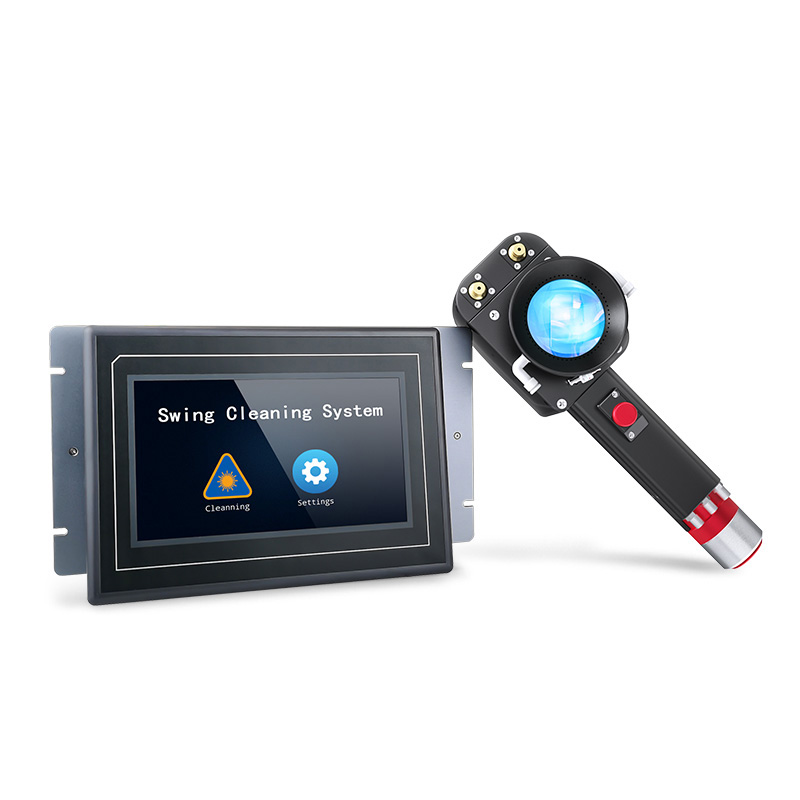
Gebruiksvriendelijke interfaces vereenvoudigen de bediening en verlagen de opleidingsvereisten voor lasersystemen voor roestverwijdering. Touchscreenbedieningen met grafische weergaven stellen operators in staat om de systeemstatus te monitoren, parameters aan te passen en reinigingsprogramma's uit te voeren met minimale complexiteit. Vooraf geprogrammeerde reinigingsrecepten voor veelvoorkomende toepassingen stroomlijnen de installatieprocedure en zorgen voor consistente resultaten over verschillende operators en ploegen heen.
De mogelijkheid tot afstandsbediening maakt het bedienen van het systeem op veilige afstand mogelijk, wat met name belangrijk is bij het verwerken van grote onderdelen of werken in gevaarlijke omgevingen. Draadloze connectiviteit zorgt voor realtime bewaking en besturing via mobiele apparaten, waardoor flexibele bediening en probleemoplossing op afstand worden ondersteund. Hulpmiddelen voor datalogging en analyse helpen operators bij het optimaliseren van reinigingsparameters en het identificeren van kansen voor procesverbetering.
Toegankelijke onderhoudskenmerken verminderen stilstandtijd en bedrijfskosten voor lasersystemen voor roestverwijdering. Het modulaire onderdeelontwerp maakt snelle vervanging van verbruiksartikelen, zoals beschermende ramen, focuslenzen en filterelementen, mogelijk zonder speciale gereedschappen of uitgebreide demontage. service duidelijke onderhoudsindicatoren en geautomatiseerde herinneringen helpen operators de optimale systeemprestatie te behouden en onverwachte storingen te voorkomen.
Diagnosesystemen bieden gedetailleerde informatie over de conditie van componenten en prestatietrends, waardoor predictief onderhoud mogelijk wordt, wat ongeplande stilstand minimaliseert. Afstandsdiagnosemogelijkheden stellen servicetechnici in staat om de systeemstatus te beoordelen en ondersteuning te bieden zonder een bezoek ter plaatse, wat leidt tot kortere reactietijden en lagere onderhoudskosten. Uitgebreide servicedocumentatie en videotutorials ondersteunen intern onderhoudscapaciteit en verminderen de afhankelijkheid van externe serviceproviders.
De totale bezitkosten van lasersystemen voor roestverwijdering omvatten de initiële aanschaf van apparatuur, installatie, training en lopende operationele kosten. Hoewel lasersystemen doorgaans een hogere initiële investering vereisen in vergelijking met traditionele reinigingsmethoden, zijn hun bedrijfskosten vaak aanzienlijk lager vanwege geringer verbruik van materialen, minimale afvalproductie en verminderde arbeidsbehoeften. Energieverbruik, onderhoudskosten en schema's voor vervanging van verbruiksartikelen moeten worden beoordeeld tegenover de verwerkingssnelheid en kwaliteitseisen.
Financieringsmogelijkheden en leasingprogramma's kunnen de initiële kapitaalvereisten verlagen terwijl ze toegang bieden tot geavanceerde lasertechnologie. Veel fabrikanten bieden uitgebreide servicepakketten aan die preventief onderhoud, spoedreparaties en bedienerstraining omvatten, waardoor organisaties kosten voor lopende bedrijfsuitgaven kunnen begroten. Bij de berekening van de totale bezitkosten dienen productiviteitswinsten, kwaliteitsverbeteringen en voordelen op het gebied van milieucompliance in overweging te worden genomen, die bijdragen aan langetermijnwaarde.
Lasersystemen voor roestverwijdering bieden aanzienlijke productiviteitsvoordelen door hogere verwerkingssnelheden, kortere insteltijden en het weglaten van nacleaningsoperaties die bij traditionele methoden vereist zijn. Geautomatiseerde bediening vermindert de arbeidsbehoefte en zorgt voor consistente verwerkingskwaliteit, onafhankelijk van het vaardigheidsniveau van de operator. De precisie van laser Reiniging elimineert de noodzaak om aangrenzende gebieden af te dekken en vermindert nazandwerk als gevolg van oververwerking of onvolledige reiniging.
Kwaliteitsverbeteringen behaald via laserschoonmaken kunnen de systeemkosten rechtvaardigen door verminderde garantieclaims, verbeterde levensduur van producten en verhoogde klanttevredenheid. De mogelijkheid om complexe geometrieën en delicate oppervlakken schoon te maken, opent nieuwe marktkansen en stelt bedrijven in staat om toegevoegde diensten aan te bieden die een hogere prijs opleveren. Milieuvriendelijke voordelen, zoals het elimineren van gevaarlijk afval en lagere kosten voor naleving van regelgeving, dragen extra waarde bij die de investeringsrekening ondersteunt.
Regelmatig onderhoud omvat het schoonmaken van beschermende vensters, het vervangen van luchtfilters, het controleren van de straaluitlijning en het onderhouden van koelsystemen. De meeste systemen vereisen maandelijkse inspectie van slijtageonderdelen en jaarlijkse kalibratie van vermogen en veiligheidssystemen. Juist onderhoud zorgt voor constante prestaties, verlengt de levensduur van de apparatuur en handhaaft naleving van veiligheidsvoorschriften.
Het vereiste vermogen hangt af van de roestdikte, het substraatmateriaal, de vereiste verwerkingssnelheid en de oppervlaktebedekking. Licht roest op dunne materialen kan slechts 100-500 watt vereisen, terwijl zware corrosie op dikke stalen platen 1000 watt of meer kan nodig hebben. Overleg met fabrikanten van apparatuur en het uitvoeren van testmetingen helpt bij het bepalen van de optimale vermogensspecificaties.
Laserreiniging is effectief op de meeste metalen, waaronder staal, aluminium, koper en titaan, hoewel parameteroptimalisatie per materiaalsoort vereist is. Sommige materialen met hoge reflectiviteit kunnen speciale golflengten of oppervlaktebehandelingen vereisen. Materiaaldikte, thermische geleidbaarheid en soorten coatings beïnvloeden de reinigingseffectiviteit en de keuze van parameters.
Operatoren moeten uitgebreide training ontvangen over de principes van lasers veiligheid, bedieningsprocedures van het systeem, noodsituatieprotocollen en onderhoudseisen. Veel jurisdicties vereisen gecertificeerde opleiding in lasers veiligheid en periodieke bijscholingscursussen. De training moet onder andere ingaan op het herkennen van gevaren, het gebruik van persoonlijke beschermingsmiddelen en de juiste procedures voor het uitschakelen van het systeem om veilige bediening te waarborgen.
 Actueel nieuws
2026-04-02
2026-04-09
2026-04-08
2026-04-06
2026-04-02
2026-03-31

6e verdieping, Blok B, Wanhe Technologiegebouw, Nr. 7 Huitong-weg, District Guangming, Shenzhen, Provincie Guangdong
Copyright © 2026 Shenzhen Zbtk Technology Co., Ltd. Privacybeleid
 EN
EN
![10 mm hoge precisie galvo-scanner ZB2D10A-Max-[FB]](https://shopcdnalpha.grainajz.com/category/72164/1455/65f10861a84c8d74f16d83a84a90504b/%E4%B8%BB%E5%9B%BE%E8%A7%84%E8%8C%831.jpg)