Việc phục hồi bề mặt kim loại đã phát triển mạnh mẽ nhờ sự ra đời của công nghệ máy móc tiên tiến làm sạch bằng laser máy móc mang lại độ chính xác và hiệu quả vượt trội so với mọi phương pháp làm sạch truyền thống. Cách tiếp cận cách mạng này đối với việc chuẩn bị bề mặt và loại bỏ các chất gây nhiễm bẩn đại diện cho một bước chuyển đổi mang tính đột phá trong bảo trì công nghiệp, cho phép người vận hành loại bỏ có chọn lọc các lớp vật liệu không mong muốn trong khi vẫn giữ nguyên độ nguyên vẹn của lớp nền kim loại. máy Làm Sạch Laser thiết bị này sử dụng năng lượng photon tập trung để loại bỏ các chất gây nhiễm bẩn trên bề mặt thông qua các quá trình nhiệt được kiểm soát, có thể điều chỉnh tinh vi nhằm nhắm mục tiêu vào các vật liệu cụ thể mà không ảnh hưởng đến thành phần kim loại nền.
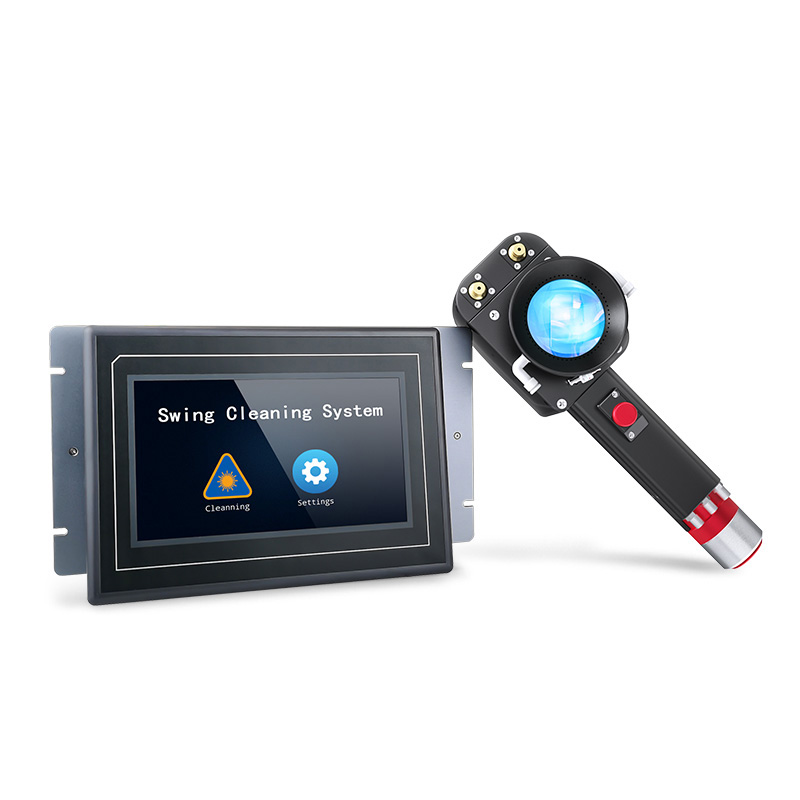
Nguyên lý cơ bản đằng sau hoạt động của máy làm sạch bằng laser dựa trên đặc tính hấp thụ có chọn lọc của các vật liệu khác nhau ở các bước sóng cụ thể. Khi được hiệu chuẩn đúng cách, những hệ thống này có khả năng phân biệt giữa các chất gây nhiễm bẩn trên bề mặt như gỉ sắt, sơn hoặc lớp oxy hóa với nền kim loại bên dưới. Máy làm sạch bằng laser đạt được tính chọn lọc này thông qua việc kiểm soát chính xác các thông số như thời gian xung, mật độ năng lượng và lựa chọn bước sóng nhằm tạo ra điều kiện tối ưu để loại bỏ chất gây nhiễm bẩn trong khi vẫn đảm bảo độ nguyên vẹn của vật liệu nền.
Các ứng dụng công nghiệp đã chứng minh tỷ lệ thành công đáng kể trong các dự án phục hồi, nơi các phương pháp truyền thống thường gây hư hại bề mặt hoặc đòi hỏi các quy trình che chắn phức tạp. Phương pháp này không liên hệ bản chất của công nghệ máy làm sạch bằng tia laser loại bỏ ứng suất cơ học có thể làm thay đổi các tính chất kim loại học của bề mặt được xử lý. Đặc điểm này khiến máy làm sạch bằng tia laser đặc biệt có giá trị trong các công việc phục chế tinh xảo đối với các chi tiết chính xác, hiện vật lịch sử và thiết bị công nghiệp cao cấp, nơi việc duy trì các thông số kỹ thuật gốc là yếu tố then chốt.
Hiệu quả của bất kỳ máy làm sạch bằng laser nào đều phụ thuộc cơ bản vào đặc tính hấp thụ khác biệt giữa các vật liệu nhiễm bẩn và bề mặt nền. Khi các photon từ máy làm sạch bằng laser tương tác với các vật liệu trên bề mặt, chúng truyền năng lượng với tốc độ được xác định bởi các đặc tính quang học của vật liệu ở các bước sóng cụ thể. Các chất nhiễm bẩn như ôxít gỉ, lớp sơn và cặn hữu cơ thường có hệ số hấp thụ cao hơn so với các bề mặt kim loại sạch, tạo ra lợi thế chọn lọc cho phép loại bỏ chính xác mà không gây tổn hại đến vật liệu nền.
Các hệ thống máy làm sạch bằng laser hiện đại sử dụng các bước sóng được lựa chọn đặc biệt nhằm tối đa hóa sự chênh lệch hấp thụ này. Các biến thể máy làm sạch bằng laser sợi hoạt động ở bước sóng 1064 nanomet cho thấy hiệu suất xuất sắc trên các kim loại ferro, trong khi các hệ thống nhân tần số ở bước sóng 532 nanomet lại vượt trội trong việc loại bỏ các chất gây nhiễm bẩn hữu cơ khỏi bề mặt nhôm và thép không gỉ. Người vận hành máy làm sạch bằng laser có thể điều chỉnh các thông số này theo thời gian thực để tối ưu hóa hiệu quả làm sạch, đồng thời duy trì toàn bộ quyền kiểm soát độ sâu và cường độ của quá trình.
Quản lý nhiệt chính xác là một khía cạnh then chốt trong hoạt động của máy làm sạch bằng laser, trực tiếp ảnh hưởng đến việc bảo toàn vật liệu nền. Máy làm sạch bằng laser tạo ra vùng gia nhiệt cục bộ nhằm làm bay hơi hoặc thăng hoa các chất bẩn trên bề mặt, đồng thời hạn chế mức độ truyền nhiệt vào lớp vật liệu nền. Việc điều khiển thời gian xung cho phép máy làm sạch bằng laser cung cấp năng lượng dưới dạng các xung vi giây, từ đó giảm thiểu khuếch tán nhiệt và ngăn ngừa hình thành vùng chịu ảnh hưởng nhiệt – vốn có thể làm thay đổi tính chất kim loại học của vật liệu nền.
Các hệ thống máy làm sạch bằng laser tiên tiến tích hợp chức năng giám sát nhiệt độ theo thời gian thực và các hệ thống điều khiển phản hồi tự động điều chỉnh thông số dựa trên đặc tính phản ứng của bề mặt. Cách tiếp cận thông minh này đảm bảo rằng máy làm sạch bằng laser duy trì điều kiện làm sạch tối ưu trong suốt quá trình, đồng thời ngăn ngừa tổn thương nhiệt đối với các vật liệu nền nhạy cảm. Kết quả là quá trình chuẩn bị bề mặt ổn định, có thể lặp lại một cách chính xác, đáp ứng các yêu cầu chất lượng khắt khe mà không làm ảnh hưởng đến độ nguyên vẹn của vật liệu nền hay độ chính xác về kích thước.
Kim loại ferro gây ra những thách thức và cơ hội đặc thù trong ứng dụng máy làm sạch bằng laser do đặc tính từ tính và khả năng hình thành oxit của chúng. Máy làm sạch bằng laser có thể được cấu hình cụ thể để xử lý các loại oxit sắt khác nhau, từ gỉ bề mặt đến lớp vảy oxy hóa dày, thông qua việc lựa chọn cẩn thận các thông số xung và các mẫu quét. Bề mặt thép phản ứng rất tốt với quá trình làm sạch bằng laser, bởi công nghệ này có khả năng loại bỏ các sản phẩm ăn mòn trong khi vẫn giữ nguyên kim loại nền với các tính chất bề mặt được cải thiện và khả năng bám dính tăng cường.
Các chi tiết bằng gang đúc hưởng lợi đáng kể từ quá trình xử lý bằng máy làm sạch bằng laser, đặc biệt trong các ứng dụng mà các phương pháp mài mòn truyền thống có thể làm hỏng các chi tiết bề mặt tinh xảo hoặc làm thay đổi dung sai kích thước. máy Làm Sạch Laser có thể chọn lọc loại bỏ lớp oxy hóa và các chất gây nhiễm bẩn khỏi các hình học phức tạp trong khi vẫn giữ nguyên kết cấu bề mặt ban đầu và các chi tiết tinh xảo mà các phương pháp làm sạch truyền thống không thể duy trì được. Độ chính xác cao này khiến máy làm sạch bằng laser trở nên vô giá trong việc phục chế các sản phẩm sắt cổ, dụng cụ gia công chính xác và các bộ phận công nghiệp có giá trị cao.
Bề mặt nhôm đòi hỏi các thông số máy làm sạch bằng laser khác biệt so với kim loại ferrous do độ dẫn nhiệt cao hơn và đặc tính của lớp oxit khác biệt. Máy làm sạch bằng laser phải được hiệu chuẩn để tính đến đặc tính phản xạ và xu hướng dẫn nhiệt nhanh khắp cấu trúc chi tiết của nhôm. Việc làm sạch nhôm thành công bằng máy làm sạch bằng laser thường yêu cầu thời gian xung ngắn hơn và tốc độ quét đã được điều chỉnh nhằm ngăn ngừa hiện tượng nóng chảy vật liệu nền trong khi vẫn loại bỏ hiệu quả lớp phủ anodized, lớp oxy hóa hoặc các chất nhiễm bẩn hữu cơ.
Các thành phần bằng đồng và đồng thau đặt ra những yếu tố cần xem xét bổ sung đối với hoạt động của máy làm sạch bằng laser, bởi vì những vật liệu này có thể nhạy cảm với sốc nhiệt và có thể yêu cầu các bước sóng chuyên biệt để đạt được kết quả tối ưu. Các thông số của máy làm sạch bằng laser phải được cân bằng cẩn thận nhằm loại bỏ hiệu quả các chất gây nhiễm bẩn đồng thời ngăn ngừa hiện tượng đổi màu bề mặt hoặc thay đổi về cấu trúc kim loại – những thay đổi này có thể ảnh hưởng đến độ dẫn điện hoặc khả năng chống ăn mòn. Các hệ thống máy làm sạch bằng laser tiên tiến cung cấp tính linh hoạt cần thiết để đáp ứng những yêu cầu đa dạng về vật liệu này thông qua các bộ thông số lập trình được và điều khiển quy trình tự động.
Các hệ thống lắp đặt máy làm sạch bằng laser hiện đại tích hợp các hệ thống giám sát tinh vi cung cấp phản hồi liên tục về tiến độ làm sạch và điều kiện bề mặt. Những hệ thống này cho phép người vận hành máy làm sạch bằng laser duy trì kiểm soát chính xác quá trình làm sạch, đồng thời đảm bảo kết quả nhất quán trên các diện tích bề mặt lớn hoặc trên nhiều chi tiết khác nhau. Các cảm biến quang học được tích hợp với máy làm sạch bằng laser có thể phát hiện những thay đổi về độ phản xạ bề mặt, đặc điểm hình thành plasma và dấu hiệu nhiệt — những yếu tố cho thấy điều kiện làm sạch tối ưu đã đạt được.
Các khả năng phân tích quang phổ được tích hợp sẵn trong các hệ thống máy làm sạch bằng laser tiên tiến cho phép xác minh theo thời gian thực việc hoàn tất quá trình loại bỏ chất gây nhiễm bẩn mà không làm gián đoạn quy trình làm sạch. Công nghệ này cho phép máy làm sạch bằng laser tự động điều chỉnh các thông số hoặc kết thúc chu kỳ làm sạch khi đạt được các điều kiện bề mặt đã được xác định trước. Việc tích hợp các hệ thống giám sát này với phần mềm điều khiển máy làm sạch bằng laser đảm bảo tính lặp lại của kết quả và loại bỏ hoàn toàn sự phỏng đoán vốn thường gắn liền với các thao tác chuẩn bị bề mặt.
Các quy trình đảm bảo chất lượng đối với hoạt động máy làm sạch bằng laser yêu cầu tài liệu hóa đầy đủ các thông số quy trình, điều kiện bề mặt trước và sau khi xử lý, cũng như xác minh hiệu quả làm sạch. Các hệ thống ghi dữ liệu của máy làm sạch bằng laser ghi lại các biến quy trình quan trọng, bao gồm mật độ năng lượng, tốc độ quét, tần số xung và các điều kiện môi trường ảnh hưởng đến kết quả làm sạch. Việc tài liệu hóa này cho phép tối ưu hóa quy trình và cung cấp khả năng truy xuất nguồn gốc nhằm phục vụ kiểm soát chất lượng trong các ngành công nghiệp chịu sự quản lý chặt chẽ.
Các quy trình kiểm tra sau xử lý xác minh rằng máy làm sạch bằng laser đã đạt được trạng thái bề mặt mong muốn mà không gây hư hại đến vật liệu nền. Các phép đo độ nhám bề mặt, kiểm tra vi cấu trúc kim loại và kiểm tra độ bám dính xác nhận rằng quá trình xử lý bằng máy làm sạch bằng laser đã chuẩn bị bề mặt một cách phù hợp cho các công đoạn phủ tiếp theo hoặc các thao tác lắp ráp. Những quy trình xác minh này chứng minh khả năng của máy làm sạch bằng laser trong việc đáp ứng các yêu cầu chất lượng nghiêm ngặt, đồng thời duy trì độ tin cậy và khả năng lặp lại của quy trình.
Quy trình làm sạch bằng máy laser tạo ra lượng chất thải tối thiểu so với các phương pháp làm sạch truyền thống, vì các chất gây nhiễm bẩn thường bị bay hơi hoặc chuyển hóa thành các hạt nhỏ có thể được thu giữ hiệu quả thông qua hệ thống lọc. Thiết kế thông gió phù hợp cho các hệ thống lắp đặt máy làm sạch bằng laser đảm bảo rằng mọi khói hoặc hạt sinh ra đều được kiểm soát và lọc trước khi thải ra môi trường. Máy làm sạch bằng laser loại bỏ nhu cầu sử dụng dung môi hóa chất hoặc vật liệu mài mòn – những yếu tố gây ra các thách thức lớn trong xử lý chất thải và tác động tiêu cực đến môi trường.
Việc xác định thành phần chất thải từ hoạt động của máy làm sạch bằng tia laser thường cho thấy các chất dạng hạt không nguy hại, có thể được xử lý thông qua các kênh thu gom chất thải công nghiệp tiêu chuẩn. Điều này tương phản rõ rệt với các quy trình làm sạch bằng hóa chất, vốn tạo ra các dòng chất thải nguy hại đòi hỏi quy trình xử lý và tiêu hủy đặc biệt. Lợi ích môi trường của công nghệ máy làm sạch bằng tia laser không chỉ dừng lại ở việc giảm thiểu chất thải mà còn bao gồm việc loại bỏ phát thải các hợp chất hữu cơ dễ bay hơi (VOC) cũng như nguy cơ gây ô nhiễm nguồn nước ngầm liên quan đến các hệ thống làm sạch sử dụng dung môi.
Việc vận hành an toàn bất kỳ máy làm sạch bằng laser nào đều yêu cầu các quy trình an toàn toàn diện nhằm giải quyết các mối nguy liên quan đến bức xạ laser, an toàn điện và yêu cầu về thiết bị bảo hộ cá nhân phù hợp. Việc lắp đặt máy làm sạch bằng laser phải bao gồm các biện pháp kiểm soát chùm tia thích hợp, hệ thống tắt khẩn cấp và các quy trình kiểm soát truy cập nhằm ngăn ngừa việc tiếp xúc vô tình với bức xạ laser. Các chương trình đào tạo dành cho người vận hành máy làm sạch bằng laser tập trung vào việc nhận diện mối nguy, các quy trình vận hành an toàn và các quy trình ứng phó khẩn cấp đặc thù cho các ứng dụng làm sạch bằng laser.
Việc tuân thủ quy định đối với hoạt động của máy làm sạch bằng laser bao gồm việc tuân thủ các tiêu chuẩn an toàn laser quốc gia và quốc tế, trong đó nêu rõ các yêu cầu về phân loại chùm tia, khóa an toàn, hệ thống cảnh báo và chứng nhận người vận hành. Thiết kế cơ sở hạ tầng cho máy làm sạch bằng laser phải tích hợp đầy đủ các yêu cầu an toàn này đồng thời vẫn đảm bảo hiệu quả vận hành và khả năng tiếp cận thuận tiện cho các hoạt động bảo trì. Các cuộc kiểm tra an toàn định kỳ và kiểm tra thiết bị nhằm đảm bảo rằng các hệ thống máy làm sạch bằng laser tiếp tục đáp ứng các yêu cầu an toàn trong suốt vòng đời vận hành của chúng.
Máy làm sạch bằng laser ngăn ngừa hư hại vật liệu nền thông qua việc kiểm soát chính xác các thông số nhằm khai thác đặc tính hấp thụ khác biệt giữa các chất gây nhiễm bẩn và vật liệu nền. Hệ thống điều chỉnh thời gian xung, mật độ năng lượng và bước sóng để chọn lọc loại bỏ các chất gây nhiễm bẩn trên bề mặt, đồng thời hạn chế mức độ thâm nhập nhiệt vào vật liệu nền. Các hệ thống giám sát thời gian thực cung cấp phản hồi giúp máy làm sạch bằng laser tự động tối ưu hóa các thông số và ngăn ngừa hiện tượng quá nhiệt hoặc loại bỏ quá mức vật liệu — điều có thể làm tổn hại đến độ nguyên vẹn của vật liệu nền.
Các hệ thống máy làm sạch bằng tia laser có thể loại bỏ hiệu quả nhiều loại chất gây nhiễm bẩn bề mặt khác nhau, bao gồm gỉ sắt, lớp oxy hóa, lớp sơn phủ, cặn hữu cơ, dầu, mỡ và nhiều dạng nhiễm bẩn công nghiệp khác. Tính linh hoạt của máy làm sạch bằng tia laser bắt nguồn từ khả năng điều chỉnh các thông số kỹ thuật phù hợp với từng loại chất gây nhiễm bẩn, đồng thời vẫn đảm bảo tính chọn lọc nhằm bảo toàn vật liệu nền bên dưới. Các bước sóng và đặc tính xung khác nhau cho phép máy làm sạch bằng tia laser nhắm mục tiêu vào các vật liệu gây nhiễm bẩn cụ thể dựa trên các đặc tính quang học và nhiệt học riêng biệt của chúng.
Công nghệ máy làm sạch bằng tia laser mang lại độ chính xác và khả năng kiểm soát vượt trội so với các phương pháp truyền thống như phun cát, làm sạch bằng hóa chất hoặc mài mòn cơ học. Đặc tính không tiếp xúc của máy làm sạch bằng tia laser loại bỏ hoàn toàn ứng suất cơ học và đảm bảo quá trình làm sạch đồng đều trên các hình dạng phức tạp — những khu vực mà các phương pháp thông thường khó tiếp cận. Ngoài ra, máy làm sạch bằng tia laser sinh ra lượng phế thải tối thiểu, loại bỏ các vấn đề liên quan đến xử lý hóa chất, đồng thời mang lại kết quả lặp lại chính xác, giảm nhu cầu lao động và nâng cao chất lượng bề mặt cho các ứng dụng phủ tiếp theo.
Các hệ thống máy làm sạch bằng laser công nghiệp yêu cầu bảo trì định kỳ, bao gồm làm sạch các thành phần quang học, bảo dưỡng nguồn laser, bảo trì hệ thống lọc và kiểm tra hiệu chuẩn để đảm bảo hiệu suất ổn định. Lịch bảo trì máy làm sạch bằng laser thường bao gồm kiểm tra vận hành hàng ngày, kiểm tra hệ thống quang học hàng tuần, thay thế bộ lọc hàng tháng và đánh giá toàn diện hệ thống hàng quý. Việc bảo trì đúng cách giúp kéo dài tuổi thọ phục vụ của máy làm sạch bằng laser đồng thời duy trì hiệu quả làm sạch và tuân thủ các yêu cầu an toàn trong suốt thời gian thiết bị vận hành.
 Tin nóng
2026-04-02
2026-04-09
2026-04-08
2026-04-06
2026-04-02
2026-03-31

tầng 6, Block B, Tòa nhà Công nghệ Wanhe, Số 7 Đường Huitong, Quận Guangming, Thâm Quyến, Tỉnh Quảng Đông
Bản quyền © 2026 Công ty TNHH Công nghệ Shenzhen Zbtk. Chính sách bảo mật
 EN
EN
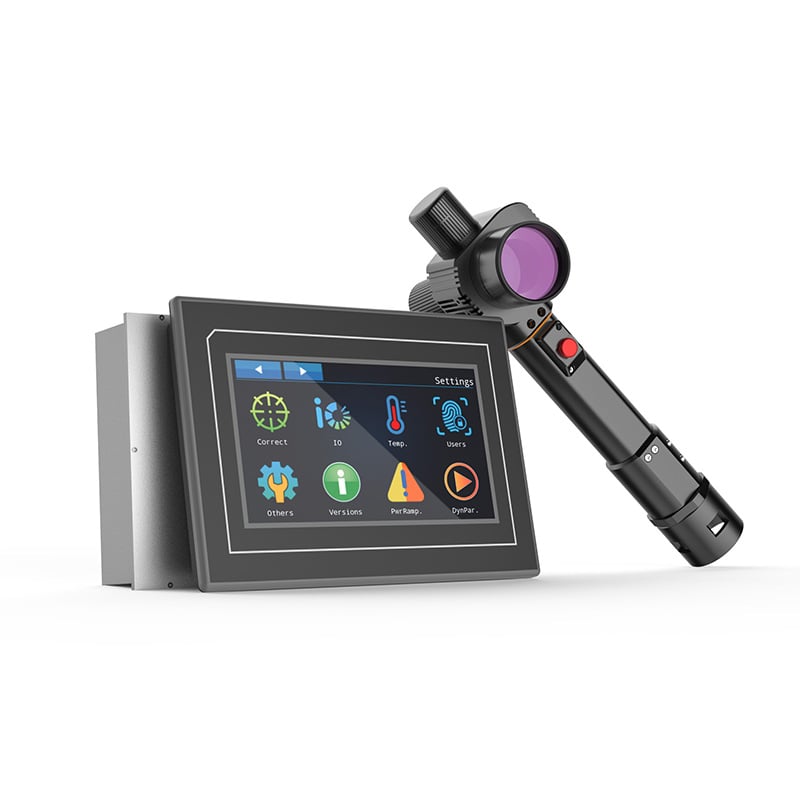
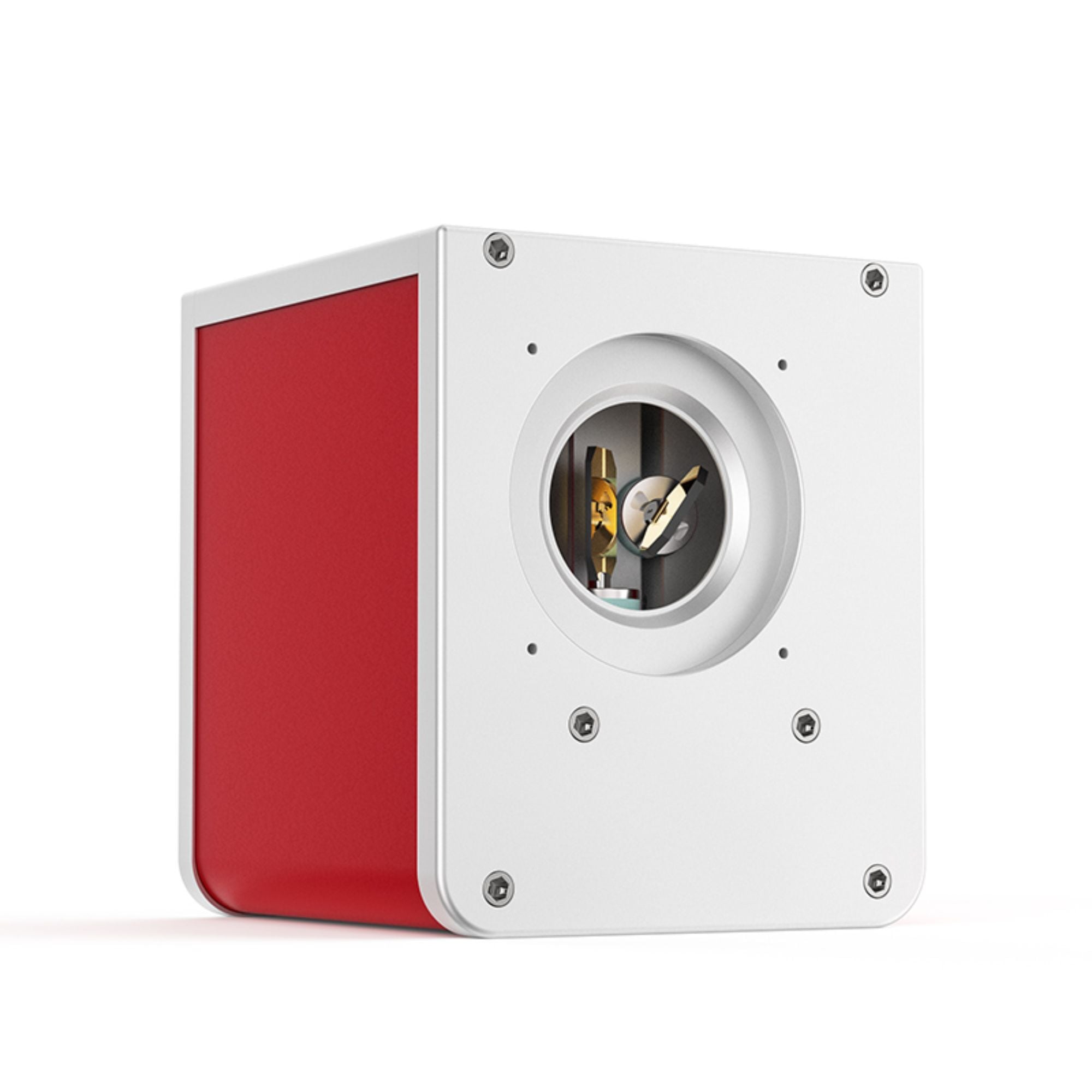
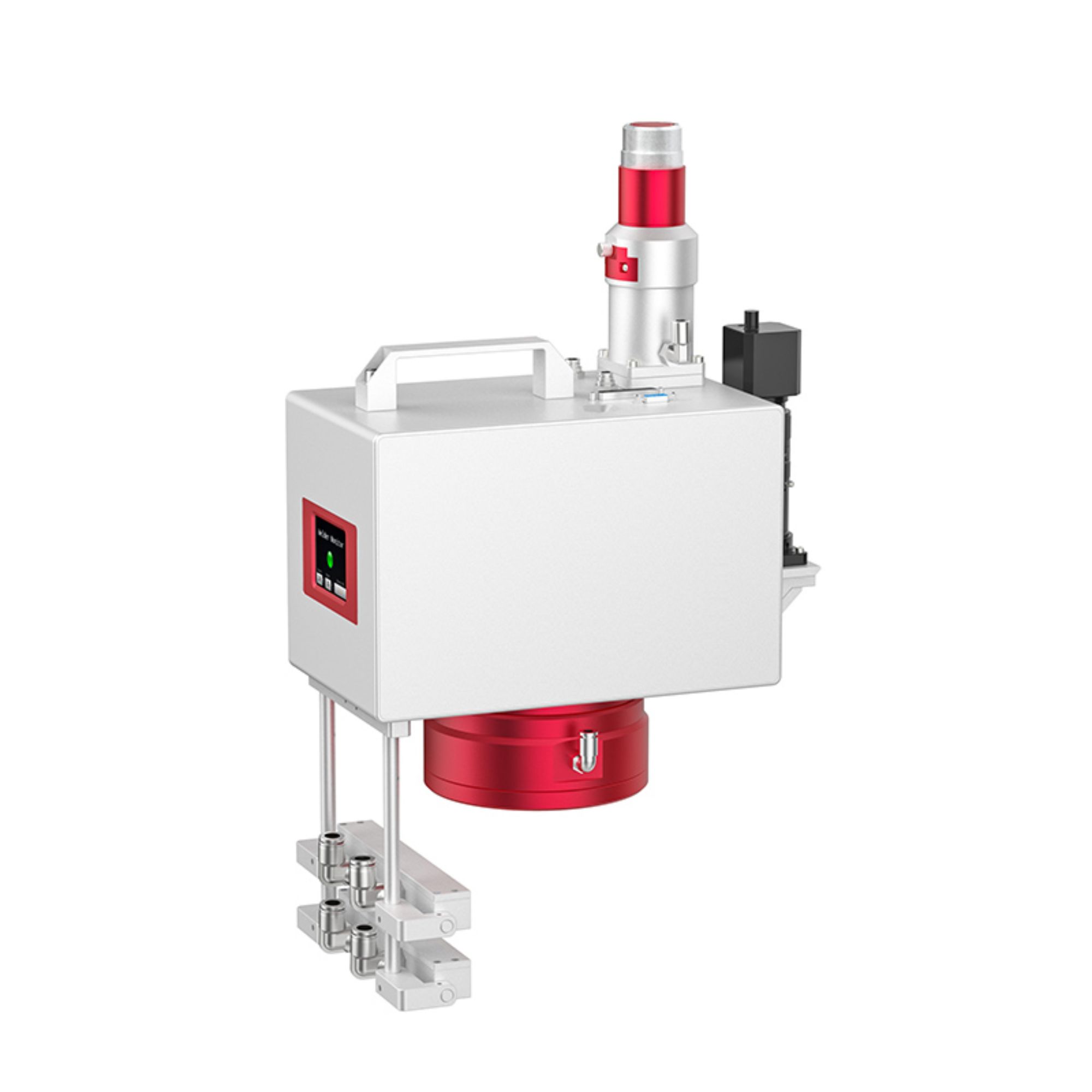
![máy quét galvo độ chính xác cao 8,5 mm ZB2D8AH-Max-[FB]](https://shopcdnalpha.grainajz.com/category/72164/1455/c0c607c035e8f91c0b652b19f6c5e433/%E4%B8%BB%E5%9B%BE%E8%A7%84%E8%8C%831.jpg)