Các quy trình làm sạch công nghiệp đã trải qua một cuộc cách mạng khi các quy định về môi trường ngày càng siết chặt và tính bền vững trở thành ưu tiên chiến lược hàng đầu của doanh nghiệp. Trong số nhiều công nghệ làm sạch hiện có trên thị trường ngày nay, máy làm sạch bằng laser đứng đầu như một giải pháp đột phá, vừa nâng cao hiệu quả vận hành vừa đảm bảo trách nhiệm với môi trường. Công nghệ tiên tiến này đánh dấu một bước chuyển đổi mang tính đột phá so với các phương pháp làm sạch truyền thống dựa trên hóa chất hoặc mài mòn—những phương pháp vốn chiếm ưu thế trong các ứng dụng công nghiệp từ lâu.
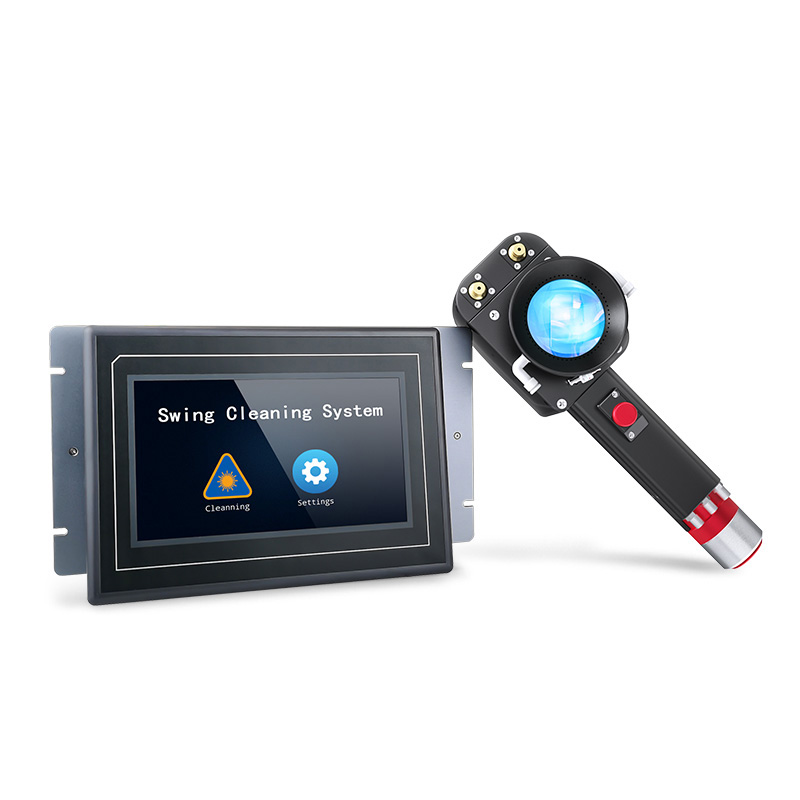
Sự xuất hiện của công nghệ làm sạch bằng laser như một lựa chọn thân thiện với môi trường bắt nguồn từ khả năng đặc biệt của nó trong việc loại bỏ các chất gây nhiễm bẩn, gỉ sét, sơn và các vật liệu không mong muốn khác mà không cần sử dụng hóa chất độc hại hay tạo ra dòng chất thải thứ cấp. Khác với các phương pháp làm sạch thông thường thường sinh ra các sản phẩm phụ độc hại và đòi hỏi quy trình xử lý, tiêu hủy phức tạp, một máy Làm Sạch Laser hoạt động thông qua việc cung cấp chính xác năng lượng photon để làm bốc hơi hoặc thăng hoa các vật liệu mục tiêu, trong khi vẫn giữ nguyên và không làm nhiễm bẩn bề mặt nền.
Lợi thế môi trường quan trọng nhất của máy làm sạch bằng laser nằm ở việc loại bỏ hoàn toàn việc sử dụng hóa chất trong quá trình làm sạch. Các phương pháp làm sạch công nghiệp truyền thống thường dựa vào dung môi, axit, dung dịch kiềm và các hóa chất nguy hiểm khác, góp phần gây ô nhiễm không khí, ô nhiễm nguồn nước và suy thoái đất. Những quy trình dựa trên hóa chất này sinh ra các hợp chất hữu cơ dễ bay hơi (VOC), góp phần hình thành sương khói và gây rủi ro nghiêm trọng đối với sức khỏe người lao động cũng như cộng đồng xung quanh.
Máy làm sạch bằng laser hoạt động hoàn toàn dựa trên việc áp dụng năng lượng laser được kiểm soát, không cần sử dụng bất kỳ chất phụ gia hóa học, dung môi hay chất phản ứng nào. Việc vận hành không dùng hóa chất này loại bỏ gánh nặng môi trường liên quan đến sản xuất, vận chuyển, lưu trữ và xử lý hóa chất. Sự vắng mặt của các khí thải hóa học nghĩa là các cơ sở sử dụng công nghệ làm sạch bằng laser có thể giảm đáng kể dấu chân môi trường của mình trong khi vẫn tuân thủ các quy định ngày càng nghiêm ngặt về chất lượng không khí.
Lợi ích môi trường không chỉ dừng lại ở việc loại bỏ trực tiếp hóa chất mà còn bao gồm việc giảm thiểu chất thải bao bì, phát thải từ vận chuyển và nhu cầu về cơ sở hạ tầng lưu trữ. Các quy trình làm sạch bằng hóa chất thường đòi hỏi chuỗi cung ứng mở rộng đối với các vật liệu nguy hiểm, mỗi khâu trong chuỗi đều góp phần vào phát thải carbon và suy thoái môi trường. Bằng cách áp dụng một máy Làm Sạch Laser , các cơ sở có thể đơn giản hóa đáng kể hồ sơ tác động môi trường của mình đồng thời đạt được kết quả làm sạch vượt trội.
Các quy trình làm sạch truyền thống tạo ra lượng lớn chất thải nguy hại, đòi hỏi các thủ tục xử lý, xử lý và tiêu hủy chuyên biệt. Các dung dịch làm sạch hóa học bị nhiễm bẩn trong quá trình sử dụng và phải được coi là chất thải nguy hại, từ đó phát sinh các nghĩa vụ môi trường kéo dài và chi phí tiêu hủy. Những vật liệu bị nhiễm bẩn này thường phải được vận chuyển đến các cơ sở chuyên biệt để đốt hoặc xử lý hóa học, làm trầm trọng thêm tình trạng suy thoái môi trường.
Máy làm sạch bằng laser loại bỏ việc phát sinh chất thải nguy hại bằng cách chuyển đổi trực tiếp các vật liệu được loại bỏ thành dạng khí hoặc dạng hạt, dễ dàng thu gom và lọc. Quá trình này tạo ra lượng chất thải rắn tối thiểu, và phần vụn nhỏ còn lại chủ yếu bao gồm các chất gây nhiễm ban đầu mà không bị nhiễm hóa chất. Việc giảm đáng kể lượng chất thải nguy hại phát sinh này giúp giảm chi phí xử lý, giảm gánh nặng tuân thủ quy định pháp lý và loại bỏ các nghĩa vụ môi trường dài hạn.
Hơn nữa, việc không phát sinh chất thải nguy hại giúp giảm nguy cơ xảy ra sự cố môi trường, tràn đổ và ô nhiễm — những sự cố thường xuất hiện trong các hoạt động làm sạch bằng hóa chất truyền thống. Hồ sơ an toàn môi trường được cải thiện này khiến máy làm sạch bằng laser trở nên đặc biệt hấp dẫn đối với các cơ sở hoạt động trong khu vực môi trường nhạy cảm hoặc những đơn vị đang nỗ lực giảm thiểu mức độ phơi nhiễm rủi ro môi trường.
Các thiết kế máy làm sạch bằng laser hiện đại tích hợp các hệ thống quản lý năng lượng tiên tiến nhằm tối ưu hóa mức tiêu thụ điện năng dựa trên các yêu cầu làm sạch cụ thể. Khác với các quy trình hóa chất hoạt động liên tục, vốn đòi hỏi đầu vào năng lượng không đổi để đun nóng, khuấy trộn và tuần hoàn, quá trình làm sạch bằng laser hoạt động theo nguyên tắc đáp ứng chính xác nhu cầu, chỉ cung cấp năng lượng khi và ở nơi cần thiết để loại bỏ vật liệu.
Hiệu quả năng lượng của máy làm sạch bằng laser bắt nguồn từ khả năng tập trung chính xác năng lượng cường độ cao lên vật liệu mục tiêu, đồng thời giảm thiểu việc truyền nhiệt sang các vùng lân cận. Cách tiếp cận có tính định hướng này giúp giảm tổng nhu cầu năng lượng so với các phương pháp truyền thống, vốn thường phải đun nóng một khối lượng lớn dung dịch làm sạch hoặc vận hành các hệ thống thông gió tiêu tốn nhiều năng lượng nhằm kiểm soát hơi hóa chất.
Các hệ thống laser tiên tiến tích hợp các thuật toán điều khiển thông minh tự động điều chỉnh công suất đầu ra dựa trên loại vật liệu, mức độ nhiễm bẩn và tiến trình làm sạch. Việc quản lý năng lượng thích ứng này đảm bảo kết quả làm sạch tối ưu đồng thời giảm thiểu mức tiêu thụ năng lượng, góp phần giảm phát thải carbon và chi phí vận hành thấp hơn.
Việc vận hành máy làm sạch bằng laser đòi hỏi cơ sở hạ tầng hỗ trợ ít hơn đáng kể so với các hệ thống làm sạch bằng hóa chất, từ đó mang lại mức tiết kiệm năng lượng lớn trên toàn bộ cơ sở. Các hoạt động làm sạch bằng hóa chất truyền thống thường yêu cầu hệ thống thông gió quy mô lớn, khu vực lưu trữ có sưởi, thiết bị trộn và cơ sở xử lý chất thải—tất cả đều tiêu tốn một lượng năng lượng đáng kể.
Các hệ thống làm sạch bằng laser hoạt động với yêu cầu cơ sở hạ tầng tối thiểu, thường chỉ cần nguồn điện tiêu chuẩn và thiết bị thu gom bụi cơ bản. Việc loại bỏ việc lưu trữ hóa chất, sưởi ấm, thông gió để xử lý hơi độc và các quy trình xử lý chất thải có thể giảm mức tiêu thụ năng lượng của cơ sở từ 30–50% so với các phương pháp làm sạch truyền thống.
Yêu cầu cơ sở hạ tầng giảm thiểu này cũng đồng nghĩa với chi phí năng lượng thấp hơn cho xây dựng và bảo trì, bởi các cơ sở có thể vận hành trên diện tích nhỏ hơn và với các hệ thống cơ khí đơn giản hóa. Tổng lượng tiết kiệm năng lượng trong suốt các giai đoạn xây dựng, vận hành và bảo trì góp phần đáng kể vào lợi ích môi trường tổng thể của công nghệ làm sạch bằng laser.
Việc tiêu thụ nước đại diện cho một vấn đề môi trường nghiêm trọng trong các hoạt động làm sạch công nghiệp, đặc biệt khi nguồn nước ngọt ngày càng khan hiếm ở nhiều khu vực. Các quy trình làm sạch truyền thống thường yêu cầu lượng nước lớn để pha chế dung dịch, xả rửa và xử lý chất thải, gây áp lực đáng kể lên nguồn cung cấp nước địa phương cũng như cơ sở hạ tầng xử lý nước thải.
Máy làm sạch bằng tia laser hoạt động hoàn toàn theo quy trình khô, không cần sử dụng nước trong quá trình làm sạch. Việc vận hành không dùng nước này loại bỏ toàn bộ tác động môi trường liên quan đến khai thác, xử lý, đun nóng và thải bỏ nước. Các cơ sở áp dụng công nghệ làm sạch bằng tia laser có thể giảm lượng nước tiêu thụ hàng nghìn gallon mỗi ngày so với các phương pháp làm sạch truyền thống.
Lợi ích về bảo tồn nước không chỉ giới hạn ở việc giảm tiêu thụ trực tiếp mà còn bao gồm việc giảm lượng nước thải phát sinh và nhu cầu xử lý nước thải. Các hoạt động làm sạch bằng hóa chất tạo ra nước thải bị nhiễm bẩn, cần được xử lý trước khi xả thải, thường đòi hỏi các quy trình xử lý phức tạp tiêu tốn thêm hóa chất và năng lượng. Máy làm sạch bằng laser loại bỏ hoàn toàn dòng nước thải này, giảm gánh nặng cho cơ sở hạ tầng xử lý nước thải và hạn chế tối đa nguy cơ ô nhiễm nguồn nước.
Khả năng làm sạch chính xác của máy làm sạch bằng laser cho phép loại bỏ có chọn lọc các chất gây nhiễm bẩn trong khi vẫn bảo toàn được các vật liệu nền quý giá, từ đó góp phần bảo tồn đáng kể nguyên vật liệu đầu vào. Các phương pháp làm sạch truyền thống thường loại bỏ nhiều vật liệu hơn mức cần thiết, dẫn đến việc thay thế linh kiện sớm hơn và làm gia tăng nhu cầu về nguyên vật liệu.
Công nghệ làm sạch bằng tia laser có thể được điều khiển chính xác để loại bỏ chỉ những lớp bề mặt không mong muốn, đồng thời bảo toàn cấu trúc và tính chất của vật liệu nền. Khả năng làm sạch chọn lọc này giúp kéo dài tuổi thọ linh kiện, giảm tần suất thay thế và tiết kiệm các nguyên vật liệu quý như kim loại, vật liệu compozit và các lớp phủ chuyên dụng.
Khả năng phục hồi thay vì thay thế linh kiện đại diện cho một bước chuyển căn bản hướng tới các nguyên tắc kinh tế tuần hoàn, trong đó vật liệu được duy trì ở trạng thái sử dụng hiệu quả trong thời gian dài thay vì bị loại bỏ và thay mới. Cách tiếp cận này làm giảm nhu cầu khai khoáng và sản xuất, góp phần vào các mục tiêu bảo tồn môi trường rộng lớn hơn.
Các hợp chất hữu cơ dễ bay hơi (VOC) là một trong những vấn đề môi trường nghiêm trọng nhất liên quan đến các quy trình làm sạch công nghiệp truyền thống. Các dung môi hóa chất và chất tẩy rửa thải ra VOC trong quá trình sử dụng, lưu trữ và xử lý, góp phần hình thành ôzôn ở tầng đối lưu, phát triển sương khói và gây ảnh hưởng xấu đến sức khỏe người lao động cũng như cộng đồng xung quanh.
Máy làm sạch bằng tia laser loại bỏ hoàn toàn phát thải VOC nhờ hoạt động không sử dụng hóa chất. Khác với phương pháp làm sạch bằng dung môi — vốn liên tục giải phóng hơi hữu cơ vào khí quyển — quá trình làm sạch bằng tia laser không sinh ra bất kỳ phát thải VOC nào trong suốt thời gian vận hành. Việc loại bỏ hoàn toàn phát thải VOC này góp phần cải thiện chất lượng không khí cả bên trong các cơ sở công nghiệp lẫn tại các cộng đồng lân cận.
Việc không phát thải các hợp chất hữu cơ dễ bay hơi (VOC) từ các hoạt động làm sạch bằng tia laser giúp các cơ sở duy trì việc tuân thủ các quy định về chất lượng không khí, đồng thời góp phần vào các mục tiêu rộng lớn hơn về sức khỏe môi trường. Việc loại bỏ hoàn toàn phát thải này đặc biệt có giá trị tại các khu vực đô thị hoặc những vùng nhạy cảm về môi trường, nơi các tiêu chuẩn chất lượng không khí được thực thi một cách nghiêm ngặt.
Các phương pháp làm sạch mài mòn truyền thống tạo ra lượng lớn vật chất dạng hạt lơ lửng trong không khí, có thể gây ra các vấn đề về sức khỏe đường hô hấp cũng như suy thoái môi trường. Phun cát, mài và các quy trình làm sạch cơ học khác tạo ra các đám bụi chứa cả vật liệu mài mòn lẫn các chất gây ô nhiễm bị loại bỏ, do đó đòi hỏi hệ thống thu gom và lọc bụi quy mô lớn.
Máy làm sạch bằng laser sinh ra lượng chất dạng hạt cực kỳ thấp so với các phương pháp mài mòn, và các hạt được tạo ra có thể dễ dàng thu giữ bằng thiết bị lọc tiêu chuẩn. Quá trình bay hơi có kiểm soát được sử dụng trong làm sạch bằng laser giúp giảm thiểu việc sinh ra các hạt có khả năng hít phải, từ đó giảm tác động đến môi trường cũng như rủi ro đối với sức khỏe người lao động.
Việc giảm lượng chất dạng hạt phát sinh từ các hoạt động làm sạch bằng laser góp phần cải thiện chất lượng không khí tại nơi làm việc và giảm gánh nặng môi trường do phát thải bụi. Lợi ích này đặc biệt quan trọng ở các khu vực đô thị, nơi chất dạng hạt góp phần gây ô nhiễm không khí và ảnh hưởng đến sức khỏe cộng đồng.
Thiết kế chắc chắn và đặc tính mài mòn tối thiểu của máy làm sạch bằng laser góp phần nâng cao tuổi thọ thiết bị một cách xuất sắc, từ đó giảm tác động đến môi trường liên quan đến việc thay thế thiết bị thường xuyên và sản xuất mới. Các thiết bị làm sạch truyền thống thường chịu ảnh hưởng bởi ăn mòn hóa chất, mài mòn cơ học và nhiễm bẩn, dẫn đến nhu cầu thay thế định kỳ hoặc đại tu quy mô lớn.
Các hệ thống làm sạch bằng laser được thiết kế để hoạt động lâu dài với yêu cầu bảo trì tối thiểu. Việc không sử dụng hóa chất loại bỏ hoàn toàn nguy cơ ăn mòn, trong khi tính chất liên hệ không tiếp xúc cơ học của phương pháp làm sạch bằng laser loại bỏ hao mòn cơ học trên các bộ phận làm sạch. Độ bền vượt trội này giúp giảm tần suất thay thế thiết bị, tiết kiệm tài nguyên sản xuất và giảm lượng chất thải công nghiệp.
Tuổi thọ vận hành kéo dài của thiết bị làm sạch bằng laser dẫn đến nhu cầu giảm thiểu nguyên vật liệu thô, năng lượng sản xuất và tài nguyên vận chuyển liên quan đến sản xuất và thay thế thiết bị. Lợi ích môi trường trong suốt vòng đời này đại diện cho một lợi thế đáng kể so với các công nghệ làm sạch truyền thống, vốn yêu cầu thay thế thiết bị thường xuyên.
Các lợi ích môi trường vốn có của máy làm sạch bằng laser đặt công nghệ này ở vị trí là một giải pháp sẵn sàng cho tương lai, có khả năng thích ứng với các quy định môi trường ngày càng nghiêm ngặt mà không cần thiết kế lại hệ thống từ gốc. Khi các tiêu chuẩn môi trường tiếp tục phát triển, các phương pháp làm sạch dựa trên hóa chất có thể phải đối mặt với thêm các hạn chế hoặc lệnh cấm, trong khi công nghệ làm sạch bằng laser vẫn luôn tuân thủ các quy định một cách tự nhiên.
Tính chất mô-đun và có thể nâng cấp của các hệ thống làm sạch bằng laser cho phép các cơ sở nâng cao hiệu suất môi trường thông qua các bản cập nhật phần mềm và cải tiến linh kiện mà không cần thay thế toàn bộ hệ thống. Tính linh hoạt này đảm bảo rằng các khoản đầu tư vào công nghệ làm sạch bằng laser luôn giữ được giá trị khi các tiêu chuẩn môi trường thay đổi và các yêu cầu về tính bền vững ngày càng khắt khe hơn.
Khả năng mở rộng của công nghệ làm sạch bằng laser cho phép các cơ sở mở rộng lợi ích môi trường khi quy mô hoạt động tăng lên, đồng thời duy trì hiệu suất thân thiện với môi trường một cách ổn định trên mọi mức độ sản xuất và yêu cầu ứng dụng khác nhau. Khả năng mở rộng này hỗ trợ việc lập kế hoạch bền vững dài hạn cũng như hiện thực hóa các mục tiêu môi trường.
Máy làm sạch bằng tia laser mang lại hiệu suất môi trường vượt trội đáng kể so với các phương pháp làm sạch bằng hóa chất. Trong khi làm sạch bằng hóa chất sinh ra chất thải nguy hại, phát thải các hợp chất hữu cơ dễ bay hơi (VOC) và đòi hỏi lượng nước tiêu thụ lớn, thì làm sạch bằng tia laser hoạt động mà không cần hóa chất, không tạo ra chất thải nguy hại và loại bỏ hoàn toàn việc sử dụng nước. Các lợi ích về môi trường bao gồm: không phát thải hóa chất, không có dòng chất thải bị nhiễm bẩn, giảm tiêu thụ năng lượng và loại bỏ các nghĩa vụ môi trường dài hạn liên quan đến việc xử lý vật liệu nguy hại.
Công nghệ làm sạch bằng tia laser đạt được hiệu quả sử dụng năng lượng vượt trội nhờ việc cung cấp năng lượng chính xác và giảm yêu cầu về cơ sở hạ tầng. Khác với các phương pháp truyền thống đòi hỏi hệ thống sưởi liên tục, khuấy trộn và thông gió, máy làm sạch bằng tia laser chỉ cung cấp năng lượng khi và ở nơi cần thiết. Việc loại bỏ quá trình đun nóng hóa chất, hệ thống thông gió quy mô lớn và các quy trình xử lý chất thải có thể giúp giảm mức tiêu thụ năng lượng của cơ sở từ 30–50% so với các hoạt động làm sạch truyền thống.
Máy làm sạch bằng laser có thể thay thế hiệu quả việc làm sạch bằng hóa chất trong hầu hết các ứng dụng công nghiệp, đặc biệt là trong chuẩn bị bề mặt, loại bỏ gỉ sét, bóc lớp sơn và loại bỏ các chất gây nhiễm bẩn. Công nghệ này phù hợp với kim loại, vật liệu compozit, đá và nhiều loại vật liệu khác. Tuy nhiên, một số ứng dụng chuyên biệt vẫn có thể yêu cầu quy trình xử lý bằng hóa chất. Lợi thế nổi bật của làm sạch bằng laser là khả năng thực hiện phần lớn các tác vụ làm sạch công nghiệp đồng thời mang lại lợi ích môi trường vượt trội và hiệu quả vận hành cao.
Lợi ích trong quản lý chất thải của máy làm sạch bằng tia laser bao gồm việc loại bỏ việc phát sinh chất thải nguy hại, giảm sản lượng chất thải rắn và đơn giản hóa các quy trình xử lý. Phương pháp làm sạch bằng hóa chất truyền thống tạo ra các dung dịch bị nhiễm bẩn, đòi hỏi phải xử lý chất thải nguy hại theo quy trình chuyên biệt, trong khi làm sạch bằng tia laser chỉ sinh ra lượng chất thải tối thiểu, chủ yếu là các chất gây nhiễm đã bị bay hơi và có thể dễ dàng thu giữ cũng như lọc bỏ. Việc giảm đáng kể lượng chất thải này giúp loại bỏ chi phí xử lý, giảm gánh nặng tuân thủ quy định pháp lý và loại bỏ các nghĩa vụ môi trường kéo dài.
 Tin nóng
2026-04-02
2026-04-09
2026-04-08
2026-04-06
2026-04-02
2026-03-31

tầng 6, Block B, Tòa nhà Công nghệ Wanhe, Số 7 Đường Huitong, Quận Guangming, Thâm Quyến, Tỉnh Quảng Đông
Bản quyền © 2026 Công ty TNHH Công nghệ Shenzhen Zbtk. Chính sách bảo mật
 EN
EN