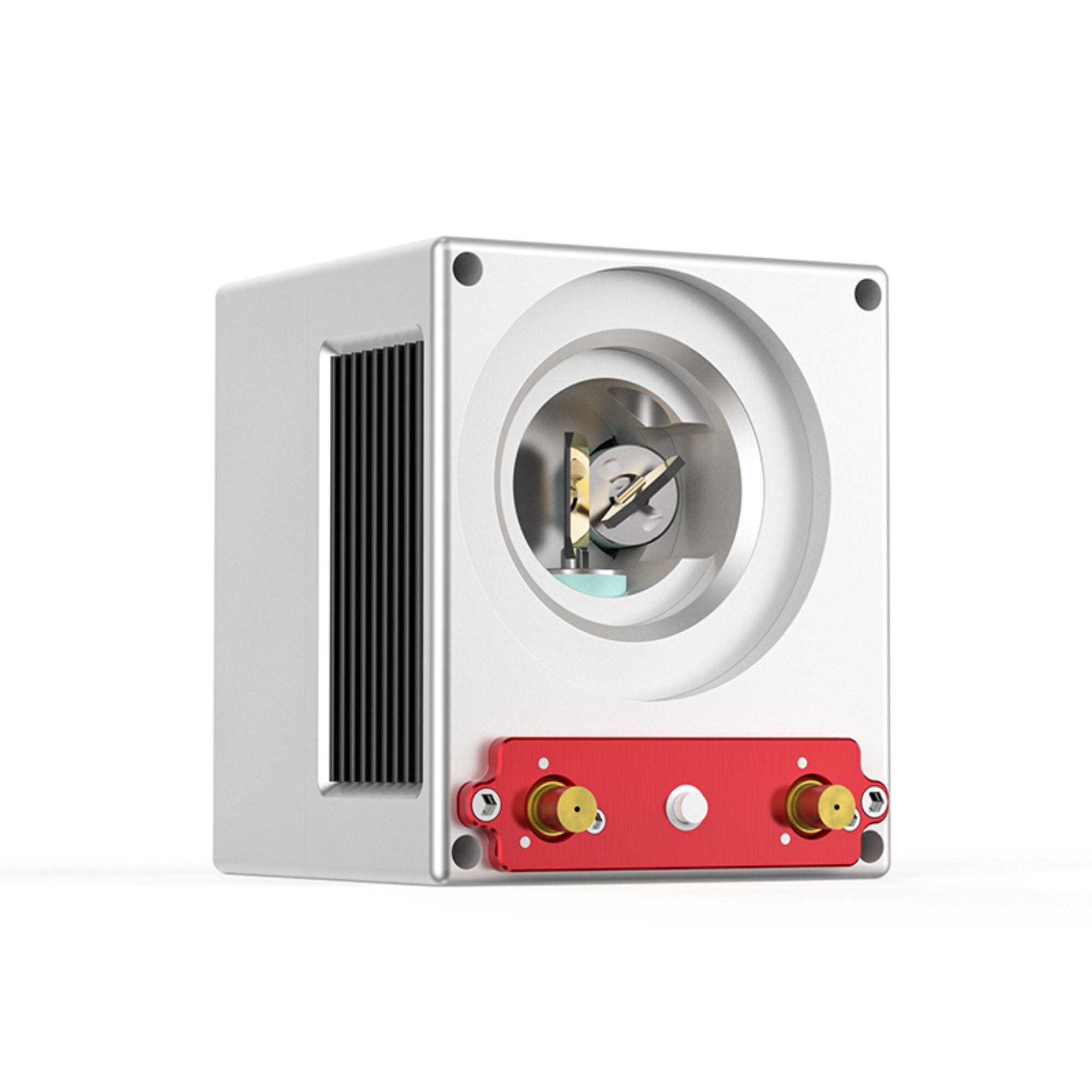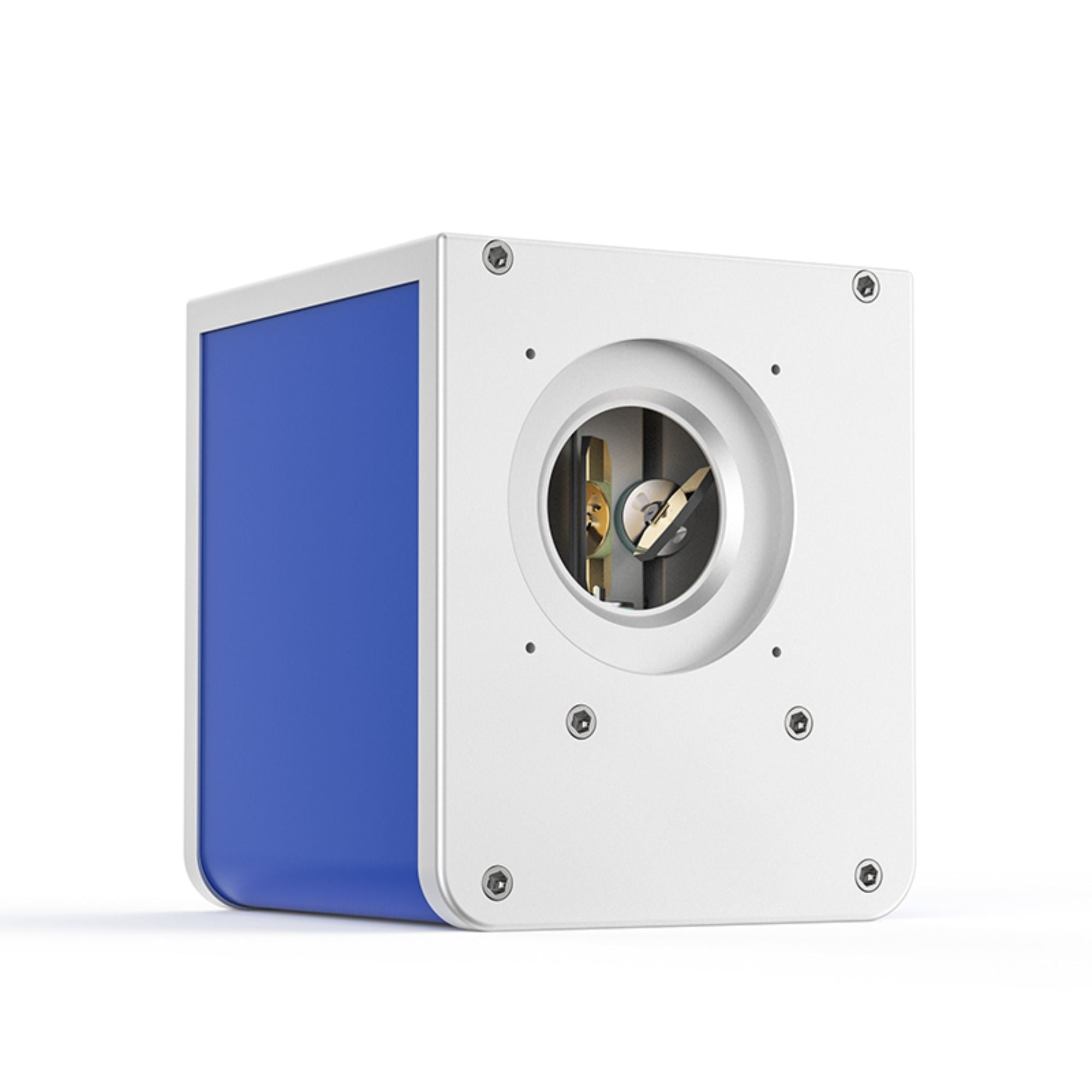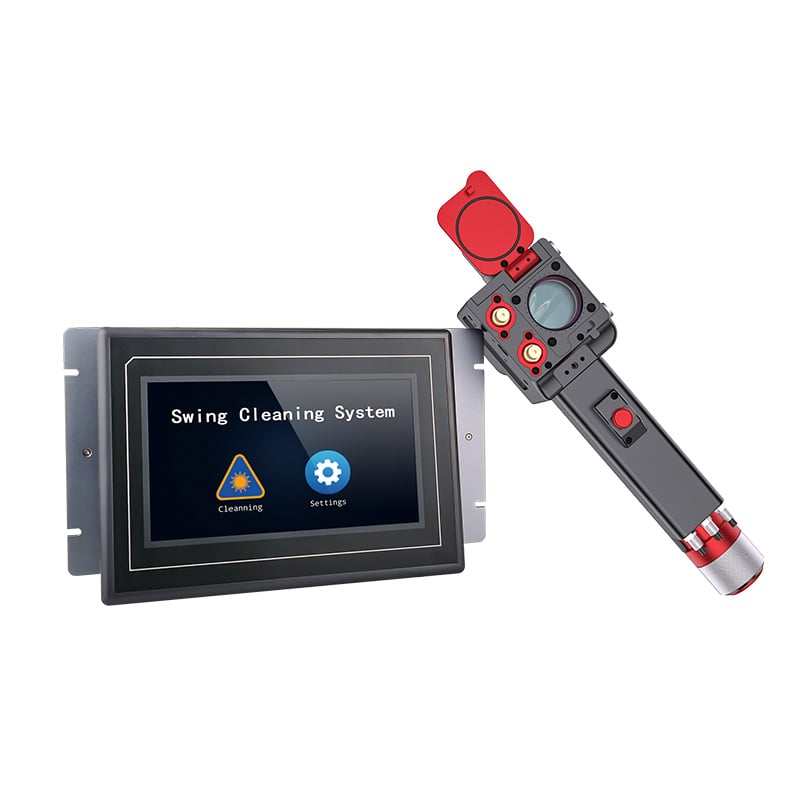
Selecting the appropriate power rating for a laser cleaning machine when targeting heavy rust removal requires careful consideration of multiple technical and operational factors. The power output directly influences cleaning efficiency, processing speed, and the depth of rust penetration that can be effectively removed. Understanding how laser power correlates with rust removal capabilities ensures optimal investment decisions and operational performance for industrial cleaning applications.
Heavy rust removal presents unique challenges that distinguish it from lighter surface cleaning tasks, demanding specific power thresholds and beam characteristics to achieve effective results. The selection process involves analyzing substrate materials, rust severity levels, production throughput requirements, and operational constraints to determine the minimum power specifications needed for successful cleaning outcomes. A systematic approach to power selection prevents both under-specification that leads to inadequate cleaning and over-specification that increases equipment costs unnecessarily.
Heavy rust formation typically penetrates several millimeters into the base metal surface, creating dense oxide layers that require substantial energy input for complete removal. The power density of a laser cleaning machine must exceed the ablation threshold of iron oxides while maintaining controlled heat input to prevent substrate damage. Rust depth measurements using ultrasonic thickness gauges or visual inspection guides help determine the minimum power requirements for effective penetration and removal.
Dense rust formations often contain multiple oxide types including magnetite, hematite, and hydrated iron oxides, each requiring different energy levels for vaporization. A laser cleaning machine operating at insufficient power will only remove surface layers, leaving embedded rust particles that promote rapid re-oxidation. Power calculations must account for the cumulative energy needed to process all rust layers down to clean metal substrate.
Different base metals exhibit varying thermal conductivity and absorption characteristics that influence the required laser power for effective rust removal. Carbon steel substrates typically require higher power densities due to their thermal conductivity, while stainless steel and aluminum alloys may achieve satisfactory cleaning at lower power levels. The laser cleaning machine power selection must consider substrate thickness, as thin materials require more precise power control to prevent burn-through or warping.
Heat-affected zone management becomes critical when selecting laser power for heavy rust removal on sensitive substrates. Excessive power can alter metallurgical properties, introduce residual stresses, or cause dimensional changes in precision components. The optimal power range balances cleaning effectiveness with substrate preservation, often requiring adjustable power settings for different material types within the same facility.
Laser cleaning machines in the 500W to 1000W range typically handle light to moderate rust removal applications but may struggle with heavy rust formations exceeding 2-3 millimeters in depth. These systems work effectively on recently formed rust or maintenance cleaning scenarios where regular intervention prevents heavy buildup. Processing speeds in this power range often require multiple passes for heavy rust removal, significantly impacting production throughput and operational efficiency.
While lower power systems offer reduced operating costs and simpler safety requirements, they may prove inadequate for industrial heavy rust removal tasks. The extended processing times required can offset the initial equipment savings, particularly in high-volume production environments where cleaning speed directly impacts overall productivity. Careful evaluation of rust severity and processing volume requirements helps determine whether low power options meet operational needs.
The 1000W to 2000W power range represents a practical compromise for many heavy rust removal applications, providing sufficient energy density for effective cleaning while maintaining reasonable operating costs. A laser cleaning machine in this range can typically remove rust depths up to 5-6 millimeters in single-pass operations, depending on rust density and substrate characteristics. Processing speeds increase significantly compared to lower power options, improving production throughput and operational efficiency.
Medium power systems offer greater flexibility for handling varying rust conditions within the same facility, with adjustable power settings accommodating both heavy and light cleaning requirements. The improved cleaning speed reduces labor costs and equipment utilization time, often justifying the higher initial investment through improved operational efficiency. Heat management systems in this power range typically provide better control over substrate temperature, reducing the risk of thermal damage during extended cleaning operations.
Laser cleaning machines exceeding 2000W power output excel in heavy industrial rust removal applications where maximum cleaning speed and penetration depth are essential. These systems can effectively remove rust formations exceeding 8-10 millimeters in depth while maintaining high processing speeds suitable for production line integration. The increased power density enables single-pass cleaning of heavily rusted components, significantly reducing processing time and labor requirements.
High power systems typically incorporate advanced beam shaping and power modulation capabilities that optimize energy delivery for specific rust removal tasks. The laser cleaning machine configurations in this range often feature rapid scanning systems and automated power adjustment based on real-time feedback, maximizing cleaning efficiency while minimizing substrate heat input. Operating costs increase with higher power systems, but the improved productivity often provides favorable return on investment calculations for high-volume applications.
Developing a systematic approach to power selection begins with comprehensive documentation of rust removal requirements, including typical rust depths, substrate materials, component geometries, and production volume expectations. Sample testing with different power levels provides empirical data on cleaning effectiveness, processing speeds, and substrate impact for specific applications. This baseline assessment guides power specification decisions and helps establish realistic performance expectations.
Production throughput analysis quantifies the relationship between laser cleaning machine power and operational efficiency, enabling cost-benefit calculations that justify power selection decisions. Processing time measurements across different rust conditions and power levels reveal the minimum power threshold for acceptable productivity. Integration requirements with existing production systems may impose additional constraints on power selection, particularly regarding cycle times and automated operation capabilities.
Power selection impacts both initial equipment investment and ongoing operational costs, requiring balanced evaluation of acquisition costs against long-term productivity benefits. Higher power laser cleaning machines command premium pricing but often reduce labor costs, processing time, and consumable usage that can offset initial investment differences. Total cost of ownership calculations should include equipment purchase price, installation costs, energy consumption, maintenance requirements, and productivity improvements.
Return on investment analysis helps determine the optimal power level that balances cleaning performance with financial constraints. Production volume projections and labor cost analysis provide the baseline for calculating payback periods at different power levels. Energy efficiency considerations become increasingly important at higher power levels, where electricity consumption represents a significant portion of operational costs.
Implementing comprehensive testing protocols ensures that selected laser cleaning machine power specifications meet heavy rust removal requirements before final equipment purchase. Sample testing should include worst-case rust conditions, various substrate materials, and representative component geometries to validate cleaning performance across the expected application range. Documentation of cleaning results, processing times, and substrate condition provides objective data for power selection validation.
Quality control measures during testing help identify optimal power settings for different rust conditions and establish standard operating procedures for consistent results. Surface roughness measurements, adhesion testing, and metallurgical analysis verify that cleaning processes achieve required quality standards without adverse substrate effects. Power optimization testing may reveal opportunities for variable power programming that adapts to changing rust conditions automatically.
Successful integration of laser cleaning machines requires careful planning for power supply requirements, safety systems, and operator training programs that accommodate the selected power level. Higher power systems typically require enhanced ventilation, fume extraction, and safety interlocks that must be incorporated into facility planning. Power distribution infrastructure may need upgrading to support high-power laser systems while maintaining stable operation of other equipment.
Training programs must address the specific power characteristics and safety requirements of the selected laser cleaning machine configuration. Operator certification should include hands-on experience with power adjustment procedures, safety protocols, and maintenance requirements specific to the power level being implemented. Ongoing performance monitoring helps optimize power settings and identify opportunities for efficiency improvements as operators gain experience with the equipment.
Heavy rust removal exceeding 5mm depth typically requires laser cleaning machines with minimum power ratings of 1500W to 2000W, depending on substrate material and rust density. Carbon steel substrates may require higher power levels due to thermal conductivity, while softer metals achieve effective cleaning at lower power thresholds. Single-pass removal of 5mm+ rust depths generally necessitates power densities above 100 watts per square centimeter to achieve adequate penetration and vaporization rates.
Substrate thickness directly affects heat dissipation characteristics and maximum allowable power density to prevent thermal damage or dimensional distortion. Thin substrates under 5mm thickness require more precise power control and often benefit from pulsed laser systems that minimize heat input while maintaining cleaning effectiveness. Thick substrates above 20mm can accommodate higher continuous power levels due to improved heat sink capacity, enabling faster processing speeds and deeper rust penetration capabilities.
Variable power control significantly enhances cleaning efficiency by automatically adjusting energy output based on real-time feedback from rust density sensors and cleaning progress monitoring. Advanced laser cleaning machines incorporate adaptive power algorithms that optimize energy delivery for varying rust conditions within the same component, reducing processing time and minimizing substrate heat input. This capability proves particularly valuable in production environments where rust severity varies between parts or across component surfaces.
Automated production line integration typically benefits from laser cleaning machines in the 2000W to 3000W range that provide consistent high-speed cleaning with minimal cycle time variation. Higher power systems enable single-pass cleaning operations that integrate seamlessly with conveyor systems and robotic handling equipment. The power selection must accommodate worst-case rust conditions while maintaining cycle times compatible with overall production line speeds, often requiring 20-30% power margin above minimum cleaning requirements to ensure consistent performance.
 Hot News
2026-04-02
2026-04-09
2026-04-08
2026-04-06
2026-04-02
2026-03-31

6th Floor, Block B, Wanhe Technology Building, No. 7 Huitong Road, Guangming District, Shenzhen ,Guangdong Province
Copyright © 2026 Shenzhen Zbtk Technology Co., Ltd. Privacy policy
 EN
EN