The choice between laser cleaning machines and traditional sandblasting methods represents a critical safety decision for industrial operations worldwide. While sandblasting has been the go-to surface preparation technique for decades, the emergence of laser cleaning technology has fundamentally changed the safety landscape in manufacturing, restoration, and maintenance industries. Understanding the safety advantages of laser cleaning machines over sandblasting is essential for facility managers, safety officers, and operations teams seeking to protect their workforce while maintaining productivity standards.
Modern industrial safety standards demand comprehensive risk assessment when comparing surface cleaning technologies. A laser cleaning machine operates through precise photonic energy delivery, eliminating many of the hazardous conditions inherent in abrasive blasting processes. This technological advancement has created measurable improvements in workplace safety metrics, reduced insurance claims, and enhanced compliance with occupational health regulations across multiple industries.
The most significant safety advantage of laser cleaning machines lies in their ability to eliminate dangerous airborne particulates that plague sandblasting operations. Traditional sandblasting generates massive quantities of silica dust, metal particles, and coating debris that pose severe respiratory risks to workers. These microscopic particles can penetrate deep into lung tissue, causing silicosis, pneumoconiosis, and other chronic respiratory diseases that may not manifest for years after exposure.
A laser cleaning machine produces minimal airborne contamination because the cleaning process vaporizes surface contaminants at the molecular level rather than mechanically abrading them into respirable particles. The controlled thermal process creates small amounts of vapor that can be easily contained and filtered, dramatically reducing the risk of inhalation exposure. This fundamental difference in cleaning mechanism translates to measurably cleaner air quality in the work environment.
Independent air quality monitoring studies have shown that laser cleaning operations typically produce less than one percent of the airborne particulate matter generated by equivalent sandblasting processes. This reduction in respiratory hazards directly correlates to fewer worker compensation claims, reduced medical surveillance costs, and improved long-term employee health outcomes.
The minimal particulate generation from laser cleaning machines significantly reduces the complexity and cost of respiratory protection programs. While sandblasting operations require supplied-air respirators, full-face masks, and extensive fit-testing protocols, laser cleaning typically requires only basic dust masks or half-face respirators in most applications. This simplification reduces equipment costs, training requirements, and the physical burden on operators.
The reduced reliance on heavy respiratory equipment also improves operator comfort and productivity. Workers using a laser cleaning machine experience better visibility, reduced heat stress, and greater mobility compared to their counterparts in full sandblasting protective gear. This comfort improvement translates to better work quality, reduced fatigue-related accidents, and improved overall safety performance.
Furthermore, the simplified respiratory protection requirements reduce the administrative burden of maintaining complex safety programs. Safety managers report significant time savings in equipment inspection, maintenance, and compliance documentation when transitioning from sandblasting to laser cleaning technologies.
Sandblasting operations inherently involve handling and dispersing abrasive materials that present multiple chemical and physical hazards. Silica sand, steel grit, aluminum oxide, and other abrasive media can contain trace amounts of toxic substances, crystalline silica, and heavy metals that pose significant health risks. The high-velocity impact of these materials also creates friction heat that can release toxic vapors from surface coatings and substrates.
A laser cleaning machine eliminates these chemical exposure pathways entirely by using only light energy to remove surface contaminants. There are no abrasive materials to handle, store, or dispose of, which removes multiple points of potential worker exposure. This elimination of chemical hazards simplifies safety protocols, reduces environmental compliance requirements, and minimizes the risk of acute or chronic poisoning incidents.
The absence of abrasive materials also eliminates the risk of skin and eye injuries from flying particles. Sandblasting operations frequently result in embedded particles, cuts, and abrasions from ricocheting media, even with proper protective equipment. Laser cleaning machines operate with contained energy beams that present no projectile hazards to operators or nearby workers.
When laser cleaning machines remove coatings or contaminants, the process generates small amounts of vapor that can be precisely controlled and captured. Unlike sandblasting, which creates chaotic dust clouds that are difficult to contain, laser systems allow for targeted extraction and filtration of any emissions generated during the cleaning process. This controlled approach ensures that toxic vapors from paint, rust inhibitors, or industrial coatings are safely captured before they can expose workers.
Modern laser cleaning systems incorporate integrated fume extraction and filtration systems that maintain negative pressure around the cleaning zone. This engineering approach ensures that any vapors generated during the cleaning process are immediately captured and processed through appropriate filtration media. The result is a dramatically reduced risk of chemical exposure compared to the uncontrolled particulate dispersion characteristic of sandblasting operations.
The predictable and controllable nature of vapor generation from laser cleaning also enables more accurate exposure assessment and monitoring. Safety professionals can implement targeted air sampling programs and establish precise exposure controls based on the specific materials being cleaned, rather than managing the complex mixture of hazards present in sandblasting environments.
Operating a laser cleaning machine places significantly less physical stress on workers compared to traditional sandblasting equipment. Sandblasting requires operators to manage heavy hoses, maintain proper nozzle positioning against significant back-pressure, and work while wearing bulky protective equipment that restricts movement and visibility. This combination of physical demands frequently leads to musculoskeletal injuries, particularly in the back, shoulders, and arms.
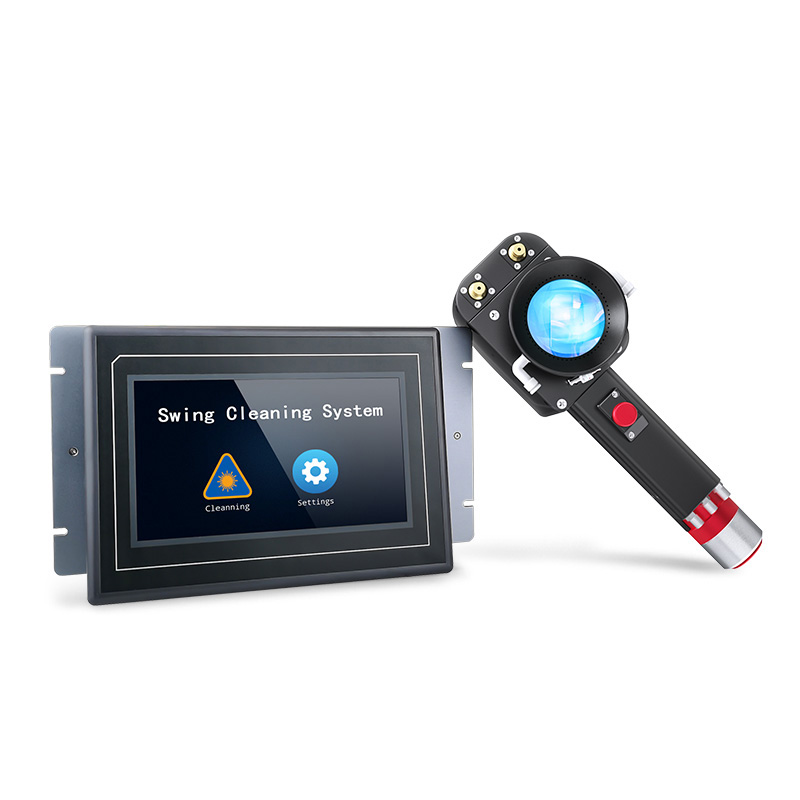
Laser cleaning systems typically feature lightweight handheld units or automated scanning heads that require minimal physical effort to operate. The precision nature of laser cleaning allows operators to work more efficiently with better posture and reduced repetitive motion stress. The elimination of heavy protective equipment further reduces the physical burden on workers, leading to improved job satisfaction and reduced injury rates.
Ergonomic studies conducted in industrial settings show that workers using laser cleaning machines report significantly lower rates of fatigue, back strain, and repetitive stress injuries compared to sandblasting operators. This improvement in worker comfort translates to better productivity, reduced absenteeism, and lower workers' compensation costs for employers.
The controlled nature of laser cleaning processes provides operators with superior visibility and precision compared to sandblasting operations. Sandblasting creates dense dust clouds that obscure visibility even with proper lighting, forcing operators to work blind or pause frequently to assess their progress. This reduced visibility increases the risk of accidents, improper cleaning, and collisions with equipment or structures.
A laser cleaning machine operates with minimal visual obstruction, allowing operators to maintain clear sight lines to their work area and surrounding environment. This improved visibility enables better quality control, more precise cleaning, and enhanced awareness of potential safety hazards. Operators can immediately identify and respond to changing conditions, equipment malfunctions, or safety concerns without the sensory impairment common in sandblasting environments.
The precision control offered by laser systems also reduces the risk of over-cleaning or substrate damage that can create safety hazards. Unlike sandblasting, which can quickly remove too much material or create surface roughness that poses cut and snag hazards, laser cleaning can be precisely controlled to remove only the intended surface layer while preserving substrate integrity.
Sandblasting operations generate enormous quantities of hazardous waste that must be properly contained, characterized, and disposed of according to strict environmental regulations. Used abrasive media becomes contaminated with removed coatings, heavy metals, and other toxic substances, creating a complex waste stream that poses ongoing safety risks during collection, transportation, and disposal activities.
Laser cleaning machines produce minimal waste because the cleaning process converts most contaminants to vapor that can be filtered and neutralized. The small amount of residue generated is typically easier to characterize and dispose of safely compared to the bulk waste streams from sandblasting. This waste reduction eliminates many handling hazards and reduces the risk of environmental contamination that could create long-term liability issues.
The reduced waste generation from laser cleaning also simplifies site remediation and cleanup procedures. Sandblasting sites often require extensive decontamination efforts to address embedded particles and scattered abrasive media, while laser cleaning areas typically require only routine cleaning procedures. This simplification reduces worker exposure to contaminated environments during cleanup activities.
The contained nature of laser cleaning processes prevents the widespread contamination that commonly occurs during sandblasting operations. Sandblasting creates contaminated dust that settles on surfaces throughout the work area, potentially exposing workers in adjacent areas to hazardous materials. This secondary contamination can persist for extended periods and create ongoing exposure risks even after the primary cleaning work is completed.
A laser cleaning machine operates with precise energy delivery that prevents the migration of contaminants beyond the immediate work zone. The ability to capture and filter emissions at the source ensures that surrounding areas remain uncontaminated, protecting workers in nearby locations and reducing the scope of required safety measures. This containment approach also prevents cross-contamination of clean areas and reduces the risk of tracking contaminants to other facility locations.
The prevention of secondary contamination through laser cleaning also reduces long-term maintenance and safety burdens. Facilities that use laser cleaning report fewer instances of contamination discovery in unexpected locations, reduced need for extensive environmental testing, and lower ongoing exposure risks for maintenance personnel working in previously cleaned areas.
Laser cleaning machines operate at significantly lower noise levels than sandblasting equipment, typically producing 60-70 decibels compared to sandblasting's 90-110 decibels. This reduction eliminates the risk of noise-induced hearing loss and reduces the need for comprehensive hearing protection programs. Workers can communicate more effectively during laser cleaning operations, improving coordination and safety awareness in the work environment.
Safe laser cleaning machine operation requires focused training on laser safety protocols, proper personal protective equipment use, and understanding of the specific cleaning parameters for different materials. Training programs are typically shorter and less complex than sandblasting certification because laser systems have fewer variables and safety hazards. Most operators can be trained to safe competency levels in 1-2 days compared to weeks of training required for sandblasting certification.
While laser cleaning machines eliminate many traditional safety hazards, they do introduce specific laser safety considerations including eye protection from laser radiation and proper handling procedures to prevent burns. However, these risks are well-understood and easily managed through standard laser safety protocols, proper equipment design with safety interlocks, and appropriate personal protective equipment. The overall risk profile is significantly lower than sandblasting operations.
Many insurance providers offer reduced premiums and improved coverage terms for facilities that implement laser cleaning technology due to the documented safety improvements and reduced claim frequency. The elimination of respiratory hazards, reduced environmental liability, and lower accident rates make laser cleaning operations significantly less risky from an insurance perspective. Some insurers now require detailed risk assessments comparing laser cleaning to sandblasting when underwriting industrial operations.
 Hot News
2026-04-02
2026-04-09
2026-04-08
2026-04-06
2026-04-02
2026-03-31

6th Floor, Block B, Wanhe Technology Building, No. 7 Huitong Road, Guangming District, Shenzhen ,Guangdong Province
Copyright © 2026 Shenzhen Zbtk Technology Co., Ltd. Privacy policy
 EN
EN
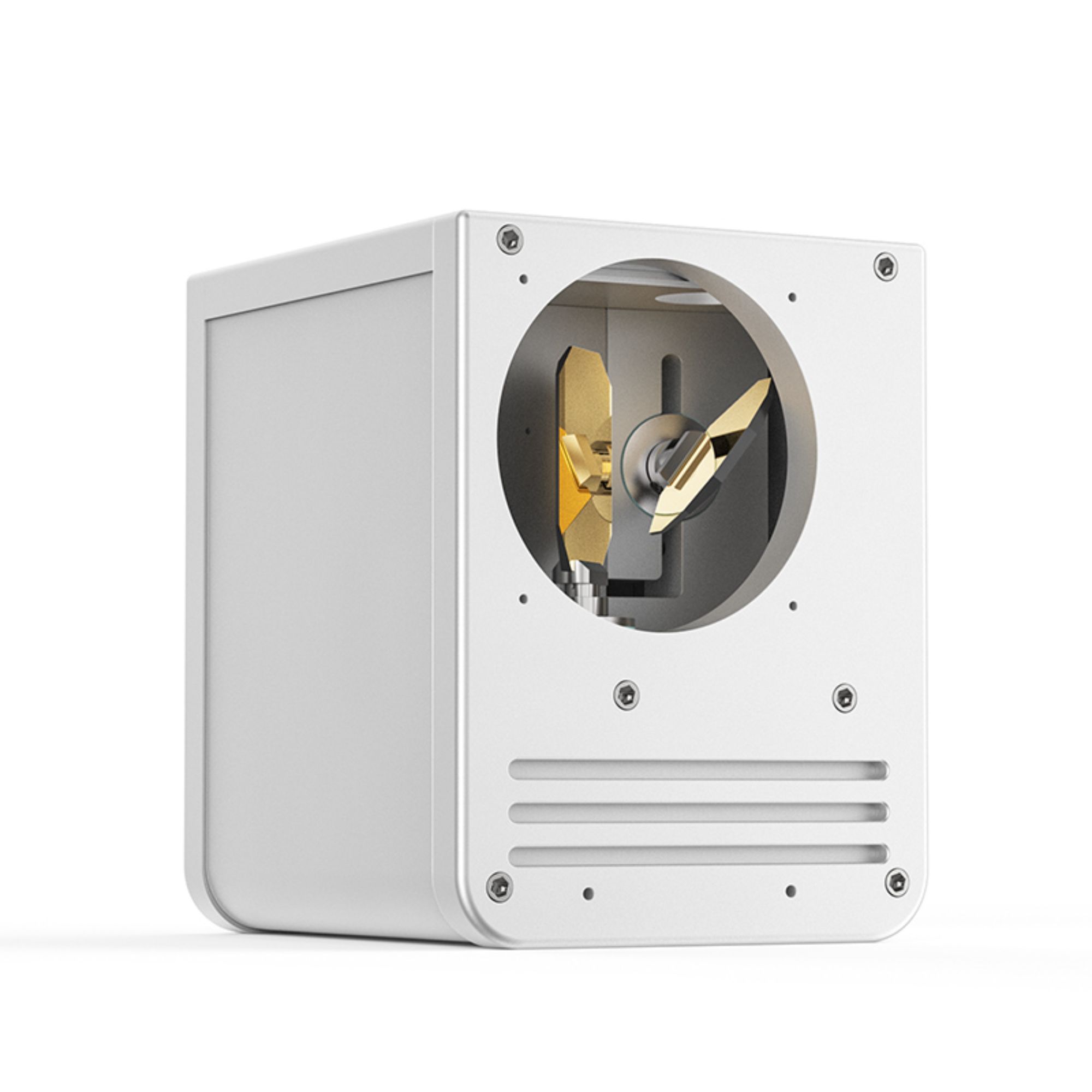
![14mm High precision galvo scanner ZB2D14AW-III-Max-[FB]](https://shopcdnalpha.grainajz.com/1455/upload/product/f00087390108d038db84295e4308f6f767f2f36a20d8a894683aefa94253901e.jpg)
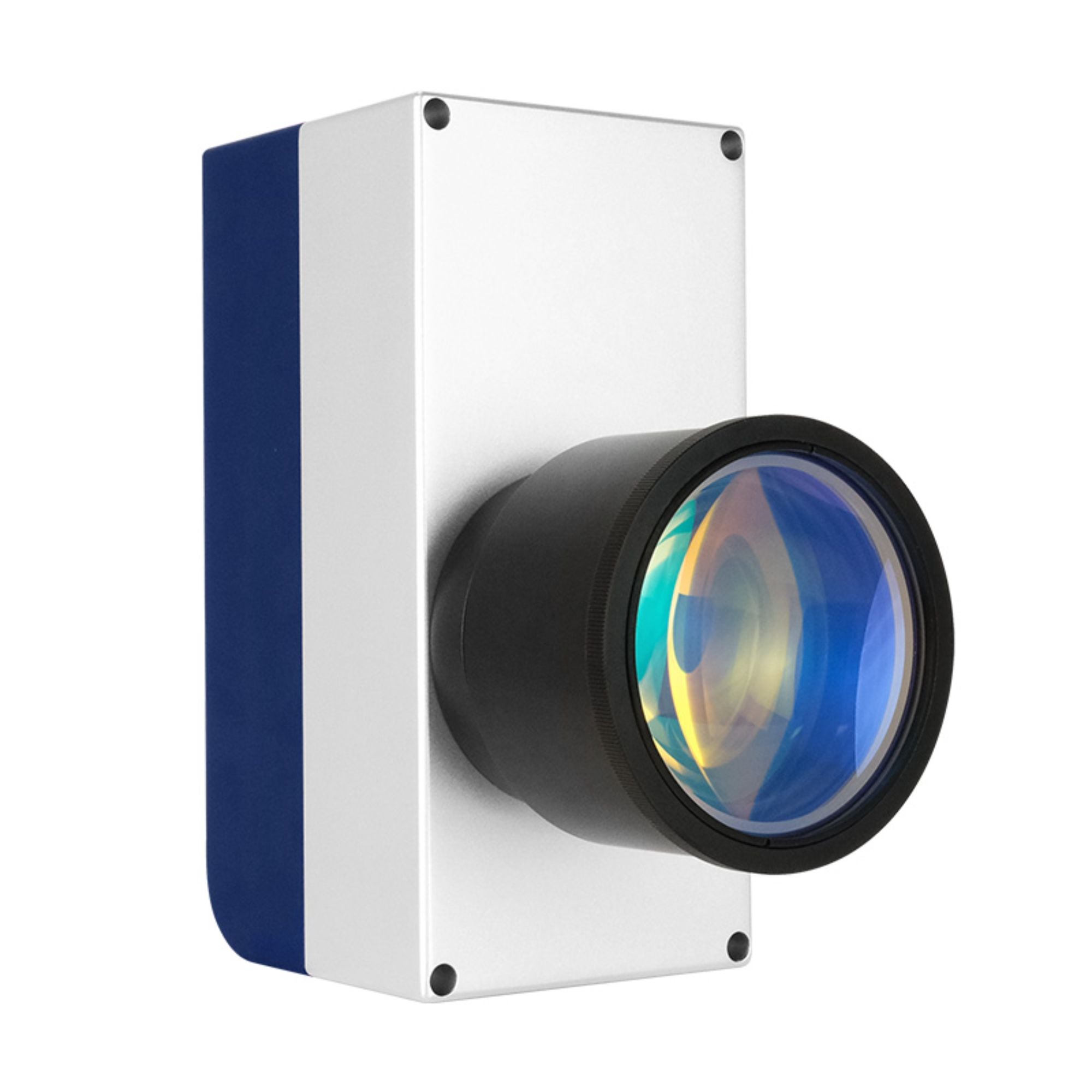
![20mm High precision galvo scanner ZB2DS20G-Max-[FB]](https://shopcdnalpha.grainajz.com/category/72164/1455/29bba847cc80abbe244000235fc4cdcd/1.jpg)