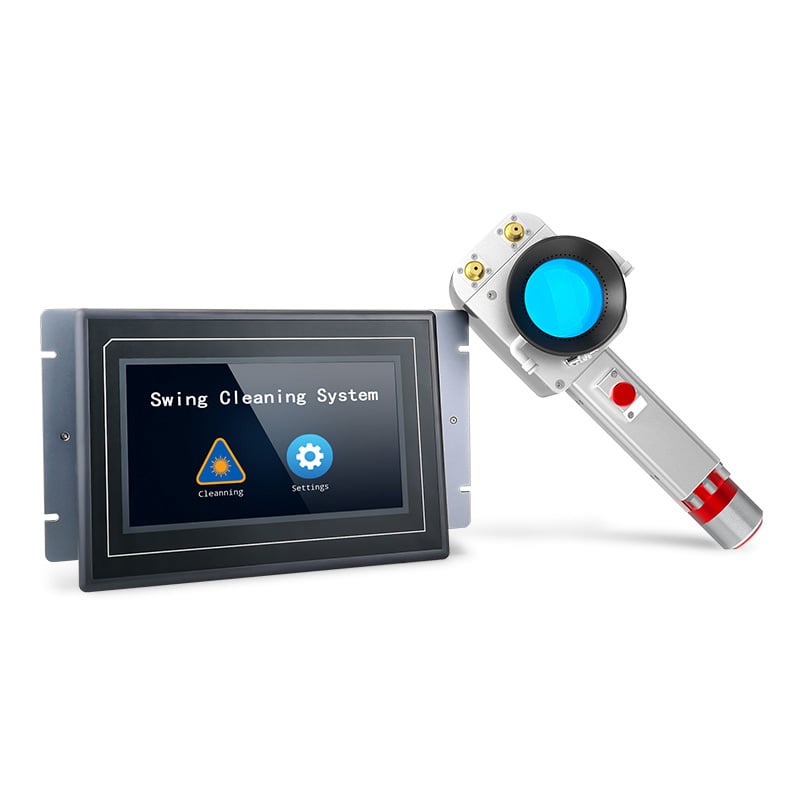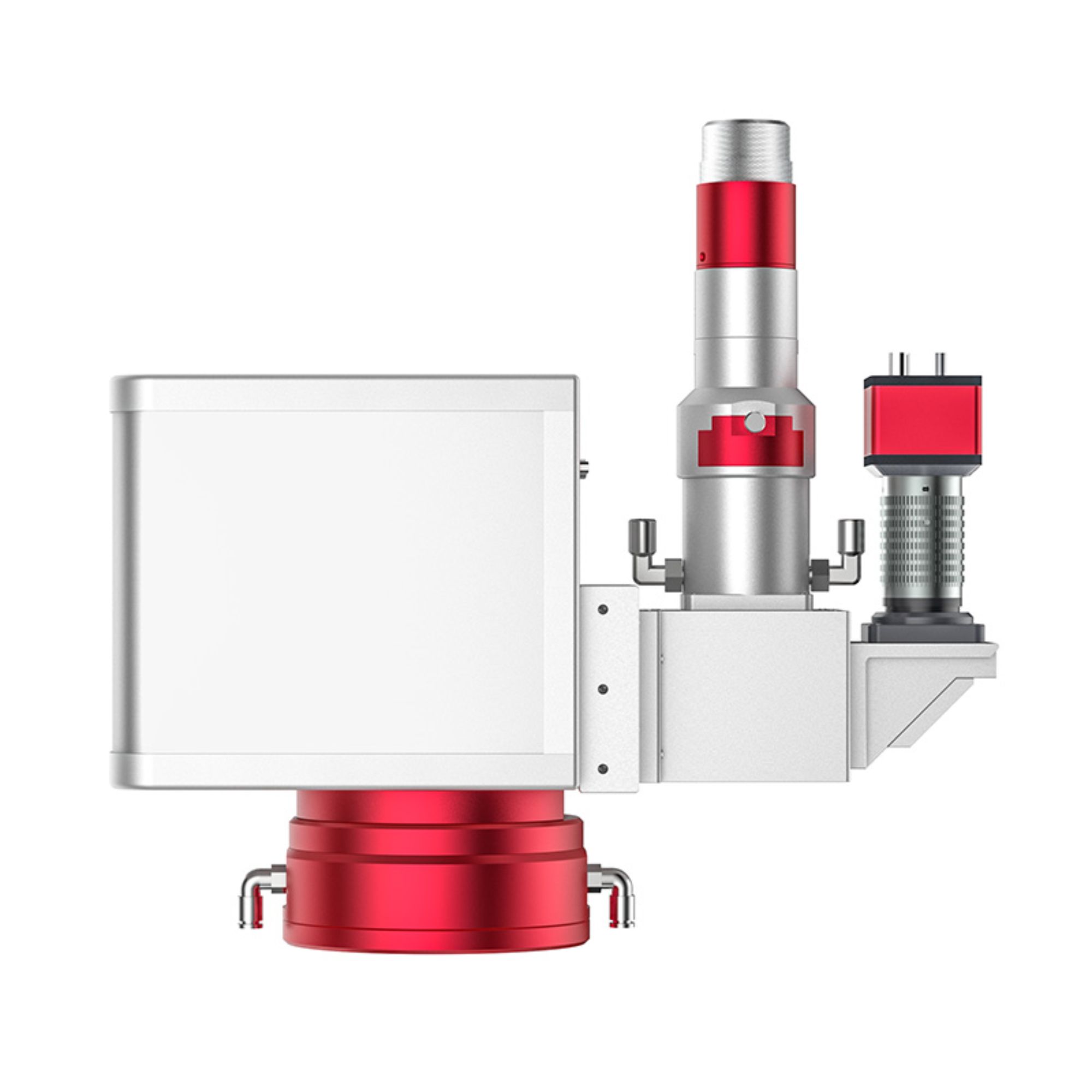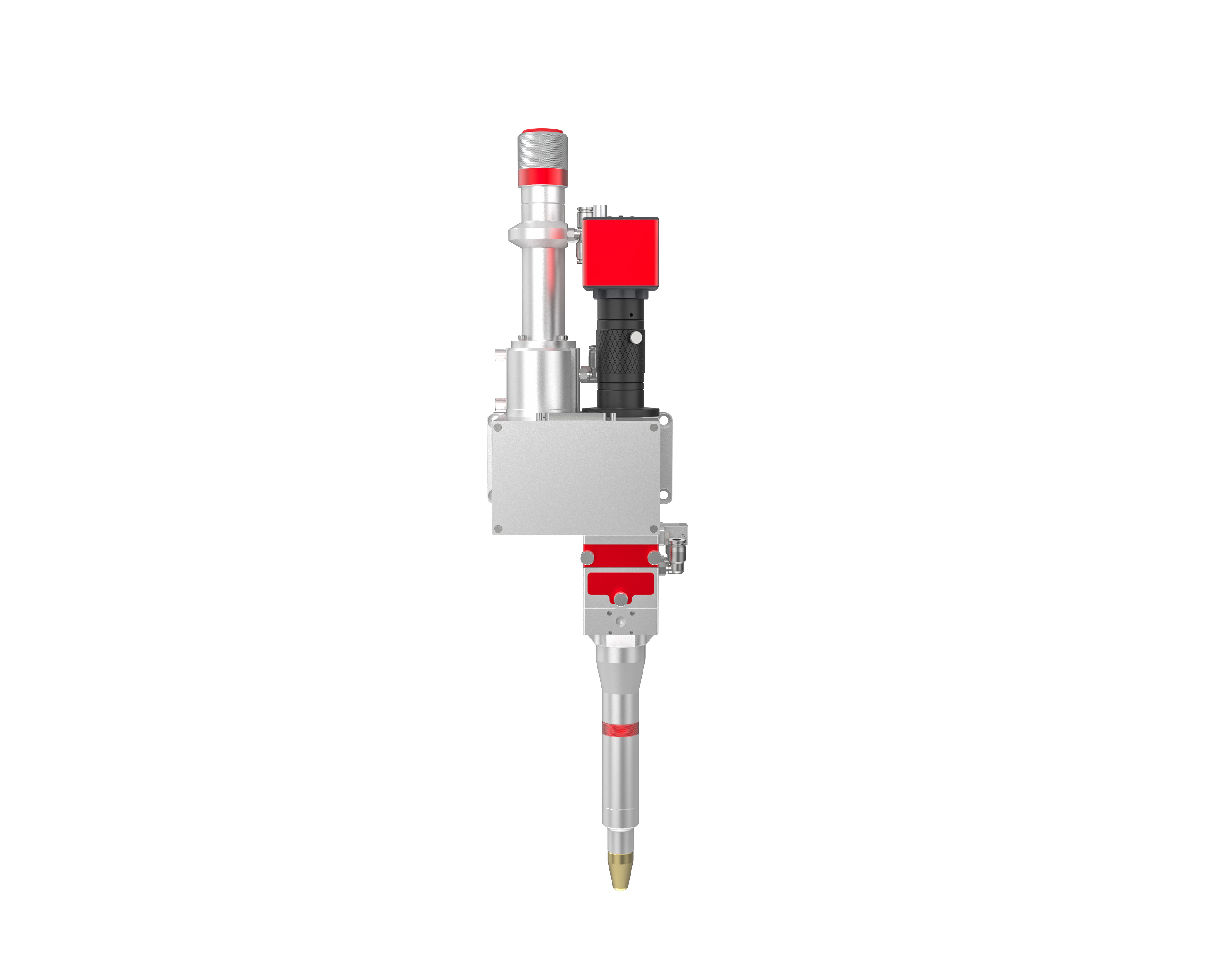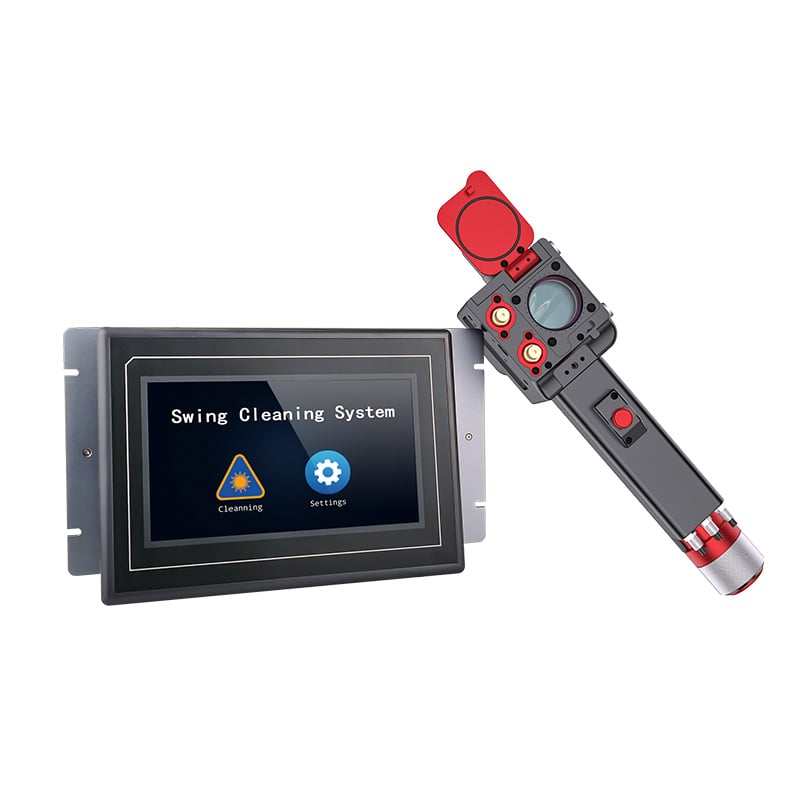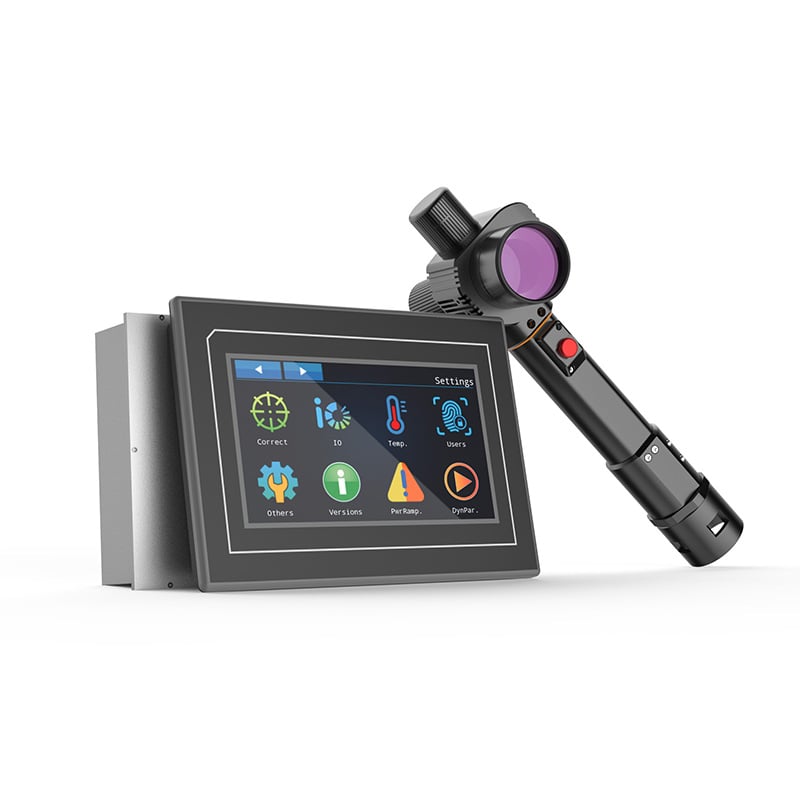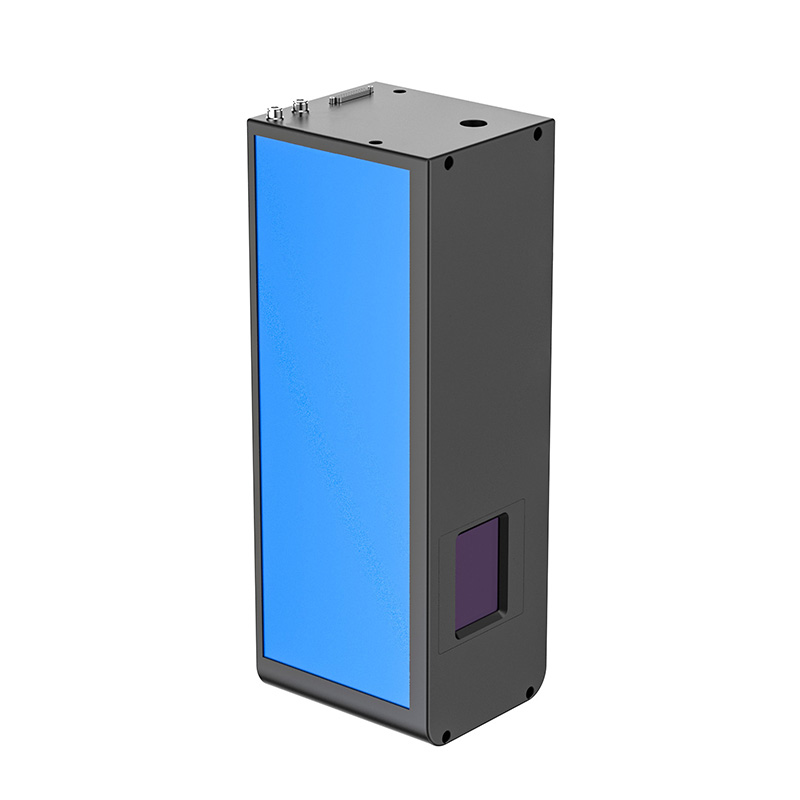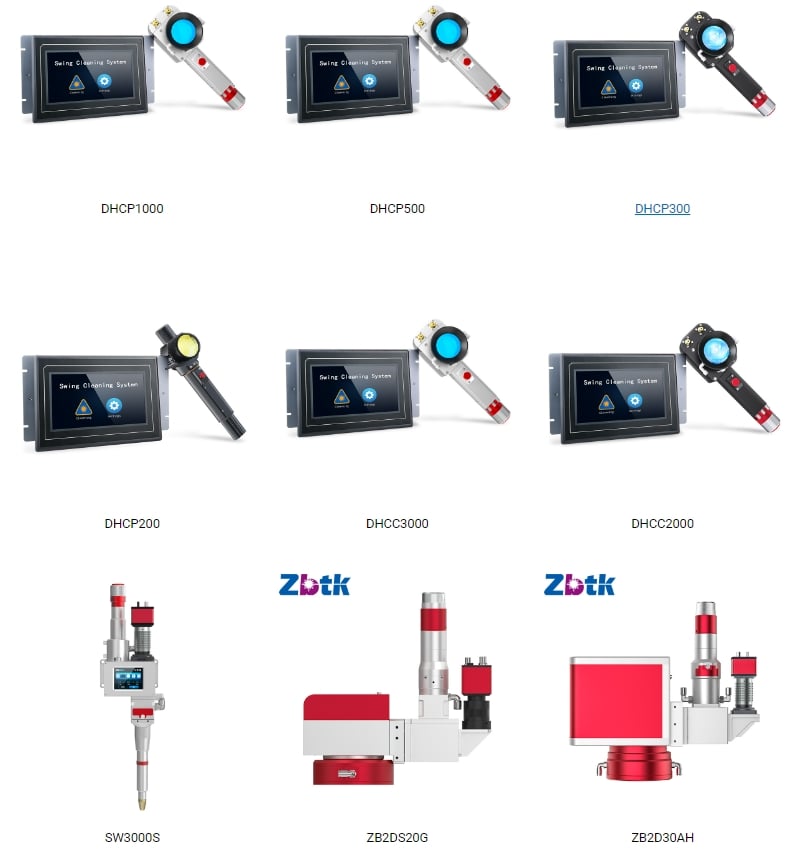
Maintaining optimal performance in your laser cleaning machine requires a systematic approach to preventive care and routine maintenance procedures. These industrial-grade systems represent significant capital investments that demand careful attention to mechanical, optical, and electrical components to ensure consistent cleaning results and extended operational life. Understanding the essential maintenance steps transforms your laser cleaning machine from a simple tool into a reliable asset that delivers predictable performance across demanding applications.
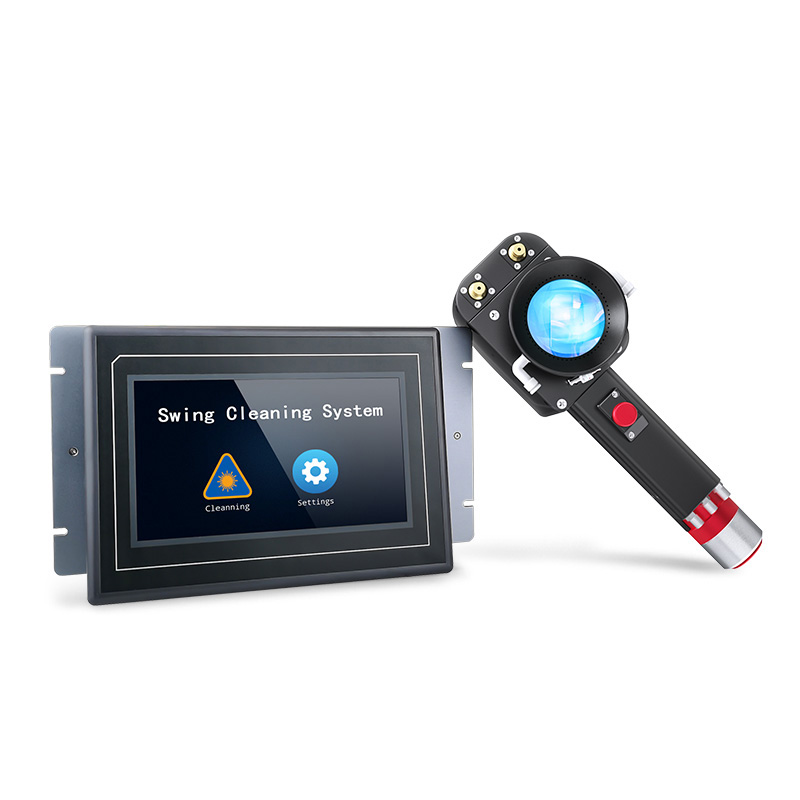
Peak performance maintenance encompasses daily operational checks, periodic component inspections, and scheduled overhauls that address wear patterns unique to laser cleaning applications. Modern laser cleaning machine systems integrate sophisticated monitoring capabilities that provide real-time feedback on system health, yet manual verification and hands-on maintenance remain critical for preventing costly downtime and maintaining cleaning effectiveness across diverse industrial environments.
Beginning each operating shift with comprehensive system verification ensures your laser cleaning machine starts from a known baseline condition. Visual inspection of the laser head assembly should focus on lens cleanliness, protective window integrity, and proper alignment indicators. Any contamination or damage detected during pre-operation checks can prevent performance degradation that might otherwise compromise cleaning quality throughout the entire work session.
Power system diagnostics form another crucial element of daily preparation routines. Monitoring voltage stability, current draw patterns, and cooling system temperatures during startup provides early warning signs of developing electrical issues. These measurements establish trending data that helps predict component replacement schedules and prevents unexpected failures during critical production periods.
Calibration verification through test cleaning cycles on standardized samples confirms that your laser cleaning machine maintains consistent power output and beam characteristics. This verification process takes minimal time but provides confidence that cleaning parameters remain within specification before beginning actual production work.
Proper shutdown sequences protect sensitive components from thermal shock and contamination accumulation. Allowing the laser cleaning machine to complete its cooling cycle prevents rapid temperature changes that can stress optical elements and reduce their service life. Documentation of operating hours, cleaning cycles completed, and any anomalies observed during operation creates valuable maintenance history for trending analysis.
Cleaning the work area and removing debris from around the laser cleaning machine prevents contamination from migrating into sensitive components during the next startup cycle. This simple housekeeping step significantly extends the intervals between major maintenance procedures and maintains optimal air quality around optical components.
Optical elements represent the most critical maintenance focus area for any laser cleaning machine, as even microscopic contamination can dramatically reduce cleaning effectiveness and potentially damage expensive components. Proper lens cleaning requires specialized solvents, lint-free cleaning materials, and specific wiping techniques that prevent scratching or leaving residue on precision optical surfaces.
Inspection procedures should examine each optical element for signs of coating degradation, thermal damage, or mechanical stress patterns. These indicators often appear gradually and can be detected early through systematic examination under proper lighting conditions. Regular documentation of optical condition helps establish replacement schedules based on actual wear patterns rather than arbitrary time intervals.
Protective windows and beam delivery components require particular attention in harsh industrial environments where airborne particles and chemical vapors can accelerate contamination buildup. Implementing staged cleaning protocols that progress from gentle air blowing to solvent cleaning ensures that appropriate cleaning intensity matches the contamination level present.
Maintaining precise beam alignment ensures that your laser cleaning machine delivers consistent power density across the intended cleaning area. Alignment drift can occur gradually through thermal cycling, mechanical vibration, or component settling, making regular verification essential for maintaining cleaning quality standards.
Alignment checking procedures typically involve test patterns on calibrated targets that reveal beam position, shape, and intensity distribution. Any deviations from established baselines indicate the need for professional realignment services or component replacement to restore optimal performance characteristics.
Thermal management systems in laser cleaning machine applications face demanding operating conditions that require proactive maintenance to prevent overheating and component damage. Coolant level monitoring, flow rate verification, and temperature differential measurements provide early indicators of developing cooling system problems that could lead to expensive laser module failures.
Filter replacement schedules should account for operating environment conditions, with more frequent changes required in dusty or chemically contaminated atmospheres. Clean cooling systems maintain consistent operating temperatures that extend component life and ensure stable laser output characteristics throughout extended operating periods.
Pump performance monitoring through pressure and flow measurements helps detect wear patterns that might not be immediately obvious through casual observation. Trending these measurements over time enables predictive maintenance approaches that prevent unexpected cooling failures during critical production schedules.
Precise positioning capabilities distinguish professional laser cleaning machine systems from basic models, requiring careful attention to mechanical drive components and feedback systems. Lubrication schedules for linear guides, ball screws, and rotating assemblies should follow manufacturer specifications while accounting for actual operating conditions and duty cycles.
Encoder calibration verification ensures that programmed cleaning patterns maintain accuracy over time. Small positioning errors can accumulate into significant cleaning inconsistencies, particularly in automated applications where precise repeatability is essential for quality control.
Belt tensioning, gear backlash adjustment, and motor coupling alignment require periodic inspection to maintain smooth operation and prevent premature wear. These mechanical elements experience continuous stress during normal operation and benefit from systematic monitoring and adjustment procedures.
Electrical system health directly impacts laser cleaning machine performance and reliability, making power quality monitoring an essential maintenance activity. Voltage regulation, current stability, and harmonic distortion measurements reveal developing problems before they affect cleaning operations or damage sensitive electronic components.
Connection integrity checks should examine all power and signal cables for signs of corrosion, mechanical damage, or thermal stress. Loose connections create resistance heating that can lead to component failure and inconsistent system performance. Periodic retorquing of electrical connections according to manufacturer specifications prevents these reliability issues.
Ground fault monitoring and isolation resistance testing provide early warning of insulation degradation that could create safety hazards or equipment damage. These measurements require specialized test equipment but provide valuable information about overall electrical system condition and safety margins.
Software-based control systems in modern laser cleaning machine designs require regular backup procedures and parameter verification to ensure consistent operation. Configuration files should be backed up regularly and verified against known good baselines to detect any unauthorized changes or corruption that might affect cleaning performance.
Calibration parameters for laser power, scanning speed, and pattern generation should be documented and verified periodically through test cleaning cycles. These parameters can drift over time due to component aging or environmental factors, requiring adjustment to maintain optimal cleaning results.
Strategic component replacement based on operational hours and performance trending prevents unexpected failures that could halt production operations. Laser diodes, optical elements, and cooling system components have predictable service lives that allow for planned replacement during scheduled maintenance windows rather than emergency repairs.
Spare parts inventory management ensures that critical components remain available when replacement becomes necessary. Laser cleaning machine systems often require specialized parts with extended lead times, making advance planning essential for minimizing operational disruptions.
Documentation of component serial numbers, installation dates, and performance history creates valuable data for optimizing replacement schedules and identifying systematic issues that might indicate design improvements or operating procedure modifications.
While many maintenance procedures can be performed by trained operators, certain activities require specialized knowledge and equipment available only through professional service organizations. Annual calibration verification, major optical alignment, and laser module refurbishment represent investments that extend overall system life and maintain peak performance capabilities.
Service scheduling should coordinate with production demands to minimize operational impact while ensuring that critical maintenance activities occur before component failures develop. Professional technicians can also provide training updates and procedural improvements that enhance in-house maintenance capabilities.
Optical component cleaning frequency depends on your operating environment and application requirements. In clean industrial environments, weekly inspection with cleaning as needed typically suffices. Dusty or chemically contaminated environments may require daily inspection and more frequent cleaning. Monitor beam quality and cleaning effectiveness as indicators that optical cleaning is needed, rather than following rigid time schedules.
Key indicators include declining cleaning effectiveness despite proper operation, unusual noises from cooling or positioning systems, error messages or fault codes, inconsistent beam patterns, excessive operating temperatures, or any visible damage to optical components. Additionally, if you notice increased cleaning cycle times or reduced coverage area, professional diagnostic evaluation can identify underlying issues before they lead to major failures.
Basic beam alignment checks can be performed using manufacturer-provided procedures and test targets, but precision realignment typically requires specialized equipment and training. Most laser cleaning machine manufacturers recommend professional alignment services for major adjustments. You can monitor alignment stability through regular test patterns, but actual corrections should be left to qualified technicians to prevent damage to expensive optical components.
Monitor laser output power measurements, beam quality characteristics, and operating efficiency over time. Most laser modules provide thousands of operating hours before replacement, but performance degradation typically occurs gradually. When output power drops below specification despite proper maintenance, or when power consumption increases significantly while maintaining output, replacement planning should begin. Professional diagnostic testing can provide specific recommendations based on your application requirements.
 Hot News
2026-04-02
2026-04-09
2026-04-08
2026-04-06
2026-04-02
2026-03-31

6th Floor, Block B, Wanhe Technology Building, No. 7 Huitong Road, Guangming District, Shenzhen ,Guangdong Province
Copyright © 2026 Shenzhen Zbtk Technology Co., Ltd. Privacy policy
 EN
EN