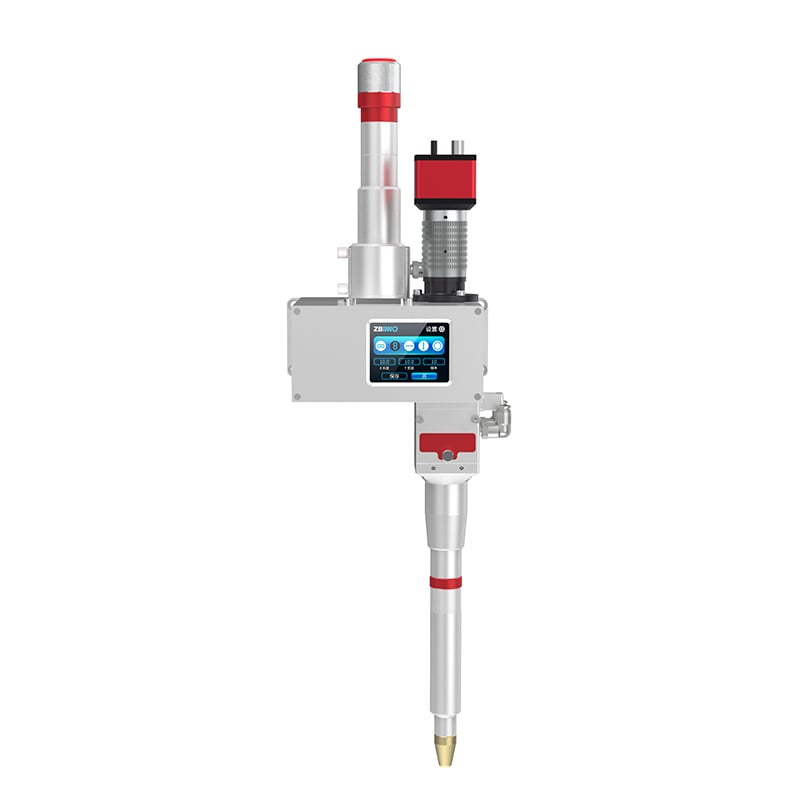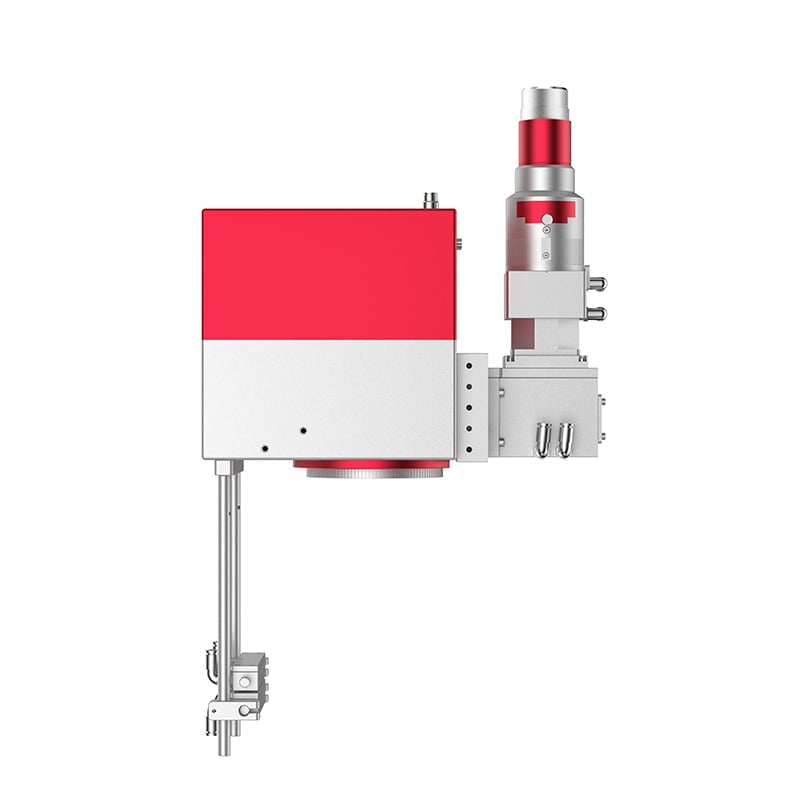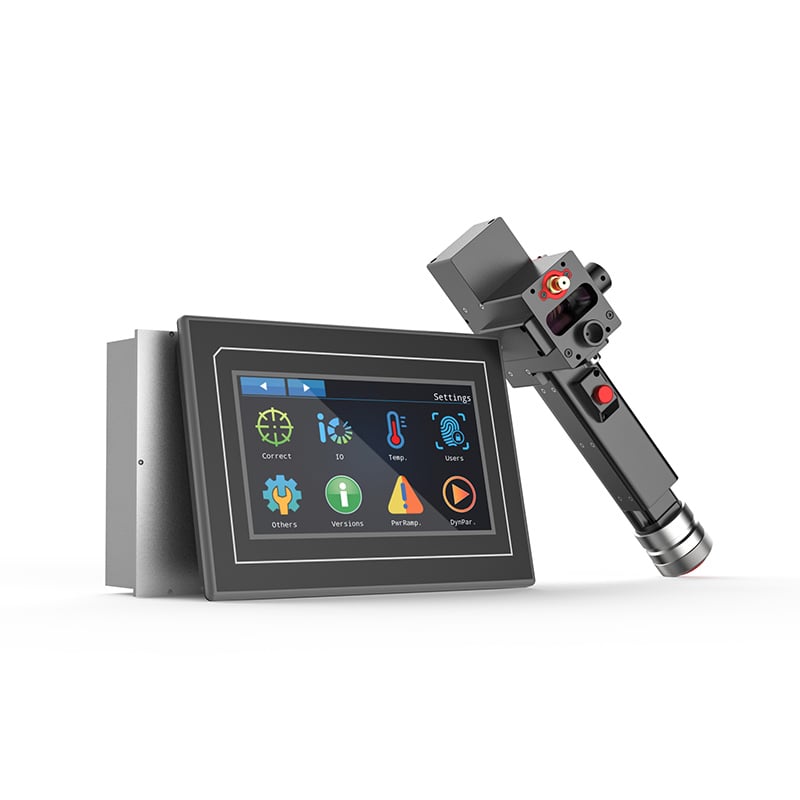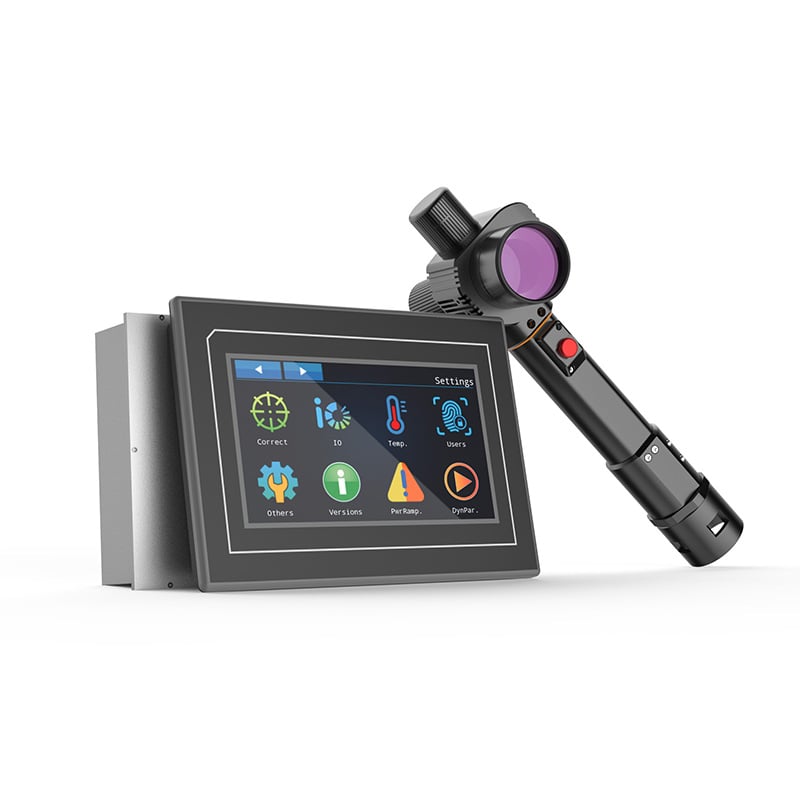
The precision and reliability of industrial laser systems depend heavily on the proper maintenance and calibration of critical components. Among these components, the laser galvo scanning head stands as one of the most crucial elements that requires regular attention to ensure optimal performance. These sophisticated devices control the positioning and movement of laser beams with exceptional accuracy, making them indispensable in applications ranging from material processing to precision marking. Understanding how to properly maintain and calibrate your laser galvo scanning head not only extends its operational lifespan but also guarantees consistent output quality and reduces costly downtime. Regular maintenance procedures help identify potential issues before they escalate into major problems, while proper calibration ensures that your laser galvo scanning head continues to deliver the precision required for demanding industrial applications.
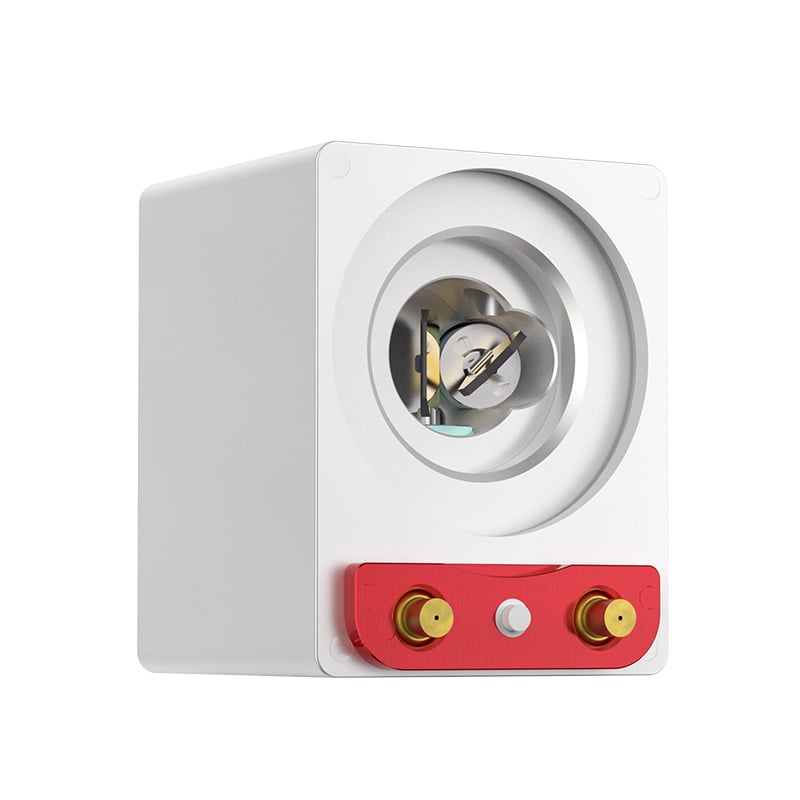
A laser galvo scanning head consists of several critical components that work in harmony to achieve precise beam positioning. The galvanometer motors serve as the primary driving force, utilizing electromagnetic fields to control mirror movement with exceptional speed and accuracy. These motors are equipped with high-resolution encoders that provide feedback on mirror position, enabling closed-loop control systems to maintain positioning accuracy. The mirrors themselves are typically made from specialized materials designed to withstand laser radiation while maintaining optical quality over extended periods.
The control electronics integrated within the laser galvo scanning head process positioning commands and translate them into precise motor movements. These sophisticated circuits include digital signal processors, servo amplifiers, and communication interfaces that enable seamless integration with laser control systems. Understanding how these components interact is essential for effective maintenance, as issues in any single element can affect overall system performance. Temperature sensors and monitoring circuits provide additional feedback to ensure the laser galvo scanning head operates within safe parameters.
The operation of a laser galvo scanning head relies on the precise control of two perpendicular axes, typically designated as X and Y. Each axis incorporates a galvanometer motor that rotates a mirror through small angles, deflecting the laser beam to achieve the desired positioning. The speed and accuracy of these movements determine the overall performance characteristics of the scanning system. Modern laser galvo scanning head systems can achieve positioning speeds exceeding several meters per second while maintaining positioning accuracy in the micrometer range.
Factors such as mirror inertia, motor torque, and control system response time all influence the dynamic performance of the laser galvo scanning head. The scanning field size, which represents the maximum area that can be addressed by the system, depends on the mirror size, focal length of the focusing optics, and the maximum deflection angle of the galvanometer motors. Understanding these relationships helps operators optimize settings for specific applications and identify when calibration adjustments may be necessary.
Implementing daily inspection routines forms the foundation of effective laser galvo scanning head maintenance. These quick but thorough checks help identify developing issues before they impact production quality or cause system damage. Visual inspections should focus on checking for dust accumulation on optical surfaces, verifying that all cables and connections remain secure, and observing the overall condition of the scanning head housing. Temperature monitoring during startup and operation provides valuable insights into the thermal performance of the laser galvo scanning head.
Operators should also verify that the laser galvo scanning head responds correctly to positioning commands during system initialization. This involves checking that the mirrors return to their home positions accurately and that the scanning pattern appears consistent with previous operations. Any unusual noises, vibrations, or irregular movements should be documented and investigated promptly. Daily maintenance logs help track system performance trends and identify patterns that may indicate developing problems.
Weekly maintenance procedures for laser galvo scanning head systems involve more detailed inspections and cleaning operations. This includes careful cleaning of optical surfaces using appropriate solvents and lint-free materials to remove accumulated contaminants. Mirror surfaces require particular attention, as even minor contamination can affect beam quality and potentially cause damage due to localized heating. The housing and mounting components should be inspected for signs of wear, loosening, or mechanical stress.
Monthly maintenance extends to verification of calibration accuracy and performance testing under various operating conditions. This includes checking positioning accuracy across the entire scanning field, verifying repeatability measurements, and testing system response to different command profiles. Electrical connections should be inspected and cleaned as necessary, while cooling systems, if present, require attention to ensure adequate thermal management. Documentation of these maintenance activities provides valuable historical data for troubleshooting and planning future maintenance needs.
Proper calibration of a laser galvo scanning head begins with establishing accurate reference coordinates and alignment parameters. This process typically involves mounting calibration targets at known positions within the scanning field and using these references to establish the relationship between commanded positions and actual beam locations. The calibration software provided with the scanning head system guides operators through the measurement process, collecting data points across the entire scanning field to build a comprehensive correction matrix.
Temperature compensation represents another critical aspect of calibration setup. As the laser galvo scanning head warms up during operation, thermal expansion and changes in material properties can affect positioning accuracy. Modern calibration procedures incorporate temperature sensors and correction algorithms that automatically adjust positioning commands based on current operating temperature. This ensures that the laser galvo scanning head maintains accuracy throughout extended operating sessions.
Verification of calibration accuracy requires sophisticated measurement techniques that can detect positioning errors in the micrometer range. Laser interferometry provides one of the most accurate methods for verifying the positioning performance of a laser galvo scanning head. This technique uses interference patterns created by laser light to measure actual mirror positions with exceptional precision. Coordinate measuring machines equipped with appropriate fixtures can also verify the accuracy of scanning patterns and detect systematic errors in the calibration.
Statistical analysis of calibration data helps identify trends and potential issues with the laser galvo scanning head performance. Repeatability measurements, which assess the system's ability to return to the same position multiple times, provide insights into mechanical wear and stability. Linearity tests verify that the relationship between commanded and actual positions remains consistent across the scanning field. These verification procedures should be performed regularly to ensure that the laser galvo scanning head continues to meet application requirements.
Mechanical issues in laser galvo scanning head systems often manifest as positioning errors, reduced scanning speed, or irregular movement patterns. Worn bearings in the galvanometer motors can introduce backlash and reduce positioning accuracy, while damaged or contaminated mirrors affect beam quality and may cause thermal damage. Visual inspection combined with performance testing helps isolate mechanical problems from electronic or software-related issues. Mirror surface quality should be evaluated using appropriate optical measurement tools to detect scratches, pitting, or coating deterioration.
Thermal problems can significantly impact the performance of a laser galvo scanning head, particularly in high-power applications. Inadequate cooling or blocked ventilation can cause temperature-related drift and positioning errors. Thermal imaging cameras provide valuable diagnostic information, revealing hot spots and thermal gradients that may affect system performance. Regular monitoring of operating temperatures helps establish baseline performance and identify developing thermal issues before they cause significant problems.
Electronic problems in laser galvo scanning head systems require systematic diagnostic approaches to isolate faulty components and determine appropriate repair procedures. Signal integrity testing using oscilloscopes helps identify noise, distortion, or timing issues in the control signals. Power supply voltages should be verified to ensure that all circuits receive appropriate operating power. Encoder feedback signals provide valuable diagnostic information about motor performance and can reveal problems with the position sensing system.
Software-related issues may affect the operation of a laser galvo scanning head even when all hardware components function correctly. Parameter settings, calibration data, and communication protocols should be verified against manufacturer specifications. Firmware updates may address known issues or provide enhanced functionality. Maintaining backup copies of calibration data and configuration settings enables rapid restoration of system operation following software problems or hardware replacement.
Environmental factors significantly influence the performance and longevity of laser galvo scanning head systems. Dust and airborne contaminants can accumulate on optical surfaces, reducing beam quality and potentially causing damage through localized heating. Implementing appropriate enclosures and air filtration systems helps maintain clean operating conditions. Humidity control prevents condensation on optical surfaces and reduces the risk of corrosion on electronic components.
Temperature stability plays a crucial role in maintaining the accuracy of a laser galvo scanning head over time. Rapid temperature changes can cause thermal stress and affect calibration accuracy. Climate-controlled environments with stable temperature and humidity levels provide optimal operating conditions. When environmental control is limited, thermal compensation algorithms and regular recalibration procedures help maintain acceptable performance levels.
Proper operating procedures extend the service life of laser galvo scanning head components and maintain consistent performance. Gradual warm-up periods allow thermal equilibrium to be established before precision operations begin. Avoiding excessive acceleration and deceleration reduces mechanical stress on galvanometer motors and bearings. Operating within manufacturer-specified power levels prevents thermal damage to optical components and ensures long-term reliability.
Regular backup of calibration data and system settings provides insurance against data loss and enables rapid recovery following system problems. Documentation of operational parameters, maintenance activities, and performance measurements creates a valuable database for troubleshooting and optimization. Training programs for operators ensure that best practices are followed consistently and that potential problems are identified early in their development.
The frequency of calibration depends on your application requirements and operating conditions. For precision applications requiring micrometer-level accuracy, weekly or bi-weekly calibration may be necessary. Less demanding applications might require calibration only monthly or quarterly. Monitor your system's performance trends and establish calibration intervals based on actual drift characteristics and application tolerances.
Common indicators include decreased positioning accuracy, irregular scanning patterns, unusual noises during operation, increased operating temperatures, or visible contamination on optical surfaces. Performance measurements that fall outside established tolerances also signal the need for maintenance attention. Regular monitoring and documentation help identify these issues early.
While basic calibration can be performed using the software tools provided with your laser galvo scanning head, precision verification typically requires specialized measurement equipment. Laser interferometers, coordinate measuring machines, or precision target systems provide the accuracy needed for demanding applications. Many manufacturers offer calibration services if specialized equipment is not available in-house.
Persistent positioning errors after calibration may indicate mechanical wear, electronic problems, or environmental issues. Verify that all calibration procedures were performed correctly and that environmental conditions remain stable. Check for loose mounting, damaged components, or contaminated optical surfaces. If problems persist, contact your manufacturer's technical support for advanced diagnostic assistance.
 Hot News
2026-04-02
2026-04-09
2026-04-08
2026-04-06
2026-04-02
2026-03-31

6th Floor, Block B, Wanhe Technology Building, No. 7 Huitong Road, Guangming District, Shenzhen ,Guangdong Province
Copyright © 2026 Shenzhen Zbtk Technology Co., Ltd. Privacy policy
 EN
EN
![14mm Additive manufacturing galvo Kit 14AW-III-Pro-[FB]-SQU](https://shopcdnalpha.grainajz.com/category/72164/1455/d3c3796acc9943b3b5a3ac26ae73b2bf/1.jpg)