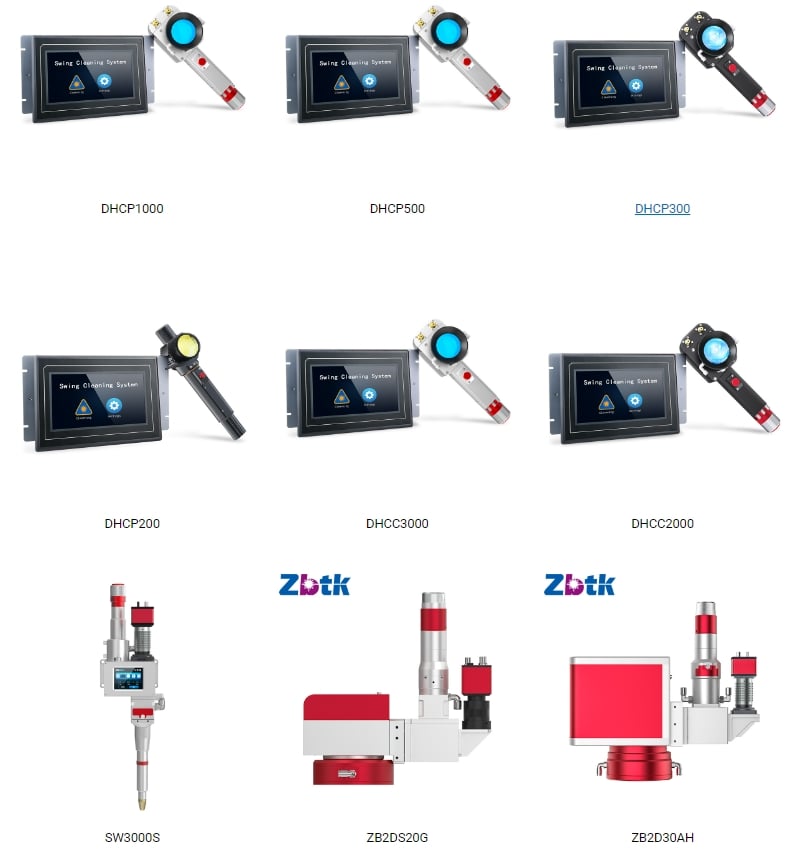
Industrial surface preparation has evolved significantly with the introduction of advanced laser technologies. Traditional methods of removing paint and coatings often involve harsh chemicals, abrasive blasting, or manual scraping that can damage underlying surfaces and create environmental hazards. Modern laser paint removal systems offer a precise, efficient, and environmentally friendly alternative that has transformed how industries approach surface cleaning and restoration projects.
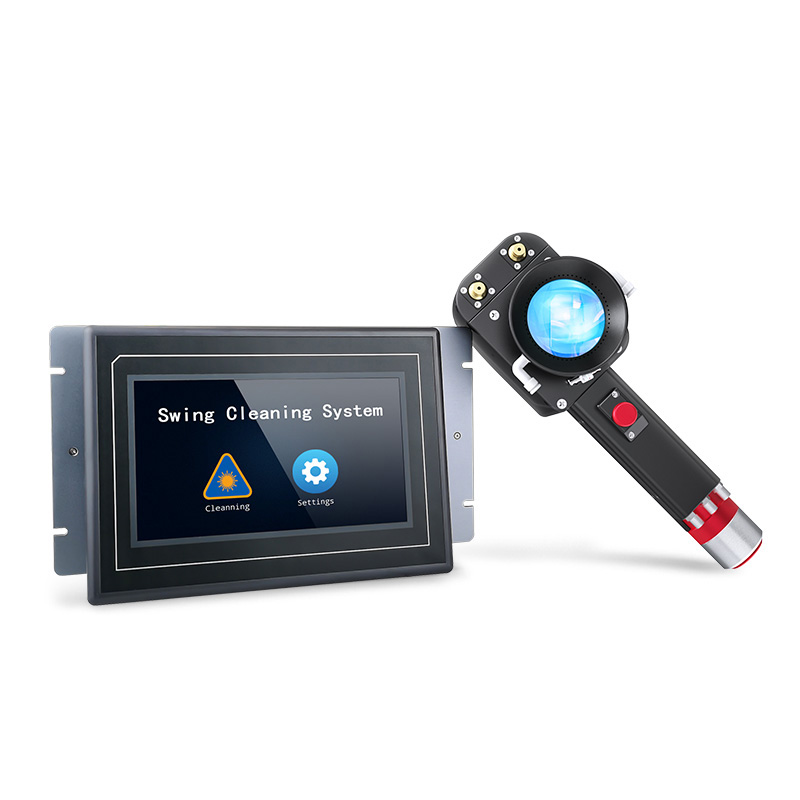
The versatility of laser technology makes it suitable for numerous applications across different sectors. From delicate restoration work on historical artifacts to heavy-duty industrial cleaning operations, laser systems provide controlled energy delivery that can be adjusted for various materials and coating types. This adaptability has made laser paint removal an increasingly popular choice for professionals seeking reliable and consistent results without compromising substrate integrity.
Automotive restoration specialists frequently rely on laser paint removal for classic car projects and collision repair work. The precision offered by laser systems allows technicians to remove multiple layers of paint without affecting the underlying metal substrate. This capability is particularly valuable when working with vintage vehicles where preserving original bodywork is essential for maintaining authenticity and value.
Professional body shops utilize laser technology to address localized rust treatment and paint defect correction. The selective nature of laser energy means that only the targeted coating is removed, leaving surrounding areas untouched. This precision reduces preparation time and minimizes the risk of substrate damage that can occur with traditional sanding or chemical stripping methods.
Automotive component manufacturers integrate laser paint removal into their quality control processes. When parts require rework due to coating defects or color changes, laser systems provide a clean removal method that maintains dimensional accuracy. This application is especially important for precision components where even minor surface alterations could affect performance specifications.
Fleet maintenance operations benefit from laser technology when refurbishing commercial vehicles and heavy equipment. The ability to remove paint from specific areas allows maintenance teams to address corrosion issues promptly while preserving protective coatings in unaffected zones. This targeted approach extends equipment life and reduces overall maintenance costs by avoiding unnecessary complete refinishing operations.
Aerospace maintenance facilities employ laser paint removal for routine aircraft servicing and major overhaul operations. Commercial aircraft require regular paint removal for corrosion inspection and protective coating renewal. Laser paint removal systems enable technicians to strip large surface areas efficiently while maintaining the strict quality standards required in aviation applications.
The controlled heat input of laser systems prevents thermal damage to aircraft structures, which is crucial when working with composite materials and thin aluminum skins. Traditional chemical stripping methods pose environmental and safety concerns in aircraft hangars, making laser technology an attractive alternative for operators seeking to improve workplace conditions and regulatory compliance.
Engine component refurbishment represents another significant application area within aerospace operations. Turbine blades, housings, and other critical parts require periodic coating removal for inspection and recoating. The precision of laser systems allows technicians to remove thermal barrier coatings and other specialized finishes without compromising the dimensional tolerances essential for engine performance and safety.
Research and development facilities utilize laser paint removal when testing new coating systems and surface treatments. The ability to cleanly remove experimental coatings enables researchers to evaluate substrate conditions and prepare surfaces for subsequent testing phases. This capability accelerates development cycles and improves the quality of research data by ensuring consistent surface preparation conditions.
Shipyards and marine maintenance facilities face unique challenges when removing marine coatings and antifouling paints. These specialized coatings often contain heavy metals and other hazardous substances that create disposal and safety concerns when removed using traditional methods. Laser paint removal technology addresses these challenges by vaporizing coatings without creating hazardous waste streams that require special handling and disposal procedures.
The efficiency of laser systems becomes particularly evident when processing large vessel surfaces during dry dock operations. Modern laser paint removal equipment can cover substantial areas quickly while maintaining consistent removal quality. This efficiency reduces vessel downtime and associated costs, making laser technology economically attractive for commercial shipping operations with tight maintenance schedules.
Offshore oil and gas platforms present challenging environments for maintenance operations. The remote locations and harsh operating conditions make traditional paint removal methods difficult and expensive to implement. Portable laser paint removal systems offer a practical solution that reduces the need for extensive scaffolding, containment systems, and hazardous material handling procedures typically associated with offshore maintenance work.
Pipeline and structural steel maintenance operations benefit from the precision and portability of laser systems. Technicians can address localized corrosion and coating failures without disrupting entire sections of infrastructure. This targeted approach minimizes operational interruptions and reduces the overall cost of maintaining critical offshore assets while ensuring continued protection against harsh marine environments.
Civil engineering projects increasingly incorporate laser paint removal technology for bridge maintenance and steel structure renovation. The ability to remove lead-based paints and other hazardous coatings without generating airborne contamination makes laser systems particularly valuable for projects in populated areas where environmental protection is paramount. This capability allows contractors to meet strict regulatory requirements while maintaining project schedules.
Historic preservation projects benefit from the gentle nature of laser paint removal when working with irreplaceable structural elements. The controlled energy delivery ensures that original substrate textures and architectural details remain intact throughout the cleaning process. This preservation capability is essential when maintaining the historical integrity of landmark structures and culturally significant buildings.
Manufacturing facilities utilize laser paint removal for equipment maintenance and facility upgrades. The technology proves especially valuable in food processing and pharmaceutical environments where chemical contamination risks must be minimized. Laser systems eliminate the need for harsh chemical strippers that could potentially contaminate production areas or compromise product quality standards.
Power generation facilities employ laser technology for turbine housing maintenance and cooling system cleaning. The precision of laser systems allows maintenance teams to address specific problem areas without requiring complete equipment disassembly. This targeted approach reduces maintenance downtime and associated production losses while ensuring that critical infrastructure remains operational and efficient.
Nuclear facilities require specialized approaches to surface decontamination and coating removal due to radiation safety concerns. Laser paint removal systems can be operated remotely, reducing personnel exposure to radioactive environments while effectively removing contaminated coatings. The precision of laser technology minimizes the volume of radioactive waste generated during decontamination operations, reducing disposal costs and environmental impact.
Decommissioning projects benefit from the controlled nature of laser paint removal when preparing surfaces for final disposal or repurposing. The ability to selectively remove coatings without generating large volumes of contaminated debris streamlines waste management processes and reduces project costs. This efficiency is particularly important given the extended timelines and regulatory oversight associated with nuclear facility decommissioning activities.
Electronics manufacturing facilities employ laser paint removal for circuit board rework and component refurbishment. The precise energy control available with laser systems enables technicians to remove conformal coatings and protective finishes from specific areas without affecting adjacent components. This selective capability is essential when repairing high-value electronic assemblies where component replacement costs would be prohibitive.
Semiconductor manufacturing operations utilize laser technology for substrate cleaning and surface preparation. The ultra-clean environment requirements of semiconductor fabrication make traditional chemical cleaning methods problematic due to contamination risks. Laser paint removal provides a contamination-free alternative that meets the stringent cleanliness standards required for advanced semiconductor processing operations.
Laser paint removal technology is compatible with a wide range of substrate materials including steel, aluminum, titanium, composites, and various alloys. The key factor is selecting appropriate laser parameters for each specific material and coating combination. Most industrial metals can be processed safely, while some plastics and heat-sensitive materials may require specialized laser settings or alternative removal methods. Professional operators typically conduct test procedures to optimize parameters for specific applications before beginning full-scale operations.
Laser paint removal often provides superior efficiency compared to chemical stripping or abrasive blasting, particularly for selective removal applications. While initial equipment costs are higher, laser systems typically offer lower operating costs due to reduced consumable materials, waste disposal expenses, and labor requirements. The precision and speed of laser systems often result in faster project completion times, which can significantly offset higher equipment costs through reduced downtime and increased productivity.
Laser paint removal operations require appropriate eye protection, ventilation systems, and operator training to ensure safe operation. While laser systems eliminate many of the chemical exposure risks associated with traditional paint removal methods, proper laser safety protocols must be followed to prevent eye and skin exposure to laser radiation. Additionally, adequate ventilation is necessary to remove vaporized coating materials from the work area, and operators should be trained in both laser safety and proper system operation procedures.
Modern laser paint removal systems can effectively remove multiple coating layers in a single pass, with the ability to adjust parameters for different coating types within the same project. Advanced systems feature real-time monitoring capabilities that automatically adjust laser power and scanning patterns based on coating characteristics. This adaptability allows operators to efficiently process surfaces with complex coating histories, such as equipment that has been repainted multiple times or structures with different coating types in various areas.
 Hot News
2026-04-02
2026-04-09
2026-04-08
2026-04-06
2026-04-02
2026-03-31

6th Floor, Block B, Wanhe Technology Building, No. 7 Huitong Road, Guangming District, Shenzhen ,Guangdong Province
Copyright © 2026 Shenzhen Zbtk Technology Co., Ltd. Privacy policy
 EN
EN
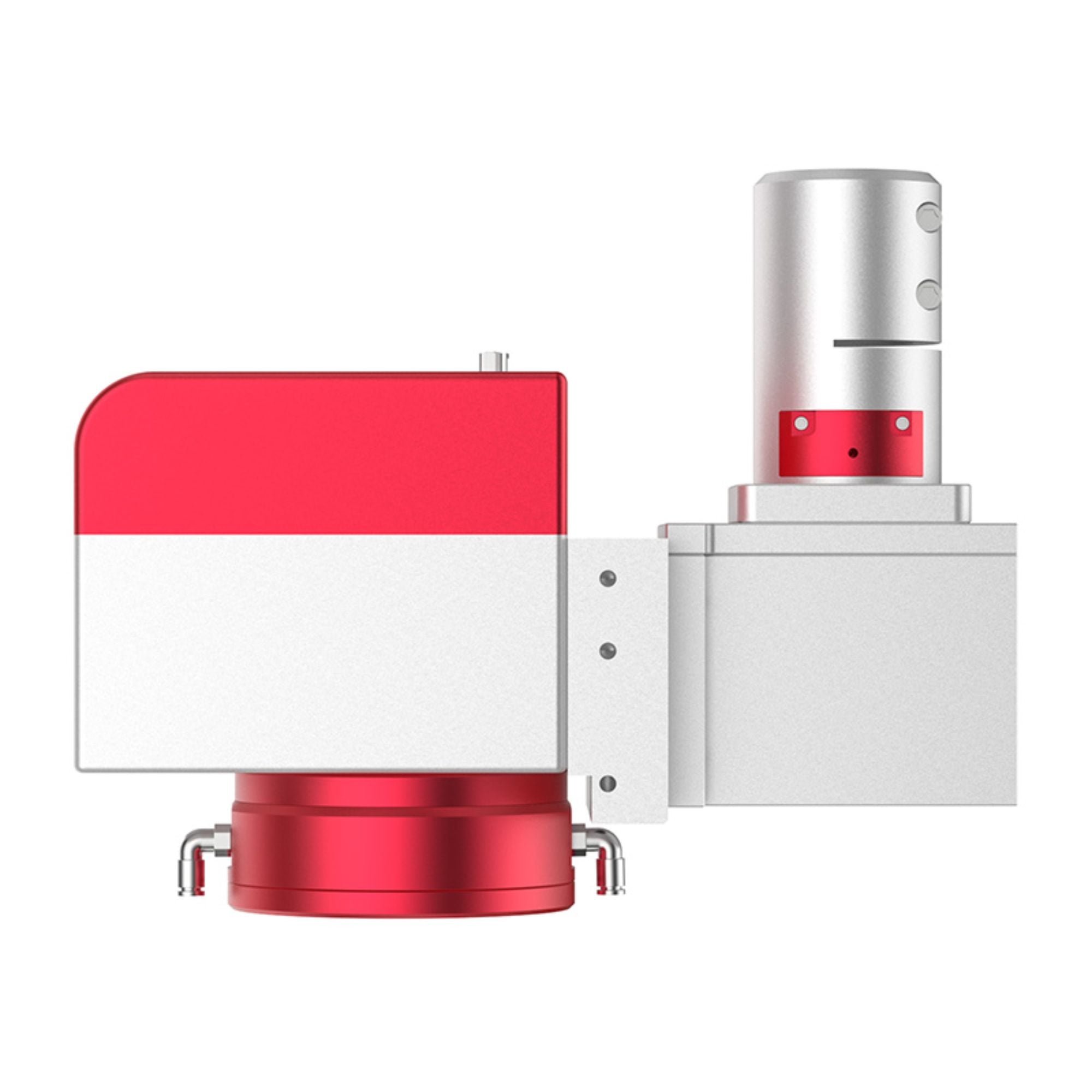
![10mm High precision galvo scanner ZB2D10A-Pro-[FB]](https://shopcdnalpha.grainajz.com/category/72164/1455/65f10861a84c8d74f16d83a84a90504b/%E4%B8%BB%E5%9B%BE%E8%A7%84%E8%8C%831.jpg)