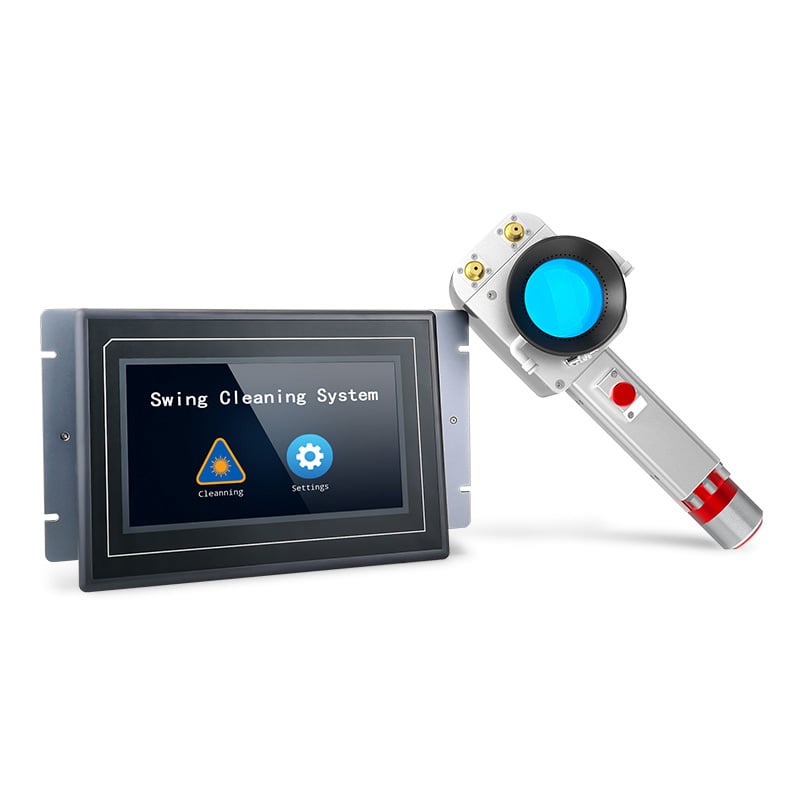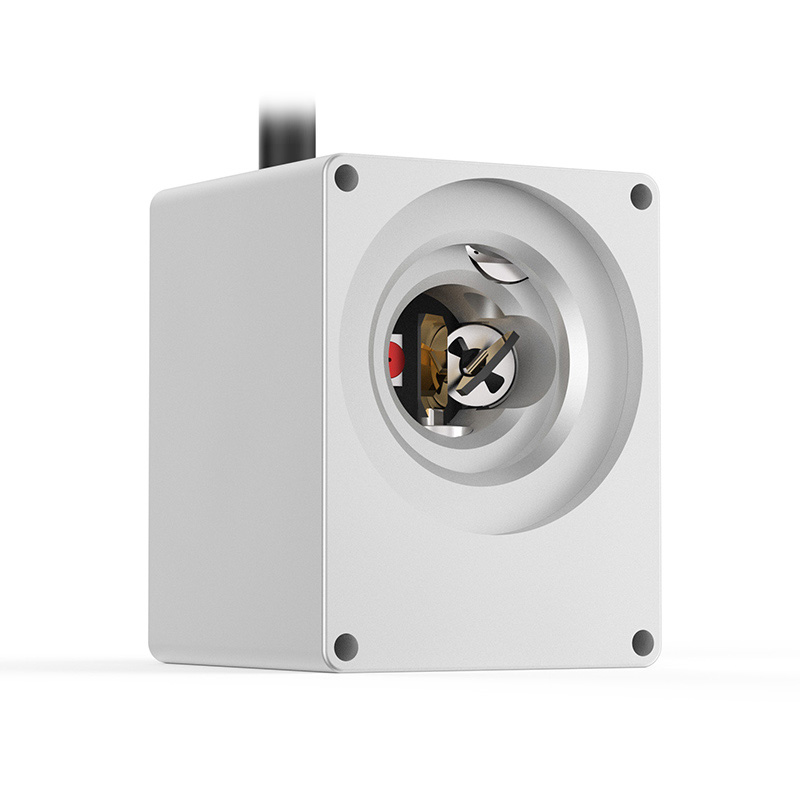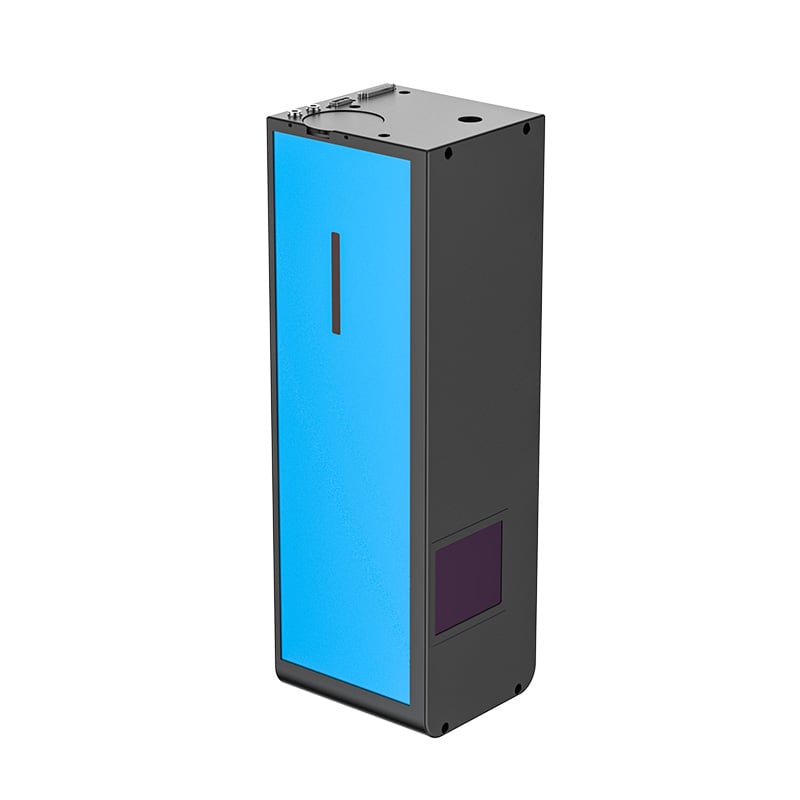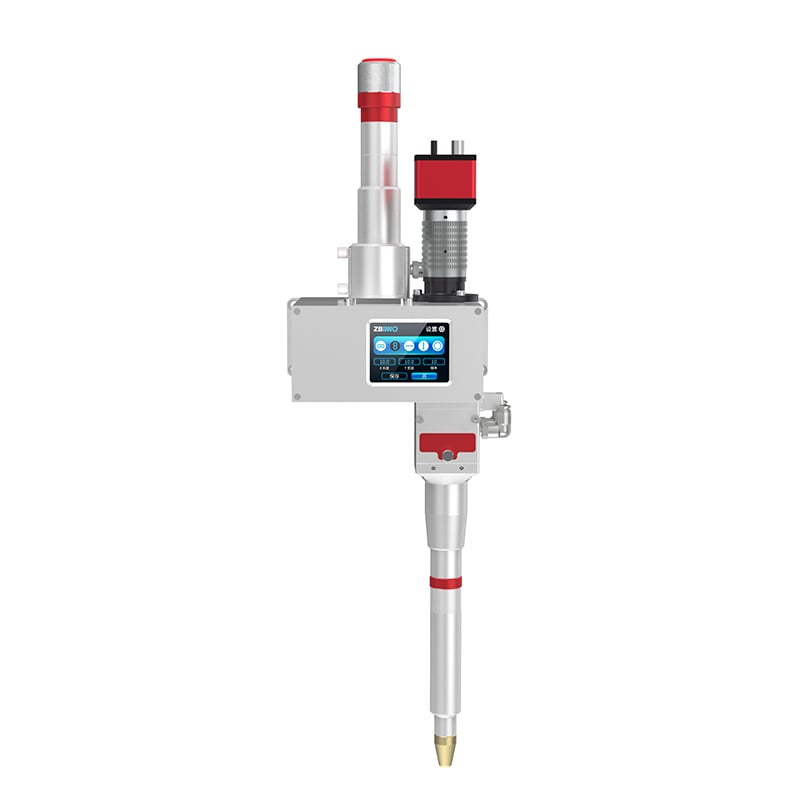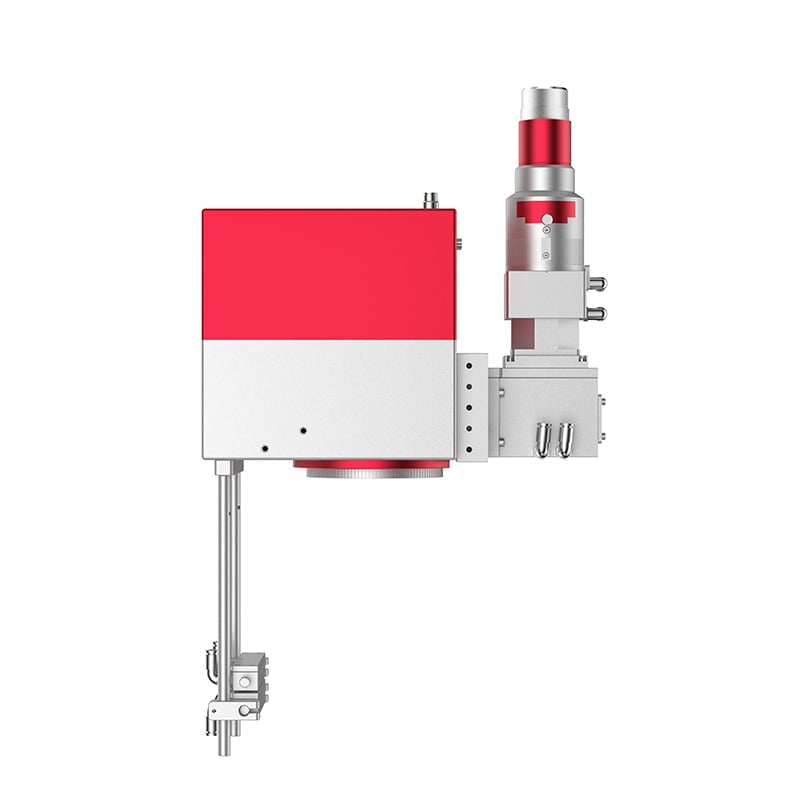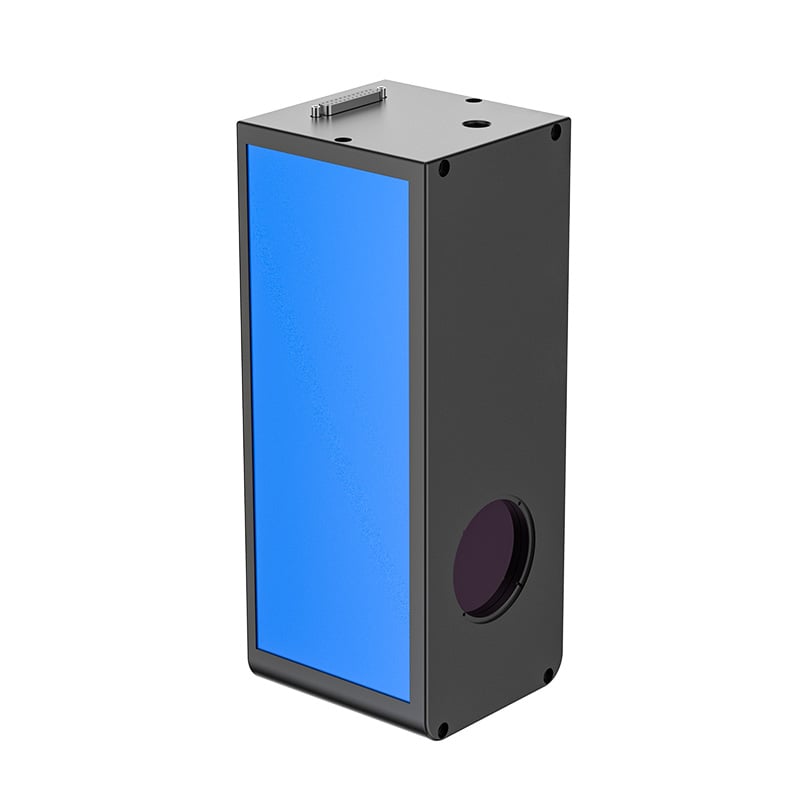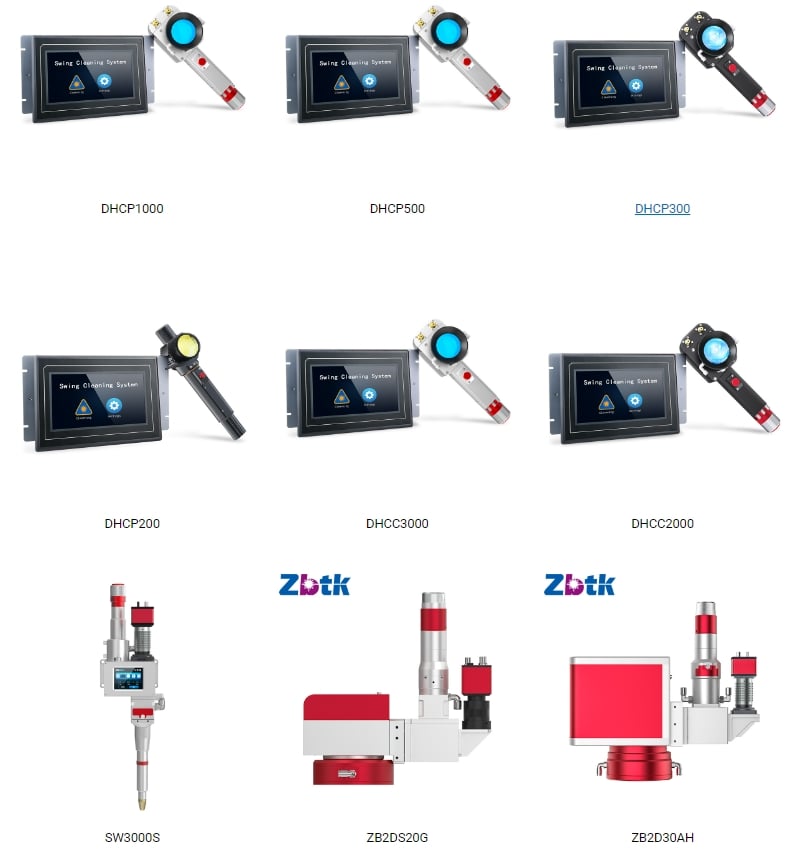
Industrial cleaning has evolved significantly with the advent of advanced technologies, and the laser cleaning machine stands at the forefront of this transformation. This revolutionary equipment offers precise, eco-friendly cleaning solutions that surpass traditional methods in both efficiency and environmental impact. Manufacturing facilities, restoration projects, and maintenance operations increasingly rely on these sophisticated systems to achieve superior results while reducing operational costs and environmental footprint.
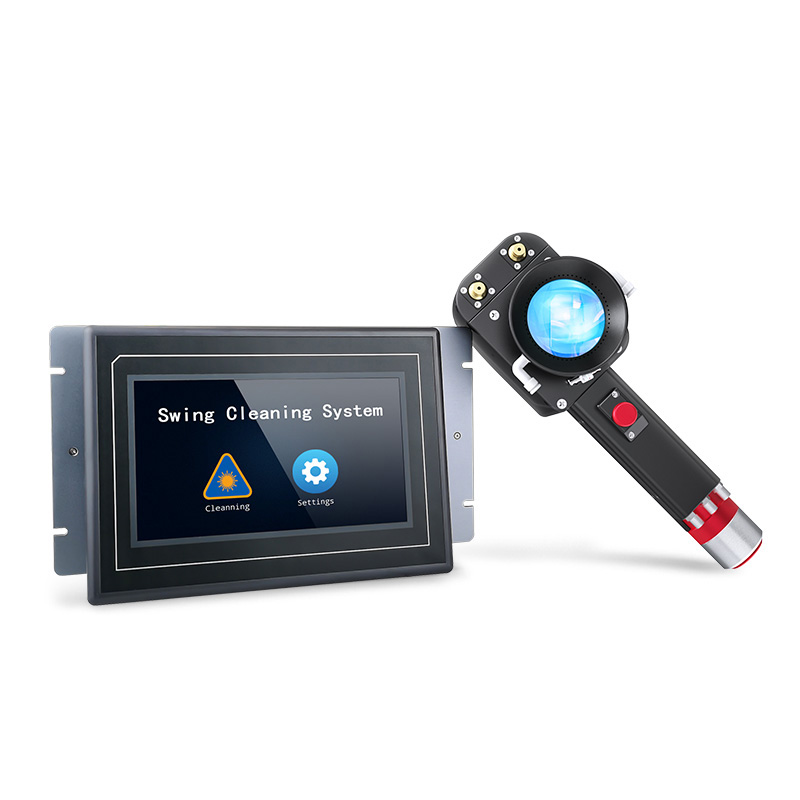
Selecting the appropriate laser cleaning machine requires careful consideration of multiple technical and operational factors. The decision-making process involves evaluating power requirements, material compatibility, operational environment, and long-term maintenance considerations. Understanding these parameters ensures optimal performance and maximum return on investment for your specific cleaning applications.
The laser cleaning machine operates through controlled photon energy delivery that selectively removes contaminants while preserving substrate materials. This process relies on differential absorption rates between target contaminants and underlying surfaces. The laser beam generates intense localized heating that causes rapid expansion and vaporization of unwanted materials, creating a clean surface without chemical residues or mechanical abrasion.
Modern laser cleaning systems utilize pulsed fiber laser technology that delivers precise energy bursts measured in nanoseconds. This ultra-short pulse duration minimizes heat transfer to the base material, preventing thermal damage while maximizing cleaning efficiency. The wavelength selection typically ranges from 1064nm for most applications, providing optimal absorption characteristics for common industrial contaminants including rust, paint, oils, and oxidation layers.
Compared to sandblasting, chemical cleaning, or mechanical abrasion, the laser cleaning machine offers superior precision and control. The non-contact process eliminates secondary waste generation while providing real-time adjustability for different contamination types and thicknesses. This selectivity allows operators to remove specific layers without affecting underlying materials, making it ideal for delicate restoration work and precision manufacturing applications.
Environmental benefits include zero chemical consumption, minimal waste generation, and reduced noise pollution compared to conventional methods. The laser cleaning machine operates without producing hazardous byproducts, eliminating disposal costs and regulatory compliance concerns associated with chemical solvents or abrasive media. This sustainability advantage increasingly drives adoption across industries facing stringent environmental regulations.
Power selection represents the most critical decision factor when choosing a laser cleaning machine. Applications requiring light contamination removal, such as surface oxidation or thin paint layers, typically require 50-100 watts of laser power. Medium-duty applications including moderate rust removal or coating stripping benefit from 200-500 watt systems, while heavy industrial cleaning demands 1000+ watt configurations for thick scale removal and extensive contamination.
The relationship between power and cleaning speed directly impacts operational efficiency and cost-effectiveness. Higher power ratings enable faster processing speeds and deeper penetration capabilities, but also increase initial equipment costs and energy consumption. Balancing these factors requires careful analysis of expected workload, production requirements, and budget constraints to identify the optimal power specification for your specific applications.
Beam quality significantly influences the effectiveness and precision of the laser cleaning machine. Superior beam quality ensures uniform energy distribution across the treatment area, preventing hot spots that could damage substrate materials or create inconsistent cleaning results. The M² factor, which measures beam quality, should remain below 1.5 for optimal performance in most industrial applications.
Adjustable spot size capabilities provide operational flexibility for different workpiece geometries and contamination patterns. Smaller spot sizes deliver higher energy density for stubborn contamination removal, while larger spots increase processing speed for extensive surface areas. Modern laser cleaning machines offer real-time spot size adjustment through integrated optics systems, enabling operators to optimize parameters without interrupting workflow.
Different substrate materials respond uniquely to laser cleaning processes, requiring careful parameter optimization for each application. Ferrous metals typically demonstrate excellent compatibility with standard fiber laser cleaning machine wavelengths, allowing effective rust and scale removal without thermal damage. Aluminum and other non-ferrous metals may require adjusted parameters to prevent surface discoloration or micro-structural changes during cleaning.
Composite materials, ceramics, and specialized alloys present unique challenges that demand thorough testing before full-scale implementation. The laser cleaning machine parameters must be carefully calibrated to account for thermal conductivity differences, absorption characteristics, and damage thresholds specific to each material type. This compatibility assessment prevents costly damage and ensures consistent results across diverse applications.
Effective contamination removal depends on understanding the physical and chemical properties of target materials. Organic contaminants such as oils, greases, and adhesive residues typically require lower power settings and shorter exposure times compared to inorganic deposits. Rust and oxidation layers demand higher energy densities but respond predictably to standard laser cleaning machine protocols.
Paint and coating removal complexity varies significantly based on formulation, thickness, and substrate adhesion strength. Multi-layer coatings may require progressive removal strategies using different power settings for each layer. Specialized contaminants like nuclear contamination or hazardous materials necessitate additional safety protocols and may require customized laser cleaning machine configurations designed for contaminated environment operation.
The operational environment significantly impacts laser cleaning machine performance and safety requirements. Indoor facilities benefit from controlled atmospheric conditions that optimize laser propagation and minimize particle interference. Outdoor applications face challenges including atmospheric disturbance, temperature fluctuations, and contamination of optical components that may reduce system effectiveness and increase maintenance requirements.
Ventilation systems play a crucial role in maintaining air quality during laser cleaning operations. While the laser cleaning machine generates minimal airborne particles compared to traditional methods, proper exhaust systems ensure operator comfort and regulatory compliance. Industrial facilities may require integrated ventilation solutions that capture and filter any generated vapors or particles before atmospheric release.
Modern laser cleaning machines incorporate multiple safety systems designed to protect operators and surrounding equipment. Interlock systems prevent accidental activation when safety covers are removed or when personnel enter designated hazard zones. Emergency stop functionality provides immediate power shutdown capability, while beam path monitoring systems detect any optical misalignment that could create unexpected hazard zones.
Eye protection requirements vary based on laser classification and operational parameters. Most industrial laser cleaning machines operate as Class 4 systems requiring comprehensive safety protocols including protective eyewear, controlled access zones, and warning systems. Training requirements ensure operators understand proper safety procedures and emergency response protocols specific to laser cleaning machine operation.
Regular maintenance ensures consistent performance and extends the operational lifespan of your laser cleaning machine investment. Daily maintenance includes optical component cleaning, cooling system inspection, and general cleanliness verification. Weekly protocols involve more thorough optical alignment checks, consumable component assessment, and calibration verification to maintain peak performance standards.
Monthly maintenance schedules should include comprehensive system diagnostics, wear component replacement, and performance benchmarking against baseline specifications. The laser cleaning machine requires periodic optical component replacement, typically every 12-18 months depending on operational intensity and environmental conditions. Establishing relationships with qualified service providers ensures rapid response for complex maintenance requirements or emergency repairs.
Evaluating the total cost of ownership for a laser cleaning machine requires comprehensive analysis beyond initial purchase price. Operational costs include energy consumption, consumable components, maintenance services, and operator training. Comparing these expenses against alternative cleaning methods often reveals significant long-term savings through reduced labor requirements, eliminated consumable costs, and decreased waste disposal expenses.
Productivity improvements through faster cleaning speeds and reduced setup times contribute substantial value that may not be immediately apparent in simple cost comparisons. The laser cleaning machine eliminates surface preparation requirements and post-cleaning processing steps common with traditional methods. These efficiency gains translate to increased throughput capacity and reduced project completion times, generating additional revenue opportunities that justify higher initial investments.
Power selection depends on your specific contamination types and processing requirements. Light contamination removal typically requires 50-100 watts, while moderate applications benefit from 200-500 watts, and heavy industrial cleaning demands 1000+ watts. Consider your expected workload, processing speed requirements, and budget constraints when determining optimal power specifications.
Laser cleaning offers superior precision, zero chemical consumption, minimal waste generation, and reduced environmental impact compared to sandblasting, chemical cleaning, or mechanical abrasion. The non-contact process provides better control and selectivity while eliminating secondary waste and reducing overall operational costs through improved efficiency and reduced consumable requirements.
Safety requirements include proper eye protection, controlled access zones, interlock systems, and emergency shutoff capability. Most industrial systems operate as Class 4 lasers requiring comprehensive safety protocols and operator training. Adequate ventilation, warning systems, and regular safety equipment inspection ensure safe operation while maintaining regulatory compliance.
Maintenance frequency depends on operational intensity and environmental conditions. Daily cleaning and inspection, weekly calibration checks, and monthly comprehensive diagnostics maintain optimal performance. Optical component replacement typically occurs every 12-18 months, while other wear components may require more frequent attention based on usage patterns and operating conditions.
 Hot News
2026-04-02
2026-04-09
2026-04-08
2026-04-06
2026-04-02
2026-03-31

6th Floor, Block B, Wanhe Technology Building, No. 7 Huitong Road, Guangming District, Shenzhen ,Guangdong Province
Copyright © 2026 Shenzhen Zbtk Technology Co., Ltd. Privacy policy
 EN
EN