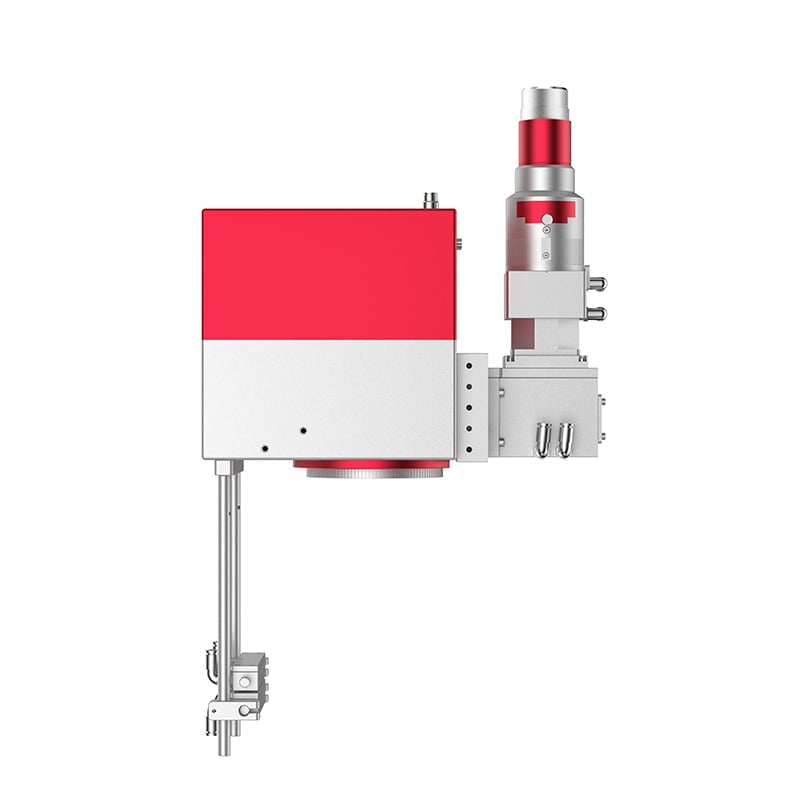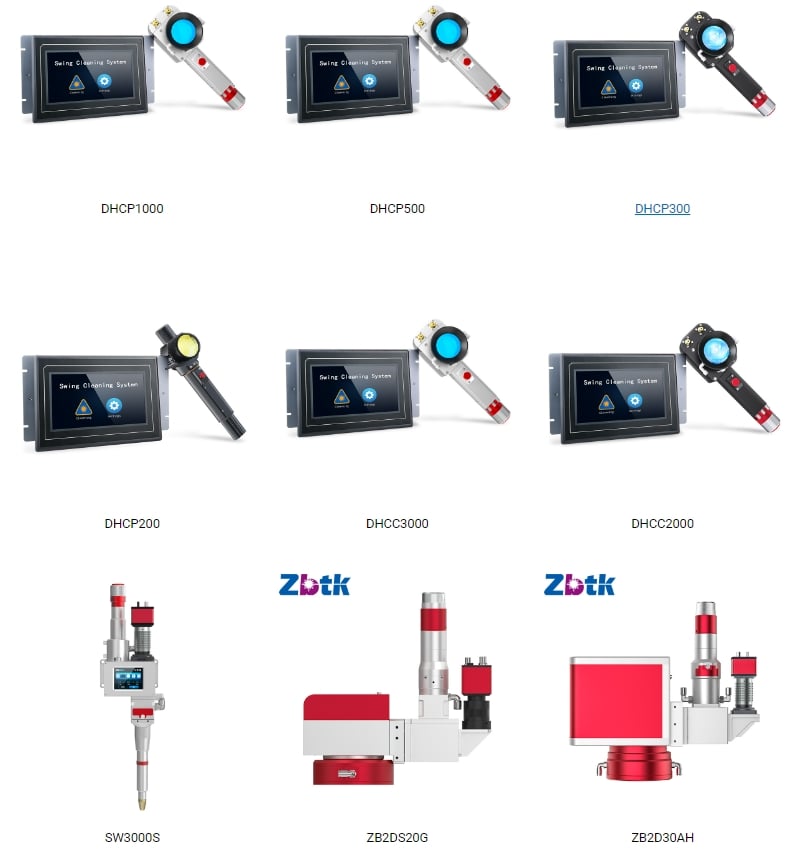
Laser galvo technology has revolutionized industrial automation and micro-processing applications across numerous manufacturing sectors. This sophisticated optical system utilizes galvanometer-driven mirrors to precisely direct laser beams with exceptional speed and accuracy, enabling manufacturers to achieve unprecedented levels of precision in material processing. The integration of laser galvo systems into industrial workflows has transformed traditional manufacturing processes, offering enhanced productivity, reduced operational costs, and superior quality control capabilities.
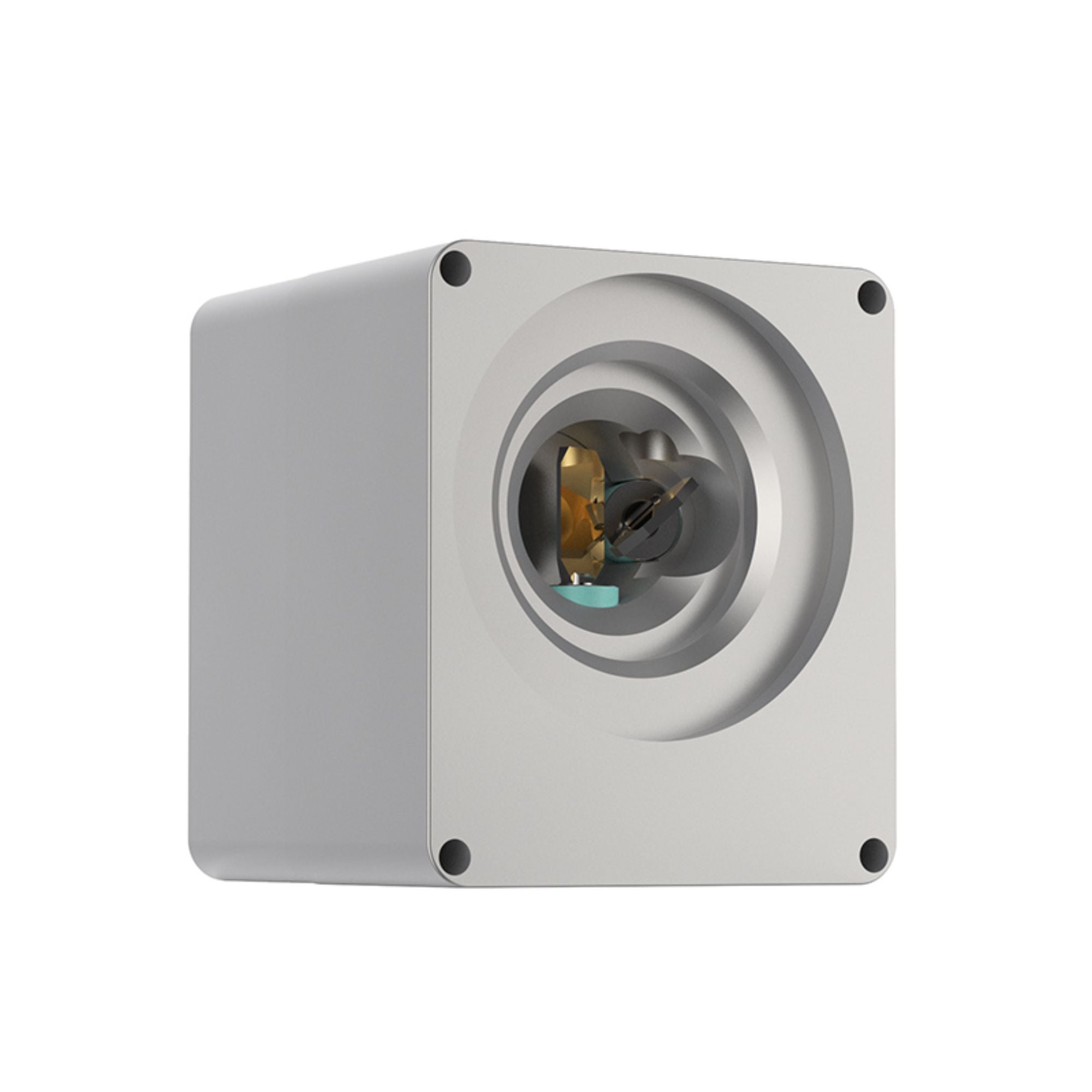
Modern industrial environments demand high-speed processing capabilities that can maintain consistent quality while handling complex geometric patterns and intricate designs. Laser galvo technology addresses these requirements by combining rapid beam positioning with microsecond-level precision, making it indispensable for applications ranging from automotive component marking to medical device manufacturing. The versatility of laser galvo systems enables manufacturers to adapt quickly to changing production requirements while maintaining the highest standards of operational excellence.
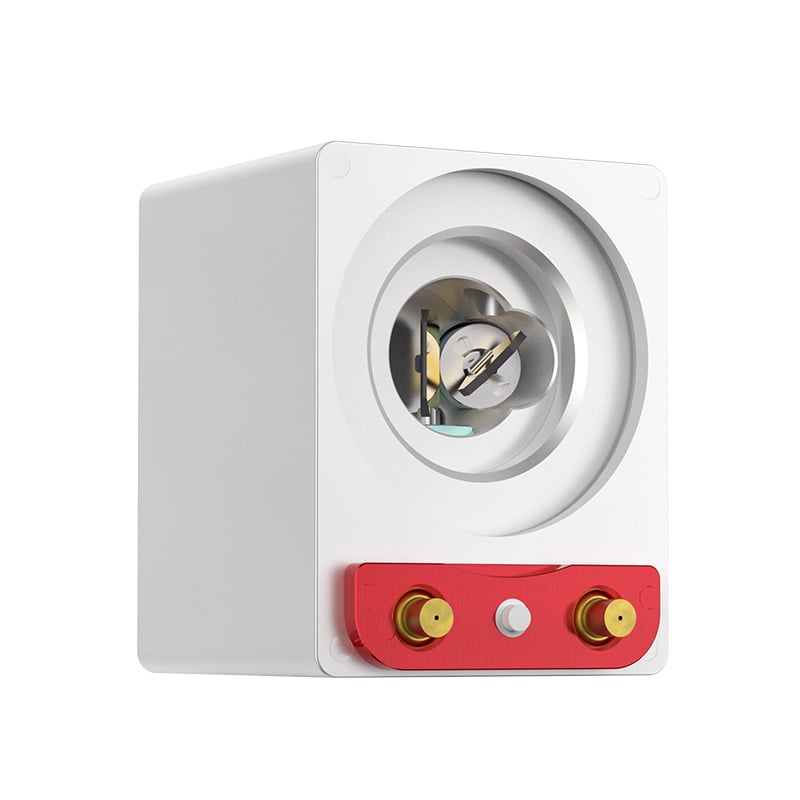
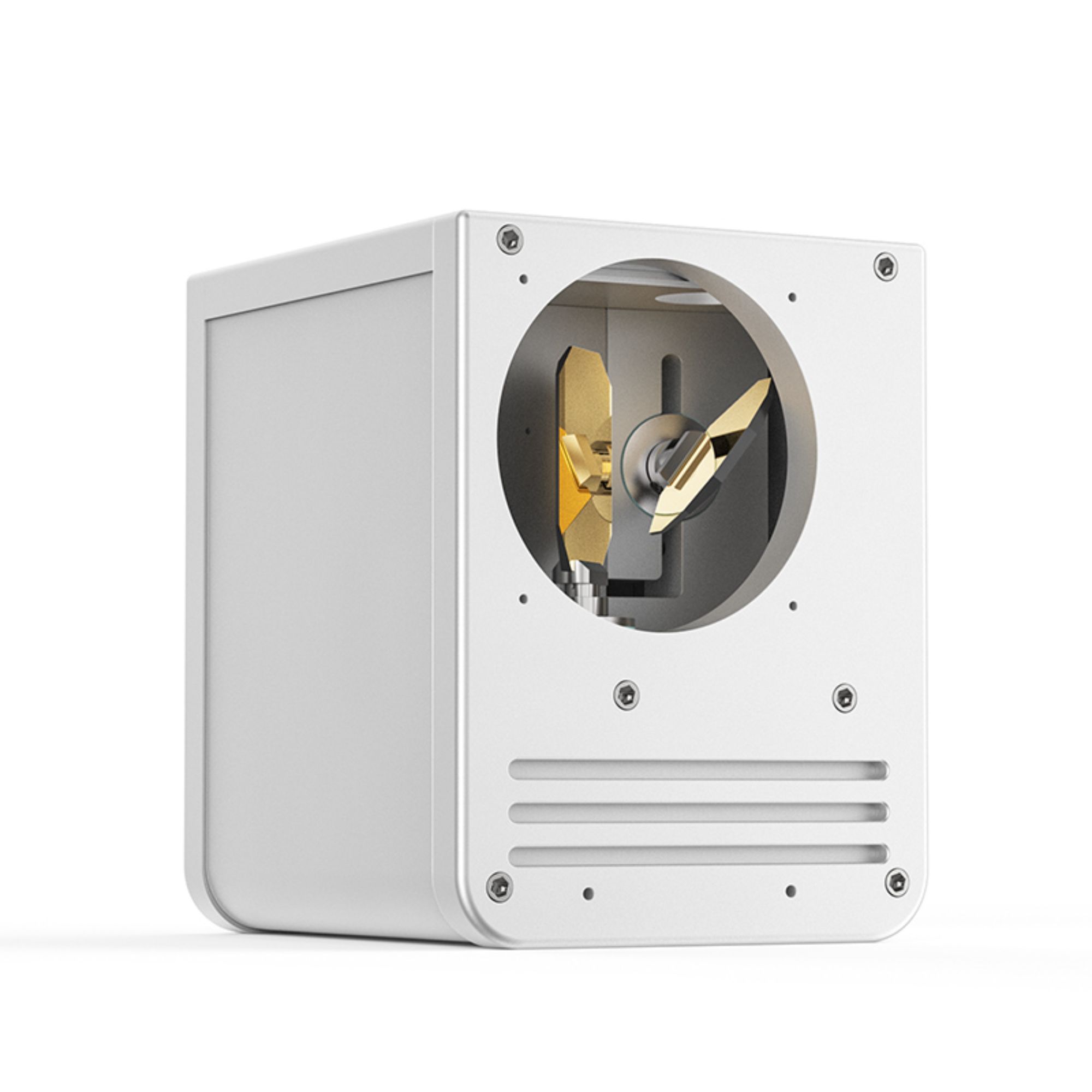
The core functionality of laser galvo technology relies on sophisticated galvanometer-driven mirror assemblies that precisely control laser beam positioning. These systems employ high-performance servo motors coupled with lightweight mirrors to achieve rapid angular movements, typically reaching scanning speeds of several meters per second. The galvanometer mirrors operate on closed-loop feedback control principles, ensuring accurate beam positioning through continuous monitoring of mirror angles and compensating for any deviations in real-time.
Advanced laser galvo systems incorporate dual-axis mirror configurations, with X and Y galvanometers working in coordination to provide complete two-dimensional beam control. This arrangement allows for complex pattern execution without mechanical movement of the workpiece, significantly reducing processing time and improving overall system reliability. The precision of galvanometer control directly impacts the quality of laser processing operations, with modern systems achieving positioning accuracies within micrometers.
Efficient beam path optimization represents a critical aspect of laser galvo performance, directly influencing processing speed and quality outcomes. Sophisticated scanning algorithms analyze complex geometric patterns and determine optimal beam trajectories that minimize processing time while maintaining consistent laser parameters throughout the operation. These algorithms consider factors such as acceleration limits, thermal effects, and material properties to generate scanning sequences that maximize productivity.
The implementation of advanced scanning strategies in laser galvo systems enables manufacturers to process intricate designs with minimal waste and optimal energy utilization. Modern scanning algorithms incorporate predictive modeling capabilities that anticipate thermal effects and adjust laser parameters dynamically to maintain consistent processing quality. This level of intelligent control allows laser galvo technology to handle challenging materials and complex geometries with exceptional reliability.
The integration of laser galvo technology into automated manufacturing lines has transformed production capabilities across various industries. These systems seamlessly interface with industrial control networks, enabling real-time communication with production management systems and quality control databases. The laser galvo scanner technology provides manufacturers with the flexibility to implement on-demand processing capabilities without disrupting existing production workflows.
High-speed manufacturing applications benefit significantly from the rapid processing capabilities of laser galvo systems, which can complete complex marking and cutting operations in seconds rather than minutes. This acceleration in processing speed enables manufacturers to increase throughput while maintaining consistent quality standards, resulting in improved operational efficiency and reduced per-unit production costs. The reliability and precision of laser galvo technology make it particularly valuable for high-volume manufacturing environments where consistency and speed are paramount.
Modern quality control requirements demand comprehensive traceability capabilities that laser galvo technology readily provides through precision marking and coding applications. These systems can create permanent, high-contrast markings on various materials without affecting substrate integrity, enabling manufacturers to implement robust traceability protocols throughout the production lifecycle. The precision of laser galvo marking ensures that codes and identifiers remain legible and scannable even after extended exposure to harsh environmental conditions.
The implementation of laser galvo technology in quality control systems enhances manufacturing compliance capabilities by providing automated documentation and verification processes. These systems can verify marking quality in real-time, automatically rejecting components that fail to meet specified criteria and maintaining detailed records of all processing operations. This level of automated quality assurance significantly reduces the risk of non-conforming products reaching customers while minimizing manual inspection requirements.
The semiconductor industry relies heavily on laser galvo technology for precise micro-processing applications that require exceptional accuracy and repeatability. These systems enable the creation of microscopic features on semiconductor wafers, including via drilling, circuit trimming, and component isolation processes that are essential for modern electronic device manufacturing. The precision capabilities of laser galvo systems allow for feature creation at scales measured in micrometers, supporting the continued miniaturization of electronic components.
Advanced laser galvo systems in semiconductor applications incorporate sophisticated beam shaping and power control capabilities that enable precise material removal without thermal damage to surrounding areas. This level of control is essential for maintaining the electrical properties of semiconductor devices while achieving the geometric precision required for high-performance applications. The repeatability of laser galvo processing ensures consistent results across large production volumes, supporting the demanding quality requirements of the electronics industry.
Medical device manufacturing applications leverage laser galvo technology to create precision components that meet stringent biocompatibility and performance requirements. These systems enable the processing of advanced materials such as titanium alloys, stainless steel, and specialized polymers used in medical implants and surgical instruments. The precision and cleanliness of laser galvo processing eliminates the need for secondary finishing operations, reducing production time and maintaining the sterile conditions required for medical device manufacturing.
The capability of laser galvo systems to create complex three-dimensional features on medical devices supports the development of innovative implant designs and surgical instruments with enhanced functionality. These systems can create micro-textures and surface modifications that promote tissue integration while maintaining the structural integrity of the base material. The precision of laser galvo technology enables manufacturers to implement design features that were previously impossible to achieve using conventional manufacturing methods.
Contemporary laser galvo systems incorporate advanced control architectures that enable real-time monitoring and adjustment of processing parameters throughout operation cycles. These systems utilize high-speed data acquisition and processing capabilities to monitor laser power, beam positioning, and material response characteristics continuously. The integration of artificial intelligence algorithms enables predictive maintenance scheduling and automatic optimization of processing parameters based on real-time performance data.
The implementation of sophisticated monitoring systems in laser galvo technology provides manufacturers with comprehensive visibility into processing operations, enabling proactive quality control and rapid response to process variations. These systems can detect and compensate for environmental factors such as temperature fluctuations and vibration that might affect processing quality, ensuring consistent results regardless of external conditions. The data collected by these monitoring systems supports continuous improvement initiatives and helps optimize processing parameters for new applications.
The integration of laser galvo technology into Industry 4.0 manufacturing environments enables the creation of intelligent production systems that can adapt automatically to changing requirements and optimize performance continuously. These systems leverage Internet of Things connectivity to share processing data with enterprise resource planning systems and enable remote monitoring and control capabilities. The digital integration of laser galvo systems supports predictive analytics and machine learning applications that enhance overall manufacturing efficiency.
Smart manufacturing implementations utilize laser galvo technology as a cornerstone of flexible production systems that can reconfigure automatically to handle different product variants without manual intervention. These systems incorporate advanced scheduling algorithms that optimize resource utilization and minimize changeover times, enabling manufacturers to respond rapidly to market demands while maintaining operational efficiency. The scalability of laser galvo technology supports both high-volume production and small-batch customization requirements within the same manufacturing platform.
Laser galvo technology demonstrates exceptional versatility in processing a wide range of materials, from traditional metals and polymers to advanced composite materials and ceramics. The precision control capabilities of these systems enable optimization of laser parameters for each specific material, ensuring optimal processing quality while minimizing heat-affected zones and material waste. This multi-material compatibility makes laser galvo systems valuable for manufacturers who process diverse material portfolios within their operations.
The adaptability of laser galvo processing extends to various material thicknesses and surface conditions, allowing manufacturers to handle materials ranging from ultra-thin films to thick structural components using the same equipment platform. Advanced pulse control capabilities enable the processing of heat-sensitive materials without thermal damage, while high-power continuous wave operations support efficient processing of thick sections. This flexibility reduces equipment investment requirements and simplifies production planning for manufacturers with diverse processing needs.
Beyond traditional cutting and marking applications, laser galvo technology enables sophisticated surface treatment and modification processes that enhance material properties and functionality. These systems can create controlled surface textures that improve adhesion characteristics, reduce friction, or enhance aesthetic appeal without compromising structural integrity. The precision of laser galvo processing enables the creation of microscopic surface features that provide specific functional benefits for various applications.
Advanced surface modification techniques utilizing laser galvo technology include controlled oxidation processes, surface hardening, and the creation of hydrophobic or hydrophilic surface characteristics. These processes enable manufacturers to enhance product performance without adding material or changing fundamental design characteristics. The repeatability and precision of laser galvo systems ensure consistent surface modification results across large production volumes, supporting quality assurance requirements for critical applications.
The future evolution of laser galvo technology includes the integration of advanced artificial intelligence capabilities that enable autonomous processing optimization and predictive quality control. These systems will incorporate machine learning algorithms that analyze processing data to identify optimal parameter combinations for new materials and applications automatically. The development of AI-enhanced laser galvo systems promises to reduce setup times and improve processing quality while minimizing the need for expert operator intervention.
Emerging AI applications in laser galvo technology include real-time defect detection and correction capabilities that can identify and compensate for processing variations before they result in quality issues. These systems will leverage computer vision and pattern recognition technologies to monitor processing results continuously and adjust parameters automatically to maintain optimal quality standards. The implementation of autonomous processing capabilities will enable laser galvo systems to handle increasingly complex applications with minimal human oversight.
Future developments in laser galvo technology will incorporate advanced beam shaping capabilities that enable the creation of custom beam profiles optimized for specific processing applications. These systems will utilize adaptive optics and programmable beam shaping elements to modify laser beam characteristics dynamically throughout processing operations. The ability to control beam shape and intensity distribution will enable new processing techniques and improve efficiency for existing applications.
The integration of multi-wavelength laser sources with laser galvo scanning systems will enable simultaneous processing with different laser wavelengths, opening new possibilities for material processing and surface modification applications. These systems will provide enhanced control over processing depth and selectivity, enabling the creation of complex multi-layer structures and gradient materials. The development of multi-wavelength laser galvo systems will support advanced manufacturing applications in aerospace, medical, and electronics industries.
Laser galvo technology offers several significant advantages over traditional laser processing methods, including dramatically faster processing speeds due to the elimination of mechanical movement requirements. The precision of galvanometer-controlled beam positioning enables superior accuracy compared to mechanical positioning systems, while the reduced mechanical complexity results in higher reliability and lower maintenance requirements. Additionally, laser galvo systems provide greater flexibility in processing complex geometries and can adapt quickly to different part configurations without tooling changes.
Modern laser galvo systems are designed with comprehensive integration capabilities that enable seamless connection to existing manufacturing automation networks through standard industrial communication protocols such as Ethernet/IP, Profibus, and Modbus. These systems can receive processing instructions directly from manufacturing execution systems and provide real-time feedback on processing status and quality metrics. The integration includes coordination with material handling systems, quality control databases, and production scheduling software to create fully automated processing cells.
Laser galvo systems require relatively minimal maintenance compared to traditional mechanical processing equipment, with primary maintenance activities focusing on optical component cleaning, mirror alignment verification, and periodic calibration procedures. The solid-state nature of galvanometer drives eliminates many mechanical wear components, while advanced monitoring systems provide early warning of potential issues before they affect processing quality. Typical maintenance schedules include weekly optical inspections, monthly calibration checks, and annual comprehensive system evaluations to ensure optimal performance.
Key factors in selecting appropriate laser galvo technology include the required processing area size, which determines the scanning field and lens selection requirements, along with the specific materials to be processed and their thickness ranges. Processing speed requirements and quality specifications must be evaluated against system capabilities, while integration requirements with existing automation systems need consideration. Additionally, factors such as environmental conditions, power requirements, and safety considerations should be evaluated to ensure optimal system performance and compliance with applicable regulations.
 Hot News
2026-04-02
2026-04-09
2026-04-08
2026-04-06
2026-04-02
2026-03-31

6th Floor, Block B, Wanhe Technology Building, No. 7 Huitong Road, Guangming District, Shenzhen ,Guangdong Province
Copyright © 2026 Shenzhen Zbtk Technology Co., Ltd. Privacy policy
 EN
EN
![20mm Additive manufacturing galvo Kit S20GW-Pro-[FB]-QU](https://shopcdnalpha.grainajz.com/category/72164/1455/14de74839151c6f8757f6d85721c0927/3.jpg)