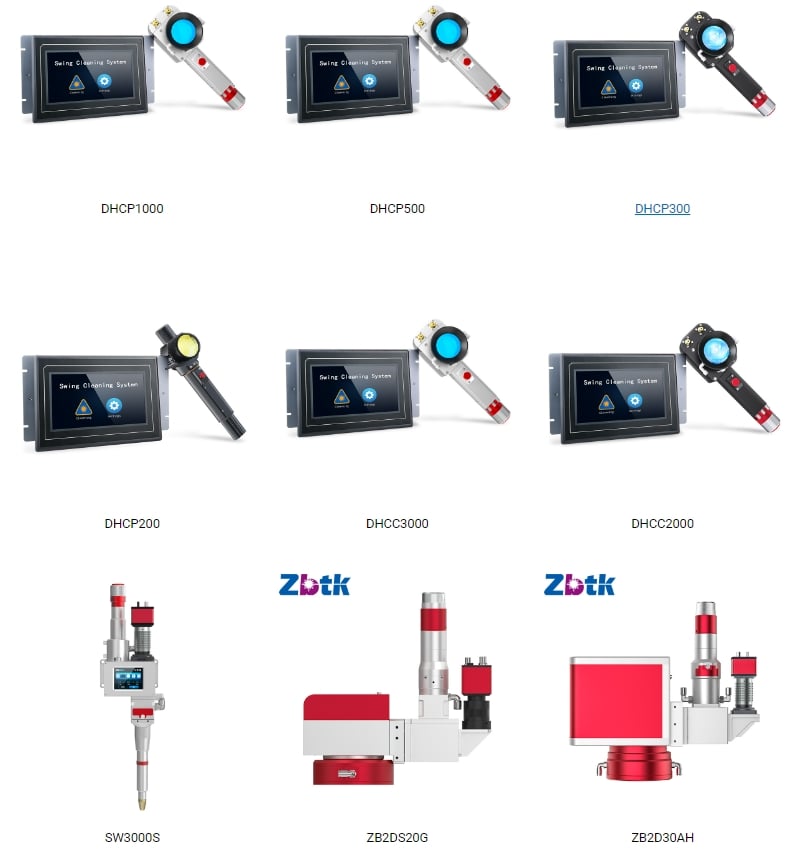
Manufacturing industries across the globe are experiencing a paradigm shift toward precision marking solutions that deliver exceptional speed, accuracy, and reliability. The laser galvo system has emerged as the cornerstone technology for high-speed marking applications, revolutionizing how manufacturers approach product identification, traceability, and decorative marking processes. This advanced laser technology combines sophisticated optical components with precise control mechanisms to achieve marking speeds that were previously unattainable with traditional laser systems.
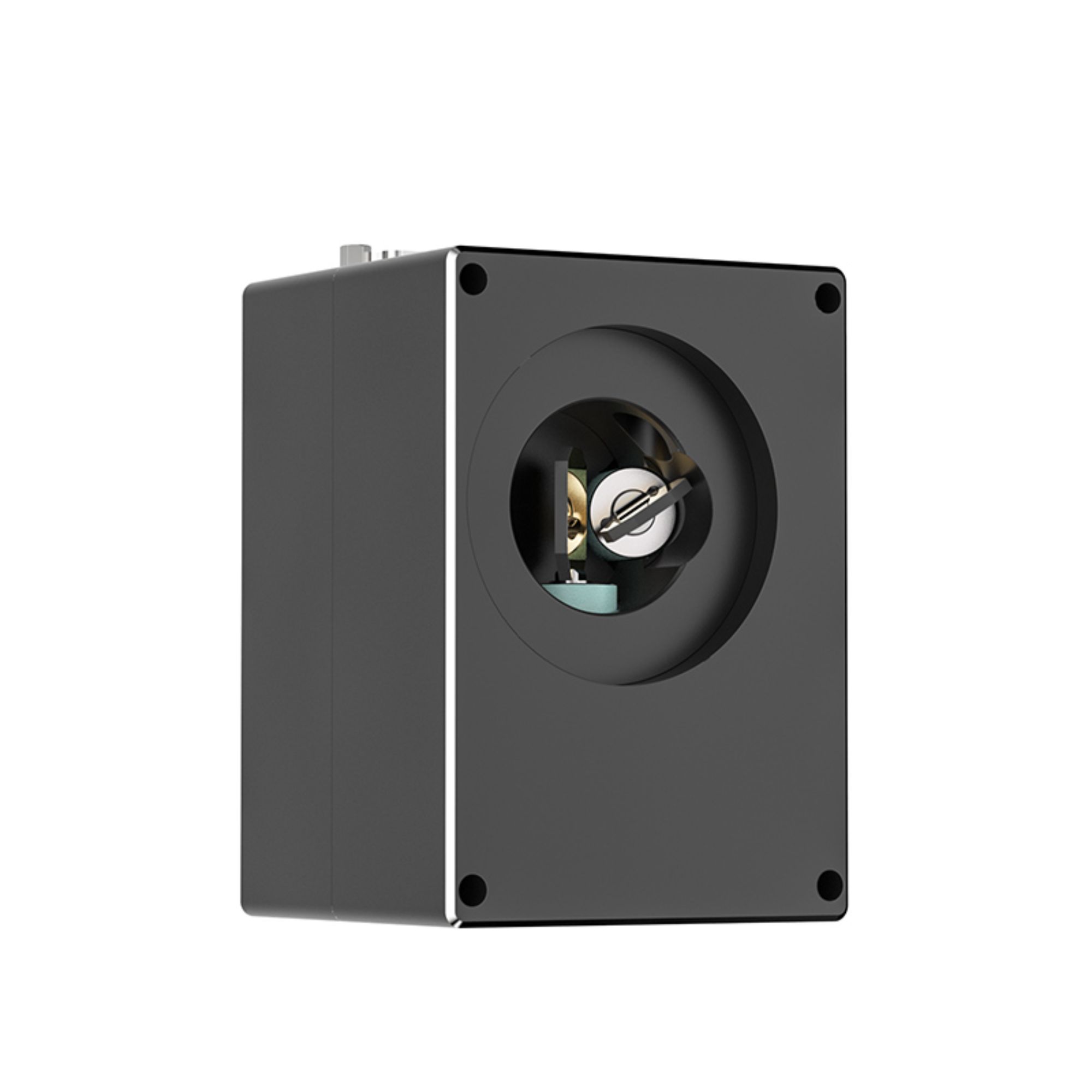
Modern manufacturing demands have pushed laser galvo system technology to unprecedented levels of sophistication. These systems utilize galvanometer mirrors that can deflect laser beams at remarkable speeds, enabling manufacturers to complete complex marking tasks in fractions of the time required by conventional methods. The integration of advanced software control with mechanical precision creates a synergy that addresses the growing need for high-throughput marking operations while maintaining the quality standards essential for industrial applications.
The fundamental advantage of a laser galvo system lies in its ability to achieve marking speeds that far exceed traditional laser marking methods. Galvanometer mirrors can move at velocities reaching several thousand millimeters per second, enabling the system to complete intricate marking patterns in remarkably short timeframes. This speed advantage stems from the lightweight construction of the galvanometer mirrors and their direct coupling to high-performance servo motors that respond instantaneously to control signals.
The acceleration characteristics of galvanometer technology allow for rapid direction changes without compromising positional accuracy. Unlike conventional XY table systems that must physically move the workpiece or laser head, the laser galvo system redirects the beam optically, eliminating mechanical inertia limitations. This optical beam steering approach enables the system to achieve marking speeds that are typically 10 to 20 times faster than traditional mechanical positioning systems.
Advanced control algorithms optimize the movement patterns of galvanometer mirrors to minimize settling time between marking operations. The system can seamlessly transition between different marking geometries while maintaining consistent beam quality and positioning accuracy. This capability proves particularly valuable in applications requiring multiple marking elements, such as serial numbers, logos, and data matrix codes on the same workpiece.
Production efficiency reaches new heights when manufacturers implement laser galvo system technology in their marking operations. The rapid beam positioning capabilities enable continuous marking processes that significantly reduce cycle times compared to conventional marking methods. Manufacturing lines can process higher volumes of products while maintaining consistent marking quality, directly impacting overall productivity metrics and operational costs.
The system's ability to handle complex marking patterns without speed degradation makes it ideal for applications requiring detailed graphics, fine text, or intricate geometric patterns. Traditional marking systems often experience significant slowdowns when processing complex geometries, but galvanometer technology maintains consistent high-speed performance regardless of pattern complexity. This consistency ensures predictable production schedules and reliable throughput calculations.
Integration with automated production lines becomes seamless when utilizing laser galvo system capabilities. The rapid marking cycles allow for inline processing without creating bottlenecks in high-speed manufacturing environments. Synchronization with conveyor systems and robotic handling equipment ensures optimal production flow while delivering precise marking results on every product.
The precision capabilities of laser galvo system technology set new benchmarks for accuracy in industrial marking applications. Advanced galvanometer systems achieve positioning accuracies within single-digit micron ranges, enabling the creation of extremely fine marking details that meet the most demanding quality requirements. This level of precision proves essential for applications in electronics, medical devices, and aerospace industries where marking accuracy directly impacts product functionality and compliance.
Closed-loop feedback systems continuously monitor and correct galvanometer mirror positions to maintain accuracy throughout extended operation periods. Temperature compensation algorithms ensure that thermal variations do not compromise positioning precision, while advanced calibration routines maintain system accuracy over time. These sophisticated control mechanisms enable the laser galvo system to deliver consistent results even in challenging environmental conditions.
The repeatability characteristics of galvanometer technology ensure that identical marking patterns maintain consistent dimensions and positioning across thousands of production cycles. Statistical process control data demonstrates that well-maintained laser galvo system installations achieve repeatability specifications that exceed ±2 microns, making them suitable for the most precision-critical marking applications.
Maintaining consistent laser beam quality during high-speed operations presents significant engineering challenges that laser galvo system technology addresses through sophisticated optical design principles. The galvanometer mirrors utilize specialized coatings and substrate materials that preserve beam characteristics even during rapid movement cycles. This optical stability ensures that marking quality remains consistent regardless of marking speed or pattern complexity.
Advanced beam correction algorithms compensate for any optical distortions that might occur due to galvanometer mirror movements. These real-time corrections maintain focus quality and beam positioning accuracy throughout the entire marking field, ensuring uniform marking characteristics across the working area. The system's ability to maintain consistent beam parameters directly translates to predictable marking depth and width specifications.
Thermal management systems protect galvanometer components from heat-induced distortions that could compromise beam quality. Active cooling systems and thermal isolation techniques ensure that extended operation periods do not degrade optical performance. This thermal stability proves crucial for continuous production environments where laser galvo system operation must maintain consistent performance throughout multiple shift cycles.
The versatility of laser galvo system technology extends across an impressive range of materials, making it an invaluable tool for diverse manufacturing applications. From metals and plastics to ceramics and composites, galvanometer-based systems adapt their operating parameters to achieve optimal marking results on virtually any laser-compatible material. This multi-material capability eliminates the need for multiple marking systems in facilities that process diverse product portfolios.
Parameter optimization databases enable laser galvo system operators to quickly configure settings for different material types without extensive trial-and-error procedures. Pre-programmed material libraries contain tested parameters for common substrates, while advanced users can develop custom parameter sets for specialized materials. This flexibility ensures that manufacturers can adapt to changing product requirements without significant setup time or equipment modifications.
Surface treatment effects achieved through laser galvo system processing range from subtle marking that preserves material properties to deep engraving that creates tactile textures. The precise control over laser power delivery and beam positioning enables operators to achieve desired marking characteristics while maintaining material integrity. This level of control proves particularly valuable for applications requiring specific surface finish requirements or functional marking characteristics.
Different industries benefit from unique advantages that laser galvo system technology provides for their specific marking requirements. Electronics manufacturing utilizes the precision capabilities for creating fine-pitch component markings and circuit identifiers that traditional marking methods cannot achieve. The non-contact nature of laser marking eliminates mechanical stress on delicate components while delivering permanent identification marks.
Medical device manufacturing leverages the sterile processing capabilities of laser galvo system technology to create biocompatible markings without introducing contaminants. The precise control over heat input minimizes thermal stress on temperature-sensitive materials while achieving the permanent markings required for device traceability. Regulatory compliance requirements are easily met through consistent marking quality and comprehensive process documentation capabilities.
Automotive applications benefit from the rapid processing capabilities that enable inline marking of components during high-speed production processes. The system's ability to mark moving parts through fly-marking techniques integrates seamlessly with assembly line operations. Quality standards for automotive marking are consistently met through the precise control and repeatability characteristics inherent in laser galvo system design.
The economic advantages of implementing laser galvo system technology extend far beyond the initial equipment investment. Operational costs decrease significantly due to the elimination of consumable marking materials such as inks, solvents, and replacement tips required by alternative marking methods. The maintenance requirements for galvanometer systems are minimal compared to mechanical marking systems, reducing ongoing service costs and minimizing unplanned downtime.
Energy efficiency characteristics of modern laser galvo system designs contribute to reduced operational expenses through lower power consumption compared to alternative marking technologies. The precise control over laser power delivery ensures that energy is utilized only when needed, eliminating wasteful standby power consumption. Advanced power management features automatically optimize energy usage based on marking requirements and production schedules.
Labor cost reductions result from the automated operation capabilities and reduced setup requirements of laser galvo system installations. Operators can manage multiple systems simultaneously due to the reliable operation and minimal intervention requirements. Training costs are minimized through intuitive software interfaces and standardized operating procedures that reduce the learning curve for new operators.
Manufacturing facilities typically achieve return on investment within 12 to 24 months when implementing laser galvo system technology for high-volume marking applications. The combination of increased throughput, reduced operational costs, and improved quality characteristics creates multiple revenue streams that justify the initial capital investment. Detailed cost-benefit analyses demonstrate that the productivity improvements alone often justify the investment decision.
Quality improvement benefits contribute significantly to the economic justification for laser galvo system implementation. Reduced rework rates and improved first-pass yield percentages translate directly to cost savings and increased customer satisfaction. The permanent nature of laser marking eliminates warranty claims related to marking durability, further improving the overall cost-benefit equation.
Scalability advantages enable manufacturers to increase production capacity without proportional increases in marking equipment investments. A single laser galvo system can often replace multiple conventional marking stations, reducing floor space requirements and simplifying production line layouts. This consolidation effect amplifies the return on investment while simplifying maintenance and operator training requirements.
Successful integration of laser galvo system technology requires careful consideration of existing production line configurations and workflow patterns. Modern galvanometer systems offer flexible mounting options and communication interfaces that facilitate integration with diverse manufacturing environments. Standardized communication protocols enable seamless data exchange with existing quality management systems and production control networks.
Software integration capabilities allow laser galvo system operation to be synchronized with enterprise resource planning systems and manufacturing execution systems. Real-time production data collection enables comprehensive tracking of marking operations and quality metrics. This integration provides valuable insights into production efficiency and helps identify opportunities for continuous improvement.
Automation interfaces enable laser galvo system integration with robotic handling systems and automated material handling equipment. Precise timing coordination ensures optimal production flow while maintaining marking quality standards. Safety interlocks and communication protocols ensure that all system components operate harmoniously without compromising operator safety or product quality.
Proper implementation of laser galvo system technology begins with comprehensive application analysis and system specification development. Understanding the specific marking requirements, production volumes, and quality standards ensures that the selected system configuration will meet all operational objectives. Professional consultation during the specification phase helps avoid costly modifications or performance limitations after installation.
Installation procedures must address environmental factors such as vibration isolation, temperature control, and contamination prevention. Proper installation practices ensure that the laser galvo system achieves its specified performance characteristics and maintains those capabilities throughout its operational lifetime. Calibration procedures verify system accuracy and establish baseline performance metrics for ongoing maintenance programs.
Operator training programs should encompass both technical operation procedures and safety protocols specific to laser galvo system technology. Comprehensive training ensures that operators can maximize system capabilities while maintaining safe working conditions. Ongoing education programs help operators stay current with software updates and advanced operating techniques that can improve productivity and marking quality.
The evolution of laser galvo system technology continues to push the boundaries of speed and precision through advanced component development and control algorithm improvements. Next-generation galvanometer designs incorporate improved magnetic materials and optimized mechanical configurations that deliver even higher acceleration rates and positioning accuracy. These advancements enable marking applications that were previously considered impossible due to speed or precision limitations.
Artificial intelligence integration is beginning to transform laser galvo system operation through predictive maintenance algorithms and automatic parameter optimization. Machine learning capabilities analyze production data to identify optimal processing parameters for different materials and marking requirements. These intelligent systems continuously improve their performance through operational experience, delivering increasingly efficient and reliable marking operations.
Advanced laser source integration expands the capabilities of laser galvo system technology through improved beam characteristics and broader wavelength options. Ultrafast laser sources enable precise material processing without thermal effects, while wavelength-tunable systems optimize material absorption characteristics for different substrates. These laser source advances continue to expand the range of applications suitable for galvanometer-based marking systems.
Industry-specific developments in laser galvo system technology address unique requirements in specialized manufacturing sectors. Semiconductor manufacturing applications benefit from ultra-precise marking capabilities that meet the demanding accuracy requirements of microelectronic device production. Advanced beam shaping techniques enable marking features that approach the resolution limits of optical processing systems.
Medical device applications drive development of specialized laser galvo system configurations that meet stringent biocompatibility and sterility requirements. Cleanroom-compatible designs and validated processing procedures ensure that medical device marking meets regulatory requirements while maintaining the high-speed processing capabilities essential for efficient production. Advanced traceability features enable comprehensive documentation of marking processes for regulatory compliance purposes.
Aerospace and defense applications push laser galvo system technology toward extreme environmental tolerance and reliability specifications. Ruggedized system designs operate reliably in challenging environmental conditions while maintaining precision marking capabilities. Security features and process validation capabilities meet the stringent requirements of defense contractor quality systems.
Laser galvo system technology delivers marking speeds that are typically 10 to 20 times faster than traditional XY table systems due to the elimination of mechanical inertia limitations. While XY table systems must physically move the workpiece or laser head, galvanometer systems redirect the laser beam optically through lightweight mirrors that can change direction instantaneously. This optical beam steering approach enables complex marking patterns to be completed in fractions of the time required by mechanical positioning systems, making galvanometer technology ideal for high-throughput production environments.
Modern laser galvo system technology achieves positioning accuracies within single-digit micron ranges, with well-maintained installations consistently delivering repeatability specifications better than ±2 microns. Advanced closed-loop feedback systems continuously monitor and correct galvanometer mirror positions, while temperature compensation algorithms ensure that thermal variations do not compromise precision. These accuracy levels make galvanometer systems suitable for the most demanding applications in electronics, medical devices, and aerospace industries where marking precision directly impacts product functionality and regulatory compliance.
Yes, laser galvo system technology offers exceptional versatility across diverse material types including metals, plastics, ceramics, and composites without requiring physical equipment modifications. Parameter optimization databases enable operators to quickly configure processing settings for different materials using pre-programmed material libraries or custom parameter sets. The precise control over laser power delivery and beam positioning allows the system to adapt marking characteristics to achieve optimal results on virtually any laser-compatible substrate while maintaining consistent quality standards.
Laser galvo system maintenance requirements are minimal compared to mechanical marking systems, primarily involving periodic calibration verification and optical component cleaning. The elimination of consumable materials such as inks or replacement tips significantly reduces ongoing maintenance costs and unplanned downtime. Preventive maintenance schedules typically include monthly calibration checks, quarterly optical cleaning procedures, and annual comprehensive system inspections. Advanced diagnostic capabilities enable predictive maintenance approaches that identify potential issues before they impact production operations, further minimizing maintenance-related interruptions.
 Hot News
2026-04-02
2026-04-09
2026-04-08
2026-04-06
2026-04-02
2026-03-31

6th Floor, Block B, Wanhe Technology Building, No. 7 Huitong Road, Guangming District, Shenzhen ,Guangdong Province
Copyright © 2026 Shenzhen Zbtk Technology Co., Ltd. Privacy policy
 EN
EN
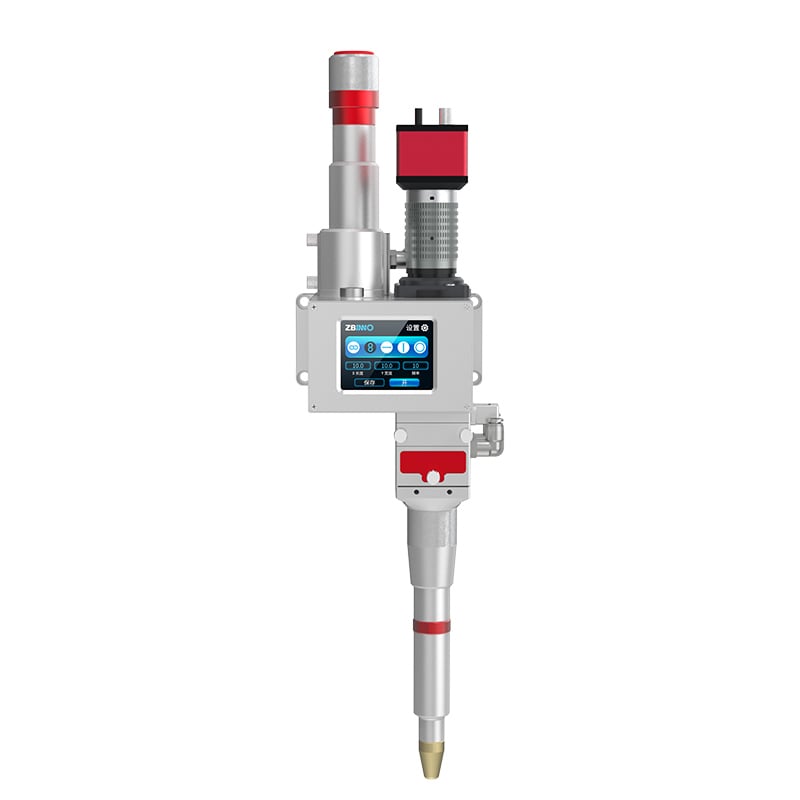
![14mm High precision galvo scanner ZB2D14AW-III-Pro-[FB]](https://shopcdnalpha.grainajz.com/1455/upload/product/f00087390108d038db84295e4308f6f767f2f36a20d8a894683aefa94253901e.jpg)