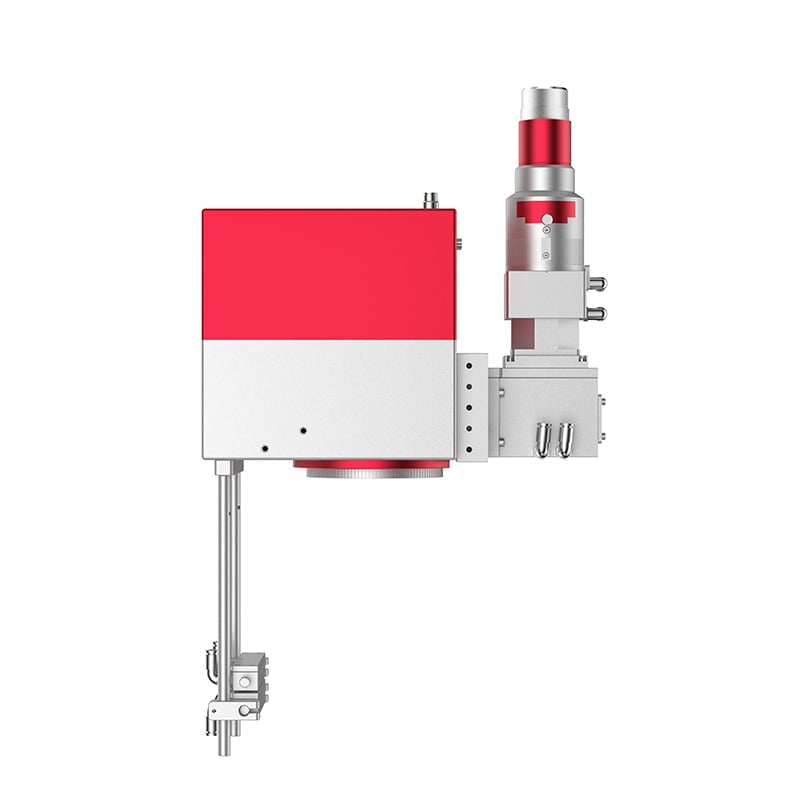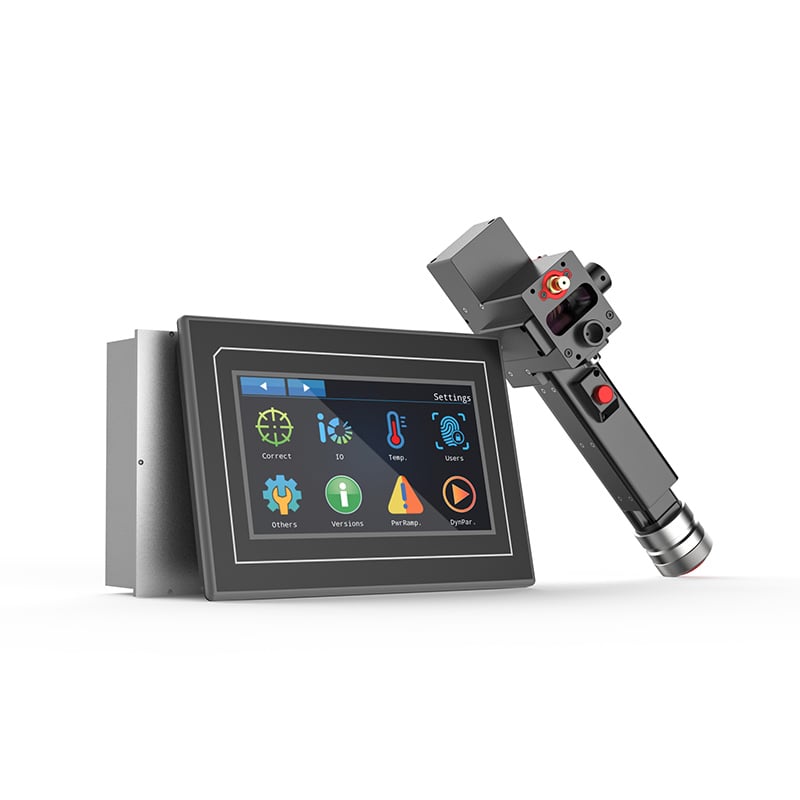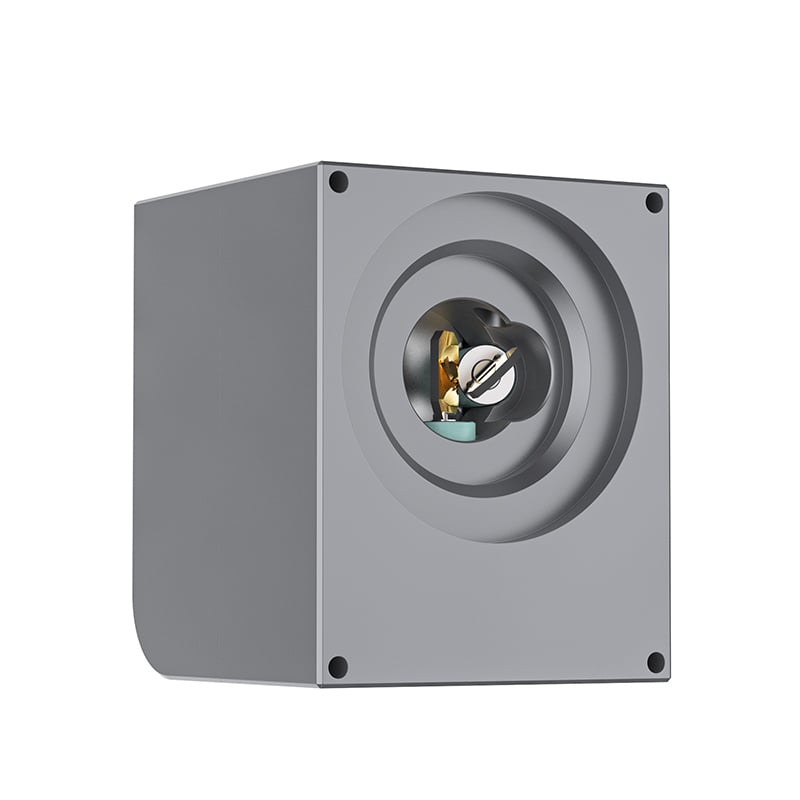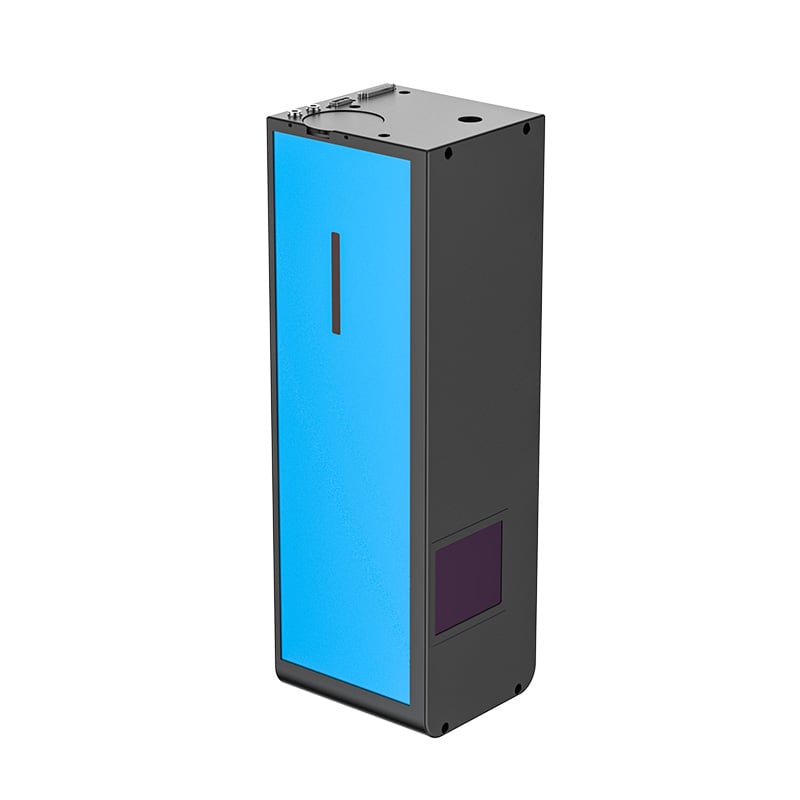
Modern manufacturing and restoration industries increasingly rely on laser cleaning systems to remove rust, paint, oxides, and other contaminants from various surfaces. These advanced systems offer precision, environmental safety, and cost-effectiveness compared to traditional cleaning methods. Understanding proper maintenance procedures ensures optimal performance, extends equipment lifespan, and maximizes return on investment for industrial operations utilizing this cutting-edge technology.
Proper maintenance of laser cleaning systems requires systematic attention to multiple components and operational parameters. Regular upkeep prevents costly downtime, ensures consistent cleaning quality, and maintains safety standards in industrial environments. Operators who implement comprehensive maintenance protocols experience significantly improved equipment reliability and enhanced cleaning performance across diverse applications.
Daily optical system maintenance forms the foundation of effective laser cleaning systems operation. Inspect laser output windows, focusing lenses, and protective covers for contamination, scratches, or thermal damage. Clean optical components using appropriate solvents and lint-free materials to prevent beam distortion or power reduction. Contaminated optics can cause hot spots, reduced cleaning efficiency, and potential component failure.
Document optical component condition using standardized inspection checklists and photographic records. Replace damaged components immediately to prevent cascade failures throughout the optical train. Maintain controlled environments around sensitive optical elements to minimize dust accumulation and environmental contamination during operation.
Monitor cooling system performance daily to prevent thermal damage to laser components and ensure consistent beam quality. Check coolant levels, flow rates, and temperature readings against manufacturer specifications. Verify proper operation of cooling pumps, heat exchangers, and temperature control systems throughout operational cycles.
Inspect cooling lines for leaks, blockages, or signs of corrosion that could compromise system performance. Clean air filters and ventilation components to maintain adequate airflow around heat-generating components. Record all temperature and flow measurements to establish baseline performance trends and identify potential issues before they cause system failures.
Weekly calibration ensures laser cleaning systems maintain precise power output and beam characteristics for consistent cleaning results. Test laser power meters, beam profiling equipment, and safety interlocks to verify proper operation. Calibrate power settings against known reference standards to maintain cleaning consistency across different materials and applications.
Perform beam alignment checks using appropriate measurement tools and adjustment procedures. Document power output variations, beam quality measurements, and any deviations from baseline performance parameters. Address calibration drift immediately to prevent cleaning quality degradation and ensure operator safety during system operation.
Inspect mechanical components including scanning mirrors, positioning systems, and mounting hardware for wear, looseness, or damage. Lubricate moving parts according to manufacturer specifications using appropriate lubricants that won't contaminate optical surfaces or cleaning areas. Check belt tension, bearing condition, and motor performance across all mechanical subsystems.
Verify proper operation of safety systems including emergency stops, protective enclosures, and interlock mechanisms. Test positioning accuracy and repeatability using precision measurement tools to ensure consistent cleaning patterns and dimensional control. Replace worn components proactively to prevent unexpected failures during critical cleaning operations.
Monthly electrical system diagnostics identify potential issues before they cause costly failures in laser cleaning systems. Test power supply stability, voltage regulation, and current draw across all system components. Inspect electrical connections for signs of overheating, corrosion, or loose terminations that could cause intermittent operation or safety hazards.
Perform insulation resistance testing on high-voltage components and verify proper grounding throughout the system. Check control system programming, sensor calibration, and communication interfaces between system components. Document electrical measurements and compare against baseline values to track system health trends over time.
Update control software and firmware according to manufacturer recommendations to maintain optimal performance and security. Backup system configurations, cleaning programs, and operational parameters before implementing updates. Test all system functions after software changes to ensure continued reliable operation and parameter accuracy.
Review system logs for error messages, unusual operational patterns, or performance degradation indicators. Optimize cleaning programs based on accumulated operational data and user feedback. Maintain version control documentation and rollback procedures in case software updates cause unexpected issues with laser cleaning systems operation.
Annual professional service ensures laser cleaning systems meet safety standards and performance specifications. Certified technicians perform comprehensive calibration of laser sources, power measurement systems, and safety interlocks using traceable reference standards. Professional service identifies wear patterns, component degradation, and optimization opportunities not apparent during routine maintenance.
Professional technicians update safety certifications, perform regulatory compliance testing, and provide training updates for operational staff. They assess overall system condition, recommend component replacements, and suggest operational improvements based on current technology developments and industry best practices.
Develop component replacement schedules based on manufacturer recommendations, operational hours, and performance trending data. Plan replacement of consumable items including filters, seals, coolant, and optical components before they reach end-of-life conditions. Maintain adequate spare parts inventory to minimize downtime during scheduled maintenance periods.
Evaluate upgrade opportunities for obsolete components, improved efficiency modifications, and enhanced safety features. Consider technology advances that could improve cleaning performance, reduce operational costs, or expand application capabilities. Document replacement histories and component performance data to optimize future maintenance planning and budgeting decisions.
Power output issues in laser cleaning systems often stem from optical contamination, component aging, or electrical problems. Systematically check optical cleanliness, electrical connections, and cooling system operation when experiencing reduced cleaning effectiveness. Monitor power meter readings during operation to identify intermittent problems or gradual degradation patterns.
Verify proper operation of power control circuits, feedback systems, and safety interlocks that could limit laser output. Check for thermal effects, component alignment issues, or software parameter changes that might affect power delivery. Document troubleshooting steps and solutions to build institutional knowledge for faster problem resolution in future incidents.
Poor beam quality reduces cleaning efficiency and can indicate serious optical system problems requiring immediate attention. Inspect beam profiling equipment, optical alignment, and component condition when experiencing inconsistent cleaning results or visible beam distortion. Check for thermal lensing effects, optical contamination, or mechanical vibration affecting beam characteristics.
Evaluate environmental factors including temperature stability, air quality, and vibration isolation that could affect beam quality over time. Test cleaning performance across different materials and thicknesses to isolate beam quality issues from application-specific variables. Implement corrective measures promptly to prevent permanent damage to expensive optical components.
Proper safety protocols protect operators and maintain compliance with laser safety regulations during maintenance of laser cleaning systems. Ensure appropriate laser safety eyewear, protective clothing, and respiratory protection are available and properly maintained. Train maintenance personnel on laser safety procedures, emergency response protocols, and proper use of safety equipment.
Implement lockout/tagout procedures during maintenance activities to prevent accidental laser activation. Verify proper operation of safety interlocks, warning systems, and emergency shutdown mechanisms before returning systems to service. Maintain current safety certifications and training records for all personnel working with laser cleaning equipment.
Maintain environmental compliance through proper waste handling, emission control, and documentation procedures. Collect and dispose of removed contaminants according to local environmental regulations and material safety requirements. Monitor air quality during cleaning operations and maintain appropriate ventilation and filtration systems.
Keep current documentation including safety certifications, regulatory compliance records, and operational permits. Implement quality management procedures that demonstrate consistent maintenance practices and performance monitoring. Regular compliance audits ensure continued authorization to operate laser cleaning systems in regulated environments.
Professional calibration should occur annually or after 2000 operational hours, whichever comes first. More frequent calibration may be necessary for high-precision applications or systems operating in harsh environments. Calibration frequency depends on usage patterns, environmental conditions, and specific application requirements for cleaning accuracy and repeatability.
Critical components include protective windows, focusing lenses, cooling system filters, and laser diodes. These components experience wear from thermal cycling, contamination exposure, and operational stress. Replacement schedules vary by manufacturer and application, but typically range from 500 to 5000 operational hours depending on component type and operating conditions.
Basic maintenance tasks like cleaning optical surfaces and checking fluid levels can be performed by trained operators. However, laser source calibration, optical alignment, and electrical system work require specialized training and certification. Complex repairs and annual calibration should only be performed by manufacturer-certified technicians with appropriate laser safety training and equipment.
Maintain comprehensive records including daily inspection checklists, calibration certificates, component replacement logs, and performance trend data. Documentation should include maintenance schedules, troubleshooting histories, training records, and regulatory compliance certificates. Proper documentation supports warranty claims, regulatory audits, and optimization of maintenance procedures over time.
 Hot News
2026-04-02
2026-04-09
2026-04-08
2026-04-06
2026-04-02
2026-03-31

6th Floor, Block B, Wanhe Technology Building, No. 7 Huitong Road, Guangming District, Shenzhen ,Guangdong Province
Copyright © 2026 Shenzhen Zbtk Technology Co., Ltd. Privacy policy
 EN
EN
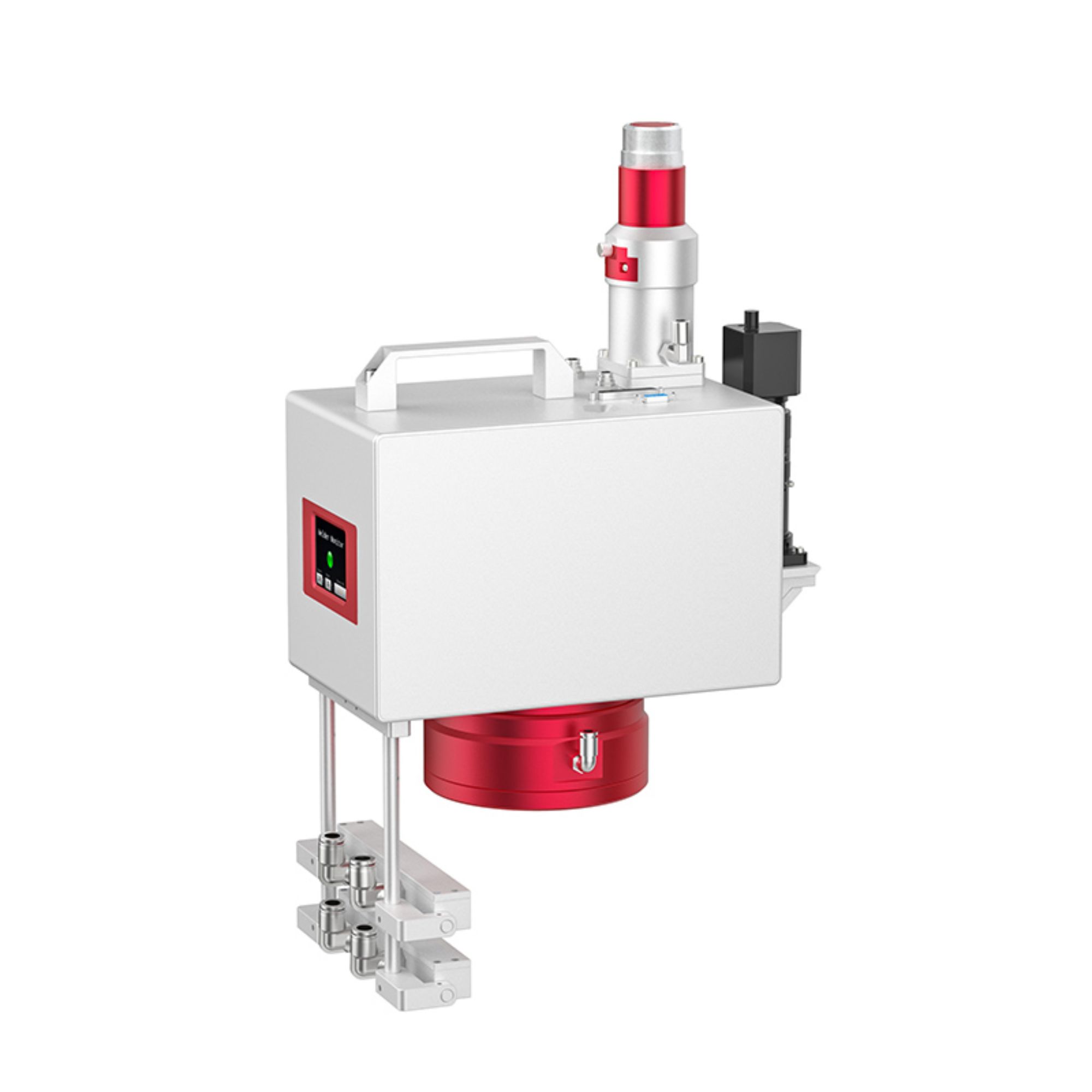
![20mm High precision galvo scanner ZB2DS20G-Max-[FB]](https://shopcdnalpha.grainajz.com/category/72164/1455/29bba847cc80abbe244000235fc4cdcd/1.jpg)