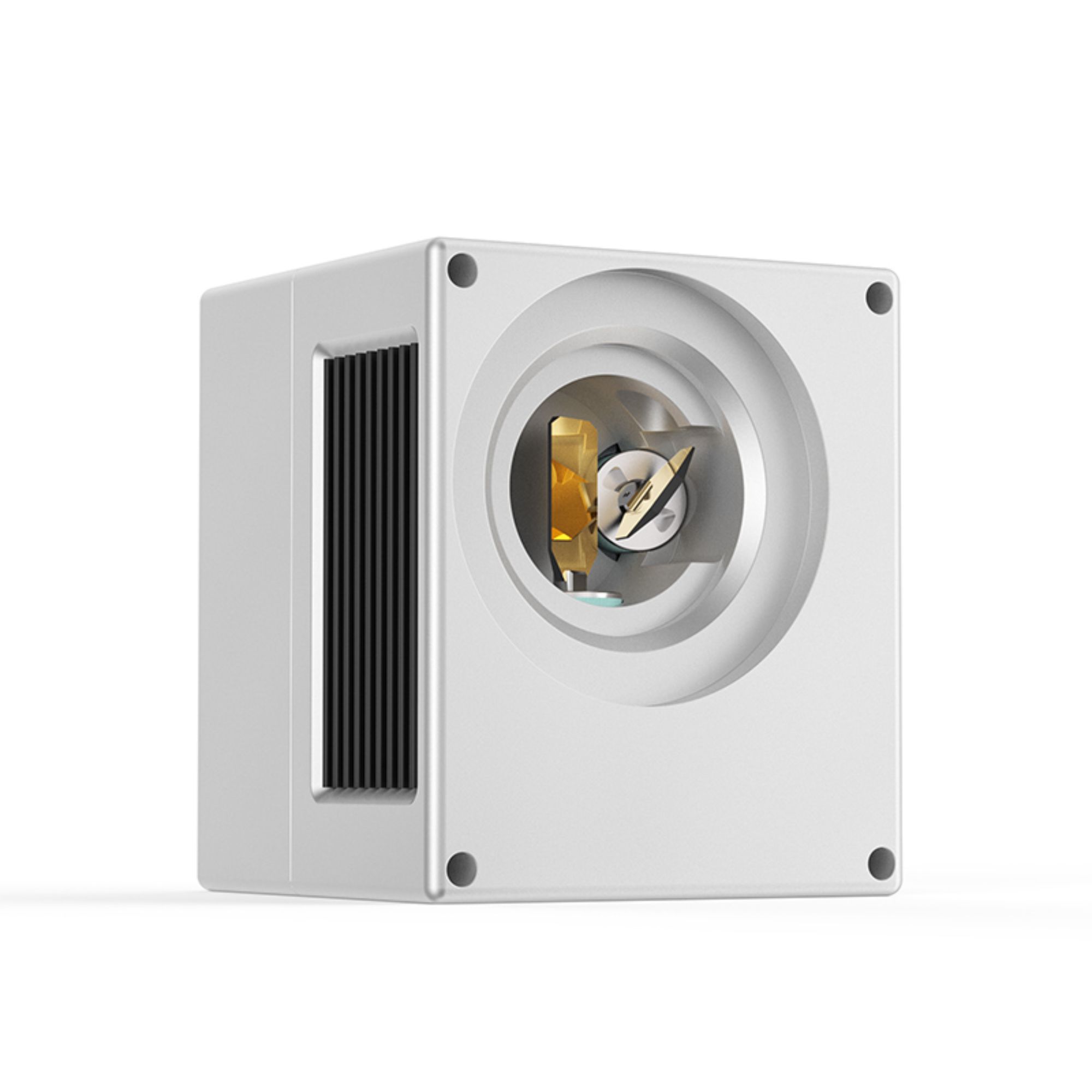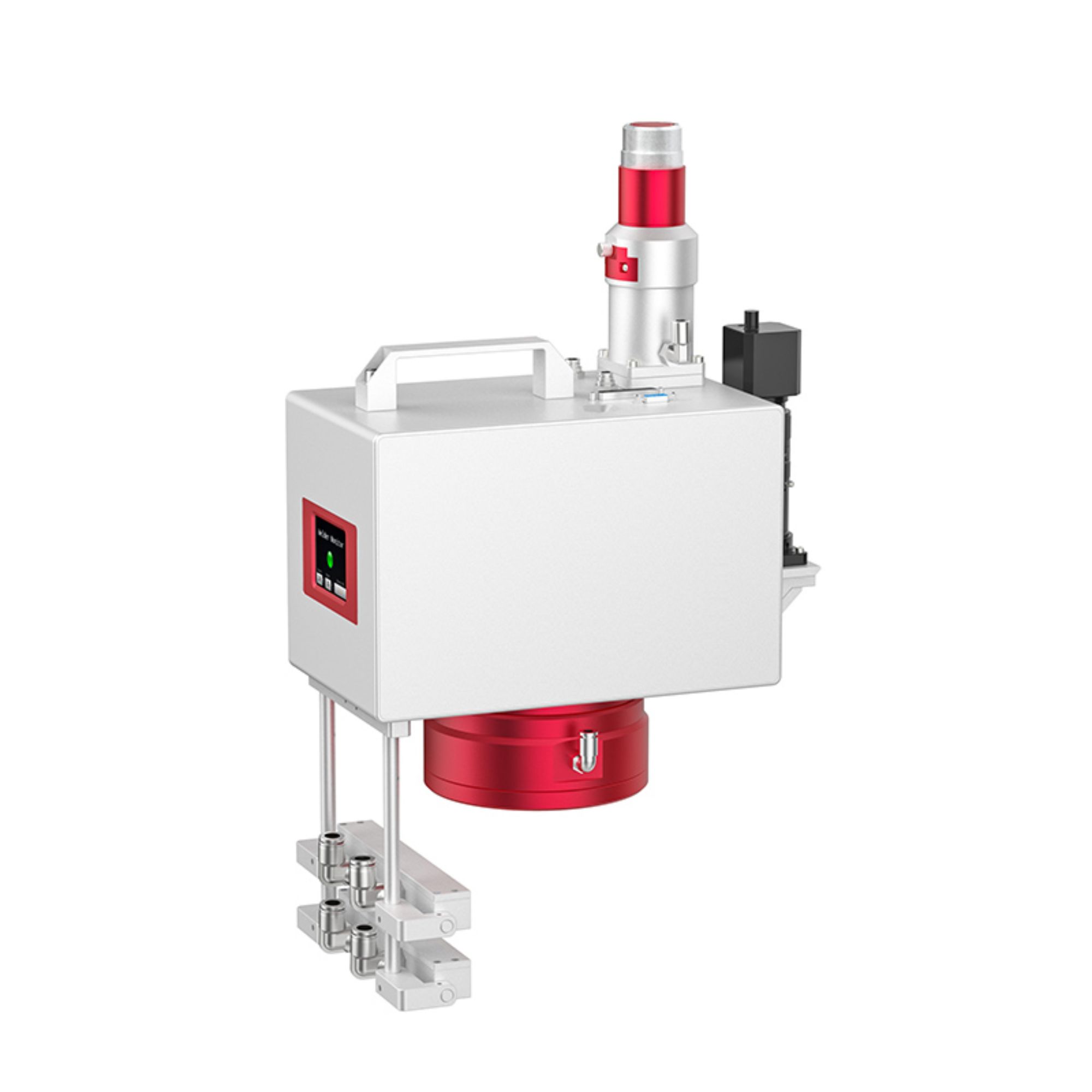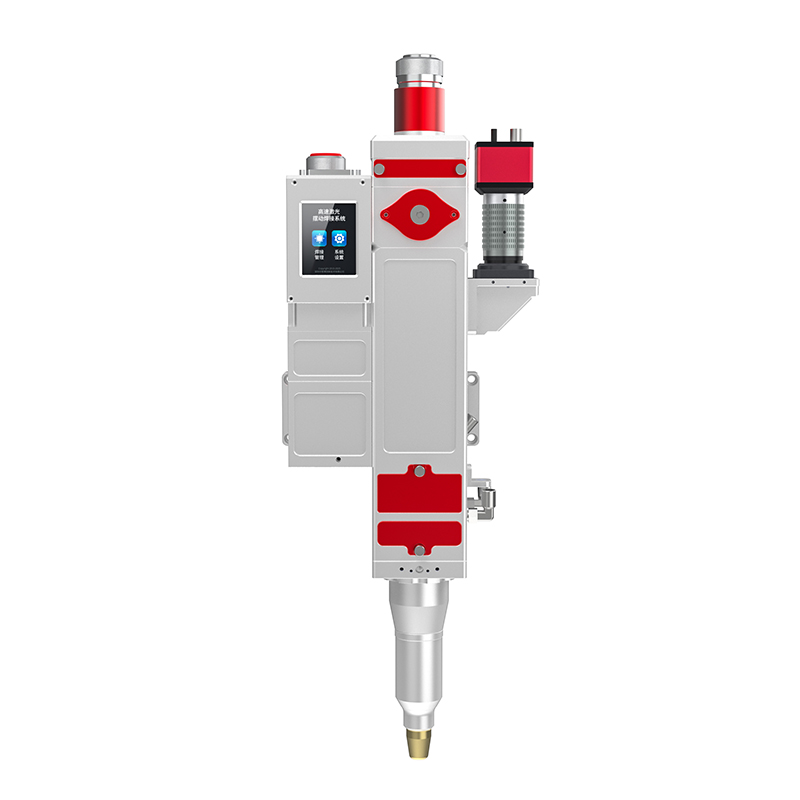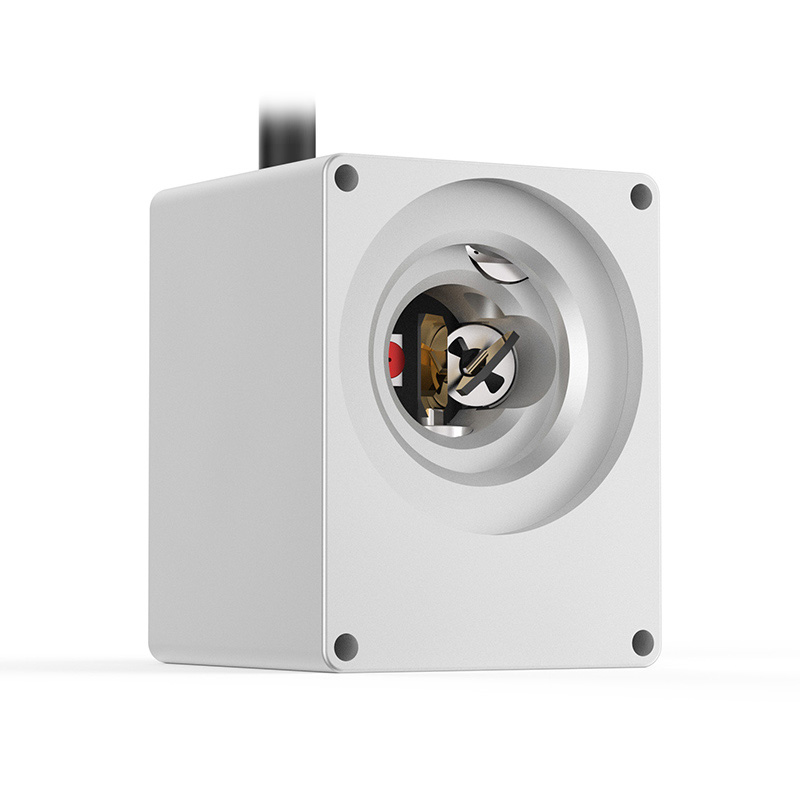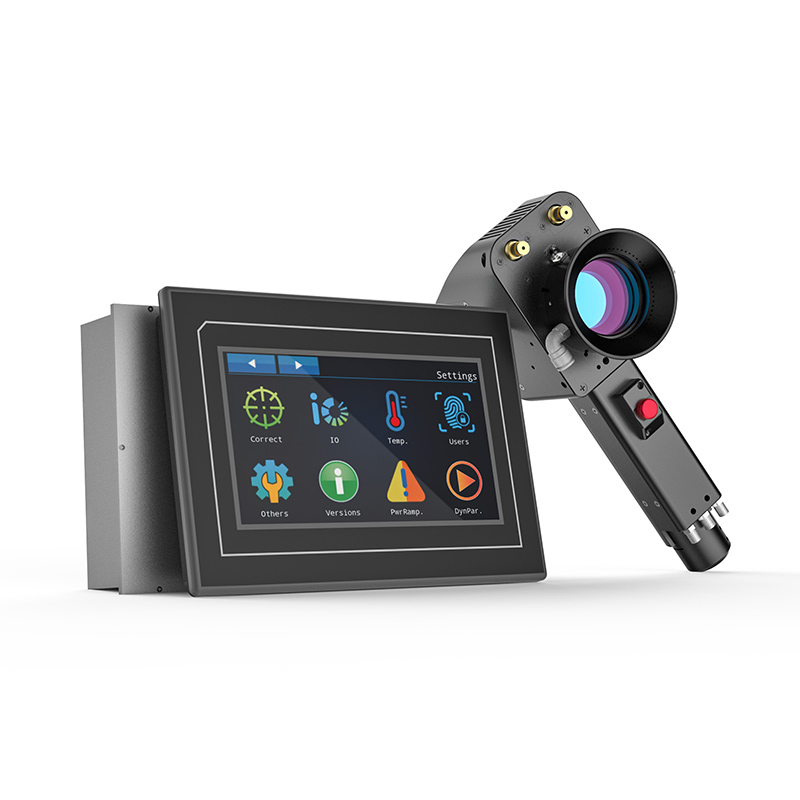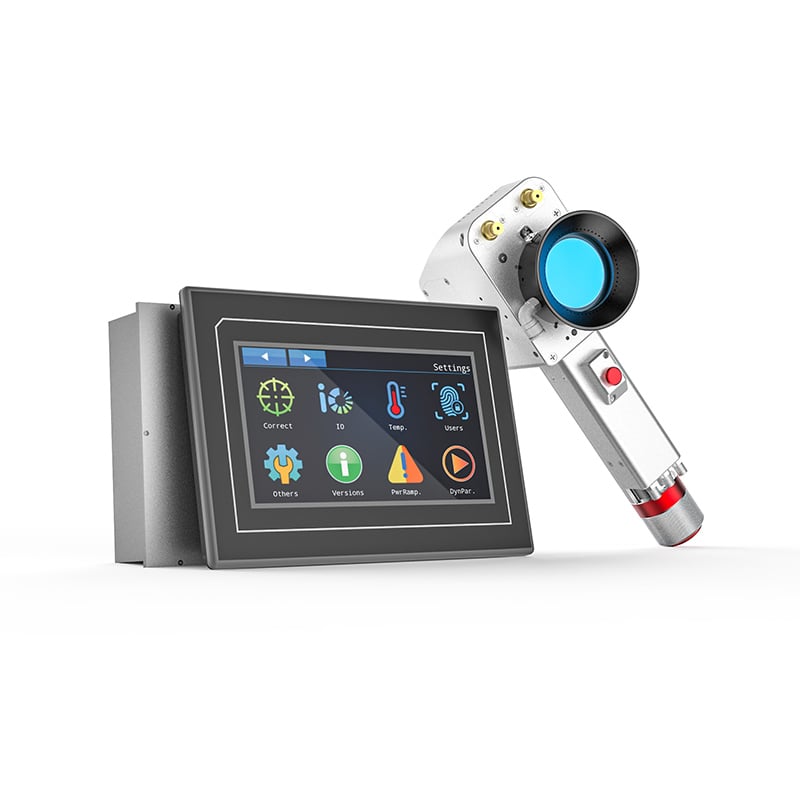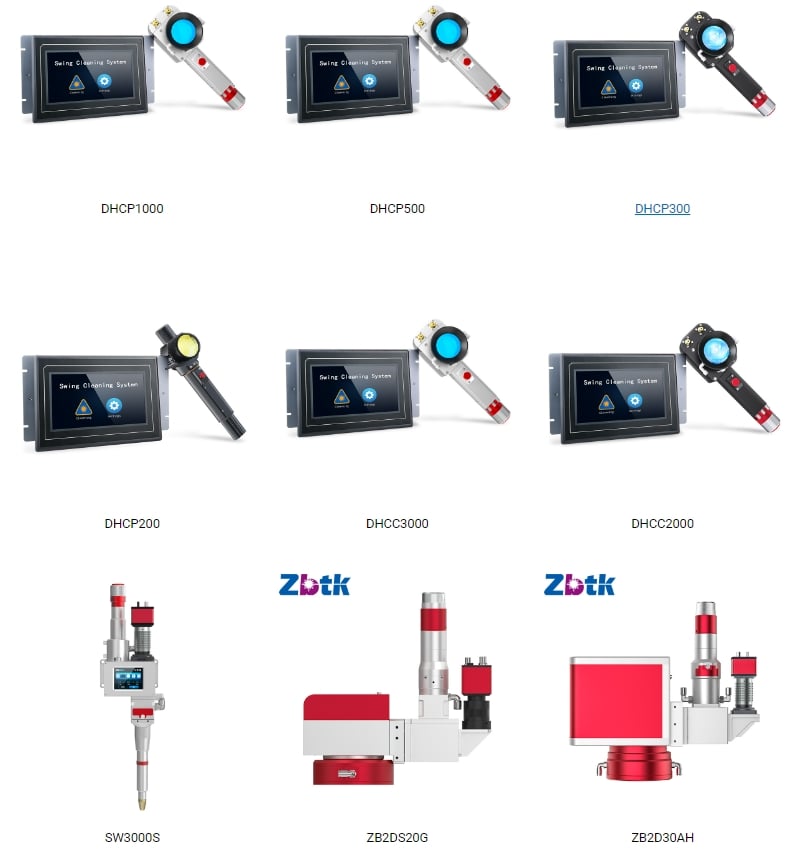
Laser welding technology has transformed manufacturing processes across industries, offering unprecedented precision and efficiency in joining materials. From automotive assembly lines to medical device fabrication, this advanced welding method has become increasingly essential for businesses seeking competitive advantages in production quality and speed. As industries continue to evolve, laser welding technology stands at the forefront of innovation, providing solutions that traditional welding methods simply cannot match.
The sophisticated nature of laser welding technology enables manufacturers to achieve exceptional results in terms of both accuracy and consistency. By harnessing concentrated beams of light, this process creates strong, clean welds that meet the most demanding specifications. The technology's versatility and reliability have made it an indispensable tool in modern manufacturing environments.
Laser welding technology delivers unparalleled precision in joining materials, with the ability to create welds as small as 0.2mm in diameter. This microscopic accuracy proves invaluable in industries like electronics and medical device manufacturing, where even the slightest deviation can affect product functionality. The focused laser beam creates consistent, repeatable results that maintain tight tolerances throughout production runs.
The precision control extends beyond just the weld size - operators can fine-tune parameters such as power density, pulse duration, and beam focus to achieve optimal results for specific applications. This level of control ensures that sensitive components remain undamaged while achieving the desired bond strength.
Modern laser welding technology incorporates advanced monitoring systems that provide real-time feedback on weld quality. These systems can detect and flag potential issues immediately, allowing for rapid adjustments and minimizing waste. The consistency of laser welding also results in fewer defects and reduced need for post-weld inspection, streamlining quality control processes.
The technology's precision also contributes to improved aesthetic outcomes, producing clean, narrow welds that often require minimal finishing. This aspect is particularly valuable in industries where appearance matters, such as luxury goods manufacturing and architectural applications.
Laser welding technology significantly reduces processing times compared to conventional welding methods. The high-energy density of laser beams allows for rapid heating and cooling cycles, enabling faster welding speeds without compromising quality. This increased throughput can dramatically improve production efficiency, allowing manufacturers to meet demanding schedules and reduce lead times.
The automation capabilities of laser welding systems further enhance operational efficiency. Modern systems can be integrated with robotic controls and production line automation, enabling continuous operation with minimal human intervention. This automation not only increases productivity but also ensures consistent quality across large production runs.
While the initial investment in laser welding technology may be substantial, the long-term cost benefits are significant. The process requires minimal consumables compared to traditional welding methods, reducing ongoing material costs. Additionally, the precise energy delivery means less power consumption and more efficient use of resources.
The technology's ability to produce high-quality welds with fewer defects also leads to reduced scrap rates and rework costs. The minimal heat-affected zone characteristic of laser welding helps preserve material properties, potentially reducing the need for expensive post-weld treatments.
Laser welding technology demonstrates remarkable versatility across different materials and joining configurations. The process can effectively weld similar and dissimilar materials, including various metals, plastics, and even some ceramics. This flexibility makes it valuable in industries ranging from automotive manufacturing to aerospace applications.
The technology's adaptability extends to complex geometries and hard-to-reach locations that might be impossible to access with traditional welding equipment. This capability opens new possibilities in product design and manufacturing processes, allowing engineers to optimize components for performance rather than manufacturing limitations.
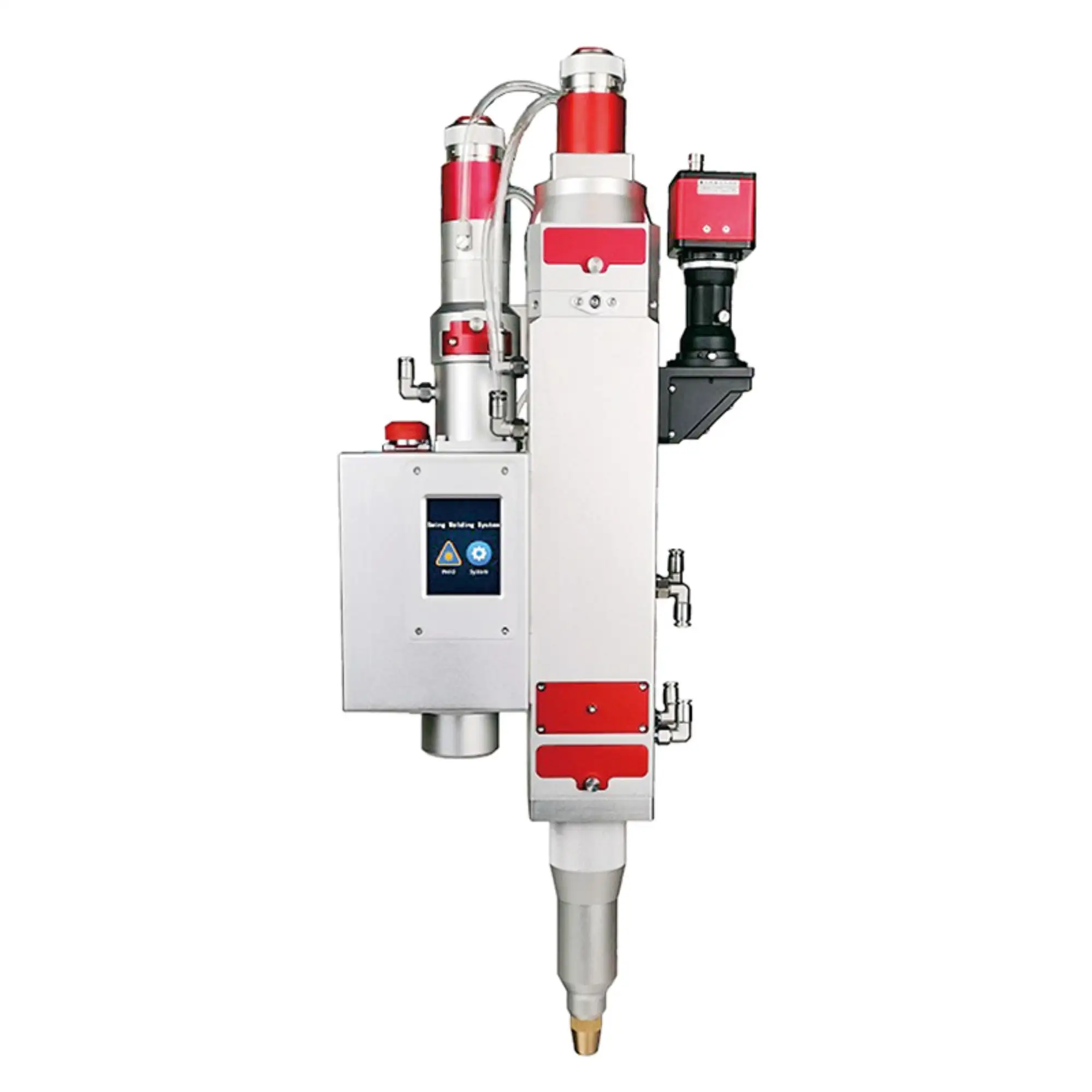
The precise control offered by laser welding technology enables the joining of thin and sensitive materials without distortion or damage. This capability is particularly valuable when working with advanced materials such as high-strength steels, aluminum alloys, and temperature-sensitive components. The minimal heat input and rapid cooling characteristics help maintain material properties and prevent unwanted metallurgical changes.
The technology also excels at welding dissimilar materials, a challenging task with conventional methods. This ability to join different materials opens new possibilities in product design and can lead to significant weight reduction and performance improvements in various applications.
Laser welding technology offers significant environmental benefits compared to traditional welding processes. The precision and efficiency of the process result in lower energy consumption per weld, reducing the overall carbon footprint of manufacturing operations. Additionally, the process produces minimal fumes and requires fewer consumables, contributing to a cleaner working environment and less waste generation.
The technology's ability to optimize material usage and reduce scrap also supports sustainability initiatives. By enabling the joining of lightweight materials and facilitating efficient designs, laser welding can contribute to the production of more environmentally friendly products.
The automated nature of laser welding technology reduces operator exposure to hazardous conditions commonly associated with traditional welding methods. The process generates less heat, smoke, and spatter, creating a safer working environment. Modern laser welding systems also incorporate advanced safety features and enclosures to protect operators from laser radiation and other potential hazards.
The precise control and monitoring capabilities help prevent accidents and ensure consistent safety standards throughout the production process. This improved safety profile can lead to reduced insurance costs and better compliance with workplace safety regulations.
While laser welding technology requires a higher initial investment, it often proves more cost-effective in the long run due to reduced operating costs, fewer consumables, lower energy consumption, and minimal need for post-processing. The improved quality and reduced scrap rates also contribute to overall cost savings.
Laser welding can join a wide range of materials, including various metals (steel, aluminum, titanium), plastics, and some ceramics. It's particularly effective for welding dissimilar materials and thin components that might be damaged by traditional welding methods.
Yes, operators need specialized training to safely and effectively use laser welding equipment. This includes understanding laser safety protocols, system operation, parameter optimization, and quality control procedures. Many equipment manufacturers offer comprehensive training programs for operators and maintenance personnel.
Industries that require high precision, consistent quality, and high production volumes benefit most from laser welding. This includes automotive, aerospace, medical device manufacturing, electronics, and precision engineering sectors. The technology is also valuable in industries where aesthetic appearance and minimal heat distortion are crucial.
 Hot News
2026-04-02
2026-04-09
2026-04-08
2026-04-06
2026-04-02
2026-03-31

6th Floor, Block B, Wanhe Technology Building, No. 7 Huitong Road, Guangming District, Shenzhen ,Guangdong Province
Copyright © 2026 Shenzhen Zbtk Technology Co., Ltd. Privacy policy
 EN
EN