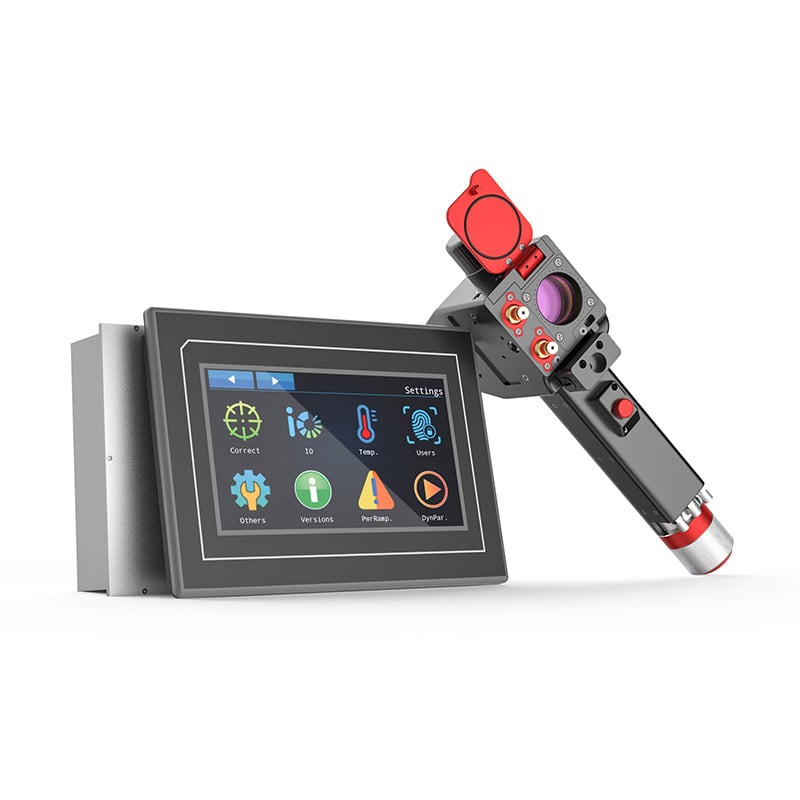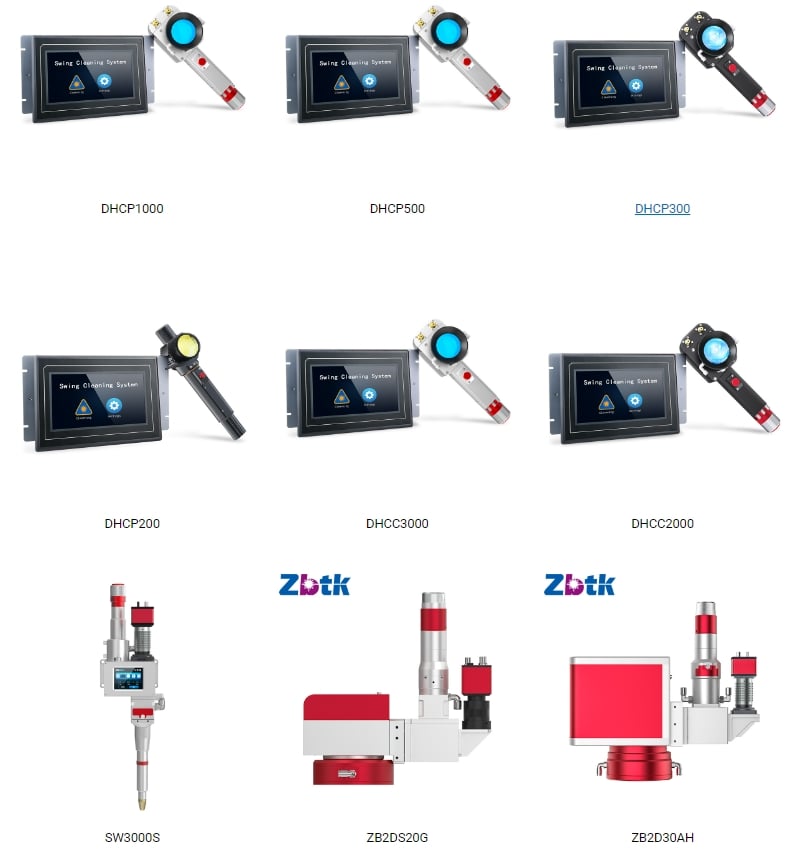
Modern industrial operations across diverse sectors are increasingly adopting advanced technologies to enhance efficiency, reduce environmental impact, and improve safety standards. Among these innovations, laser rust removal machines have emerged as revolutionary tools that transform how industries approach surface cleaning and restoration. These sophisticated systems utilize concentrated laser beams to eliminate rust, paint, oxides, and other contaminants from metal surfaces without damaging the underlying material. The precision and effectiveness of these technologies have made them indispensable across numerous industrial applications, from automotive manufacturing to aerospace engineering.
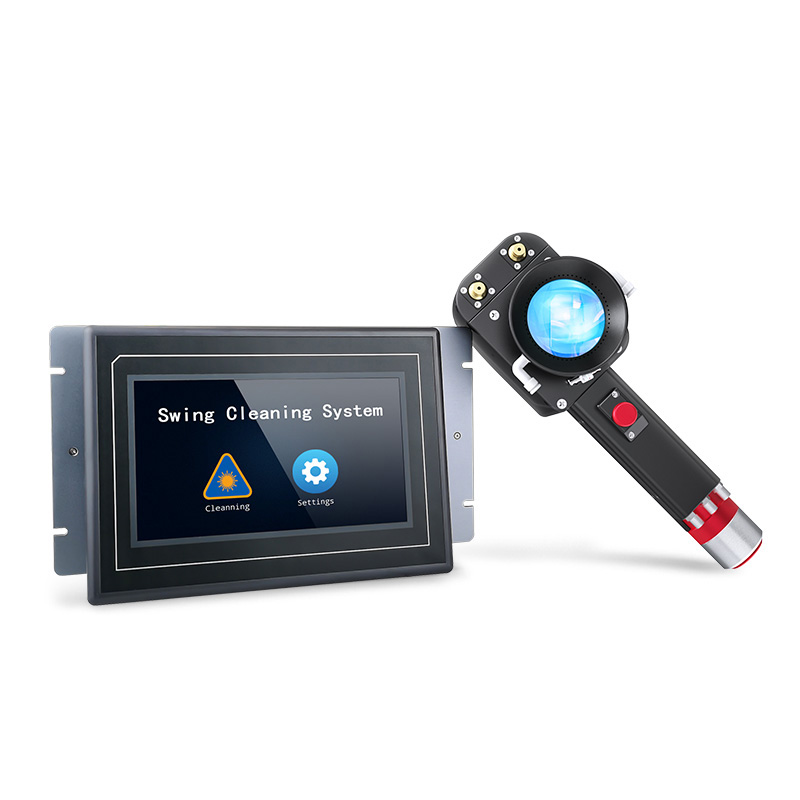
The automotive industry represents one of the largest markets for laser rust removal technology, with manufacturers integrating these systems into their production workflows to ensure superior quality control. Modern automotive plants utilize these machines to clean engine components, chassis parts, and body panels before painting or coating applications. The precision offered by laser technology allows manufacturers to remove rust and contaminants from complex geometries and hard-to-reach areas that traditional methods cannot effectively address. This capability is particularly valuable when working with high-strength steel components and aluminum alloys that require delicate handling.
Production efficiency gains are substantial when automotive manufacturers implement laser cleaning systems, as these machines operate continuously without generating secondary waste or requiring consumable materials. The non-contact nature of the process eliminates concerns about part deformation or dimensional changes that can occur with abrasive cleaning methods. Additionally, the selective removal capability allows operators to clean specific areas while leaving protective coatings or markings intact on adjacent surfaces.
Classic car restoration shops and automotive refurbishment facilities have embraced laser rust removal machines as essential tools for preserving automotive heritage. These establishments often work with vintage vehicles where traditional sandblasting or chemical cleaning methods could damage irreplaceable original materials. Laser technology provides restorers with unprecedented control over the cleaning process, allowing them to remove multiple layers of paint and rust while preserving the underlying metal structure. The ability to adjust laser parameters enables operators to work with different materials and contamination levels throughout a single project.
The growing market for electric vehicle conversion and restoration has further expanded applications for laser cleaning technology in the automotive sector. Restoration specialists frequently encounter components with varying degrees of corrosion and multiple coating layers that require careful removal to assess structural integrity. Laser systems provide the precision necessary to evaluate and prepare these components for modern electric drivetrains while maintaining historical authenticity where desired.
Commercial and military aviation industries rely heavily on laser rust removal machines for critical maintenance operations where safety and precision are paramount. Aircraft components operate in demanding environments that promote corrosion, requiring regular inspection and cleaning to maintain airworthiness standards. Laser technology enables maintenance crews to remove corrosion from aluminum airframes, steel landing gear components, and engine parts without compromising structural integrity or dimensional tolerances. The non-abrasive nature of laser cleaning is particularly important when working with thin-walled structures or components with tight tolerance requirements.
Regulatory compliance in aerospace applications demands documented and repeatable cleaning processes that laser systems readily provide. Modern laser rust removal machines feature integrated monitoring systems that record process parameters, ensuring consistent results and maintaining traceability for regulatory authorities. The ability to clean components in place, without disassembly, significantly reduces maintenance time and costs while minimizing the risk of reassembly errors that could compromise flight safety.
Military organizations worldwide have adopted laser cleaning technology for maintaining weapons systems, vehicles, and support equipment in harsh operational environments. Desert operations, maritime deployments, and extreme weather conditions accelerate corrosion processes that can compromise equipment reliability and readiness. Laser rust removal machines provide field-maintainable solutions that operate without water, chemicals, or extensive support infrastructure, making them ideal for forward-deployed maintenance operations.
The versatility of laser cleaning systems allows defense contractors to address diverse materials and contamination types encountered in military equipment. From removing camouflage coatings for inspection purposes to cleaning corrosion from electronic equipment housings, these machines adapt to varied operational requirements. The elimination of hazardous waste generation is particularly valuable in military applications where environmental compliance and logistics considerations are critical factors in operational planning.
Maritime industries face constant challenges from saltwater corrosion, making laser rust removal machines essential tools for shipbuilding and repair operations. Shipyards utilize these systems for preparing steel plates before welding, cleaning existing structures during maintenance overhauls, and removing marine growth from hull surfaces. The ability to operate in confined spaces and complex geometries makes laser technology particularly valuable for working inside ballast tanks, cargo holds, and engine compartments where traditional cleaning methods are impractical or dangerous.
Environmental regulations governing marine operations have increased demand for clean technologies that eliminate hazardous waste streams and reduce environmental impact. Laser cleaning systems generate no secondary waste beyond the removed contaminants, which can be collected and disposed of appropriately. This capability is crucial for shipyard operations located near sensitive waterways where traditional abrasive cleaning methods are restricted or prohibited.
Oil and gas platforms operating in marine environments require continuous maintenance to combat the effects of saltwater exposure, extreme weather, and operational stresses. Offshore maintenance crews employ laser rust removal machines to clean structural components, pipeline connections, and safety equipment without interrupting critical operations. The portability and self-contained operation of modern laser systems make them practical for helicopter transport to remote platform locations where traditional cleaning equipment would be impractical to deploy.
Safety considerations are paramount in offshore environments, where spark generation or chemical exposure could trigger catastrophic incidents. Laser cleaning technology eliminates these risks while providing superior cleaning results compared to manual methods. The precision control available with laser systems allows operators to clean around sensitive instrumentation and control systems without risk of damage or contamination.
Steel mills and metal processing facilities integrate laser rust removal machines throughout their operations to maintain product quality and equipment reliability. Rolling mills utilize these systems to clean roll surfaces and remove scale buildup that can affect product surface quality. The ability to clean rolls in position, without removal from production equipment, minimizes downtime and maintains production schedules. Laser technology also enables steel processors to prepare surfaces for specialized coatings and treatments that require exceptional cleanliness levels.
Quality control applications in steel processing benefit significantly from the precision and repeatability of laser cleaning systems. Inspection processes require clean surfaces to accurately assess material properties and detect defects that could compromise product performance. The selective cleaning capability of laser technology allows quality control personnel to expose specific areas for examination while preserving protective coatings on adjacent surfaces.
Power plants and energy generation facilities employ laser rust removal machines to maintain critical equipment that operates under extreme conditions. Steam turbines, generators, and heat exchangers require regular cleaning to maintain efficiency and prevent costly failures. Laser technology provides maintenance teams with the ability to clean complex internal geometries and delicate components without disassembly or risk of damage. The precision offered by these systems is particularly valuable when working with turbine blades and other components where dimensional accuracy directly affects performance.
Nuclear power facilities have adopted laser cleaning technology for decontamination applications where traditional methods could generate radioactive waste or compromise safety systems. The controlled nature of laser cleaning allows operators to remove specific contaminants while minimizing waste generation and maintaining strict contamination control protocols. Remote operation capabilities enable cleaning of components in radioactive environments without exposing personnel to hazardous conditions.
Cultural heritage preservation organizations worldwide utilize laser rust removal machines to restore historical monuments, sculptures, and architectural elements without damaging original materials. Traditional cleaning methods often remove material along with contaminants, gradually eroding irreplaceable cultural artifacts. Laser technology provides conservators with unprecedented control over the cleaning process, allowing selective removal of pollution damage, biological growth, and corrosion while preserving original surface textures and patina.
The non-contact nature of laser cleaning is particularly important when working with fragile historical materials that cannot withstand mechanical stress or chemical exposure. Stone monuments, bronze sculptures, and iron architectural elements each present unique challenges that laser systems can address through parameter adjustment and specialized techniques. Documentation capabilities built into modern laser systems provide detailed records of conservation work for future reference and research purposes.
Museums and conservation laboratories employ laser technology for cleaning and preserving artifacts ranging from ancient weapons to industrial machinery. The precision and control offered by laser rust removal machines enable conservators to remove corrosion and contamination from delicate objects without affecting underlying decorative elements or historical markings. This capability is essential when working with artifacts where any material loss could compromise historical or cultural significance.
Research applications in museum settings benefit from the analytical capabilities of laser cleaning systems, which can reveal previously hidden details and construction techniques. The ability to selectively expose different layers of materials and coatings provides researchers with insights into historical manufacturing processes and artistic techniques. These capabilities support both conservation efforts and scholarly research that enhances understanding of cultural heritage.
Transportation departments and infrastructure maintenance organizations increasingly rely on laser rust removal machines for maintaining bridges, tunnels, and other critical infrastructure elements. Steel bridges require regular cleaning and inspection to prevent structural deterioration that could compromise public safety. Laser technology enables maintenance crews to clean structural members while they remain in service, eliminating the need for costly traffic disruptions and temporary supports.
The ability to operate in confined spaces and at height makes laser cleaning systems valuable for infrastructure applications where access is challenging or dangerous. Bridge maintenance often requires working around traffic, over water, or in other hazardous environments where traditional cleaning methods would pose unacceptable risks to workers or the public. Portable laser systems can be deployed using standard access equipment and operated remotely when necessary for safety considerations.
Commercial and residential renovation projects utilize laser rust removal machines for preparing metal building components, fire escapes, and decorative ironwork. Urban environments present particular challenges for building maintenance, as pollution, salt exposure, and weather create aggressive corrosion conditions that affect both structural and aesthetic elements. Laser technology allows contractors to clean and restore building components without generating dust, noise, or hazardous waste that could affect building occupants or neighboring properties.
Historic building renovation requires especially careful cleaning methods that preserve original materials and architectural details. Laser systems provide restoration specialists with the control necessary to clean cast iron facades, decorative metalwork, and structural elements while maintaining historical authenticity. The ability to adjust cleaning parameters for different materials and contamination levels makes laser technology adaptable to the varied conditions encountered in historic building projects.
Laser rust removal machines offer superior precision and control compared to traditional methods like sandblasting or chemical cleaning. They can selectively remove specific contaminants while preserving underlying materials and protective coatings. The non-contact nature eliminates mechanical stress and deformation risks, while the absence of consumable materials and secondary waste reduces operational costs and environmental impact. Additionally, laser systems can clean complex geometries and hard-to-reach areas that traditional methods cannot effectively address.
Modern laser rust removal machines incorporate comprehensive safety systems including enclosed beam paths, interlock systems, and emission monitoring to ensure safe operation. They eliminate many hazards associated with traditional cleaning methods, such as chemical exposure, dust generation, and fire risks from sparks or friction. Proper operator training and adherence to safety protocols are essential, but laser technology generally provides a safer alternative to conventional cleaning methods when properly implemented.
Laser rust removal machines can be precisely calibrated to work with various metals including steel, aluminum, titanium, and specialty alloys used in aerospace and industrial applications. Different materials require specific laser parameters such as pulse frequency, power density, and scan speed to optimize cleaning effectiveness while preventing damage. Modern systems often include preset programs for common materials and allow custom parameter development for specialized applications. The selective absorption characteristics of laser energy enable effective cleaning of multi-material assemblies without affecting different components.
Laser rust removal machines require routine maintenance including optical component cleaning, cooling system service, and periodic calibration to maintain optimal performance. The absence of consumable materials and wear parts reduces maintenance requirements compared to traditional cleaning equipment. Most systems include diagnostic capabilities that monitor performance parameters and alert operators to maintenance needs before problems affect operation. Regular preventive maintenance schedules typically include laser source inspection, beam delivery system alignment, and safety system verification to ensure reliable long-term operation in demanding industrial environments.
 Hot News
2026-04-02
2026-04-09
2026-04-08
2026-04-06
2026-04-02
2026-03-31

6th Floor, Block B, Wanhe Technology Building, No. 7 Huitong Road, Guangming District, Shenzhen ,Guangdong Province
Copyright © 2026 Shenzhen Zbtk Technology Co., Ltd. Privacy policy
 EN
EN
![20mm Additive manufacturing galvo Kit S20GW-Pro-[FB]-QU](https://shopcdnalpha.grainajz.com/category/72164/1455/14de74839151c6f8757f6d85721c0927/3.jpg)